


Medicare expands availability for GLP-1 <a href="https://healthylife7.com/kendra-wilkinson-shows-off-her-bikini-body-after-dramatic-weight-loss-update/" title="Kendra Wilkinson shows off her bikini body after dramatic weight loss update”>weight loss drugs. A KU doctor explains what to know
By
Steve Kraske,
Published July 29, 2026 at 4:00 PM CDT
Ways To Subscribe
David Trinks
/
Unsplash
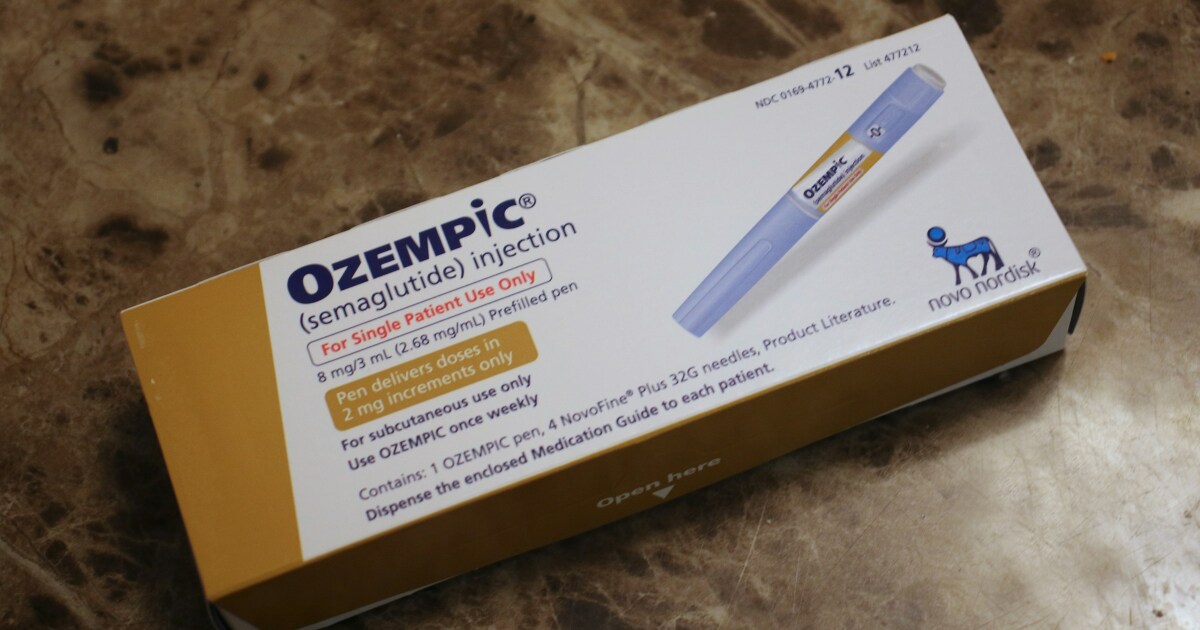
A University of Kansas Medical Center doctor said interest in GLP-1 medication, like Ozempic, has grown since Medicare expanded covered treatments. As of July 1, the Medicare GLP-1 Bridge program will allow doctors to prescribe the drugs for weight management
More Medicare recipients are now eligible to get coverage for GLP-1 medications, like Ozempic, for weight loss under a new Bridge pilot program
As of July 1, patients only have to pay a $50 copay that does not count towards their deductible, out-of-pocket, or cost-sharing assistance
“Nationally, they’re seeing that prescriptions have really, really increased when this opportunity began,” said Dr. Sarah Stolte, an assistant professor of internal medicine and division director of obesity medicine at the University of Kansas Medical Center
GLP-1s have been on the market to help manage Type 2 diabetes since the early 2000s. In the last decade, the drugs have skyrocketed in popularity for their weight loss properties
But prior to the program, GLP-1 (Glucagon-like peptide-1) medications were not approved for weight loss under the Medicare Part D plan without the presence of a comorbidity, such as Type 2 diabetes or sleep apnea. (Patients with a comorbidity currently being treated, will not qualify for the Bridge program.)
“They are incredibly successful when it comes to weight reduction,” Stolte said. “Almost all individuals will see at least 5% total body weight reduction on these types of medications.”
Stolte said the medication helps the body absorb and store insulin, slows the movement of food through a person’s gastrointestinal (GI) tract, and reduces food noise
More than 40% of adults in the U.S. are obese, according to the CDC’s National Center for Health Statistics
With the rise of GLP-1 drugs, Stolte said there has been a national improvement in obesity levels, but it doesn’t fix the problem
“This is not correcting obesity,” Stolte said. “This is managing obesity, just like any other chronic disease.”
- Dr. Sarah Stolte, assistant professor of Internal Medicine and division director of obesity medicine at the University of Kansas Medical Center and advisor to the Kansas Center for Metabolism and Obesity Research COBRE
