


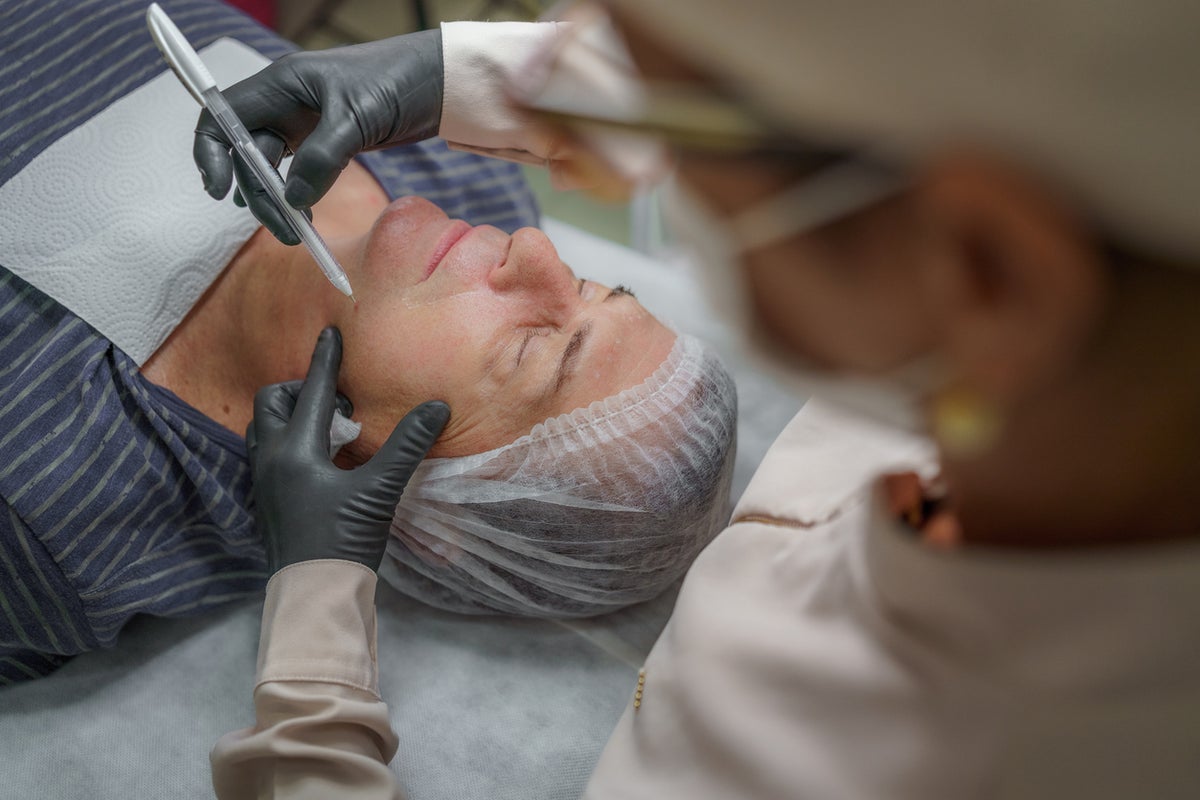
An increasing number of men across the United States are turning to cosmetic interventions to address loose skin, thinning hair, and dental concerns following significant weight loss driven by popular obesity drugs, according to patients and practitioners
Mark C., a 57-year-old from Hoboken, New Jersey, spent five years taking weight-loss treatments—initially Novo Nordisk’s Wegovy, followed by Eli Lilly’s Zepbound. Although he successfully shed 50 pounds (23 kg), he noticed a loss of fullness in his facial features as he dropped the weight
“I was looking at myself and I was feeling really good. I’m thinner and I feel like who I am, but I would look in the mirror and I was like, I lost volume in my face,” the tech professional told Reuters, asking that his last name be omitted to maintain privacy
In April, Mark chose to undergo a deep-plane facelift, a surgical procedure designed to adjust and reposition deep facial muscle and fat
Interviews with six male patients and a dozen cosmetic surgeons indicate that GLP-1 medications, social media influences, and shifting perceptions around masculinity are directing more men toward aesthetic procedures
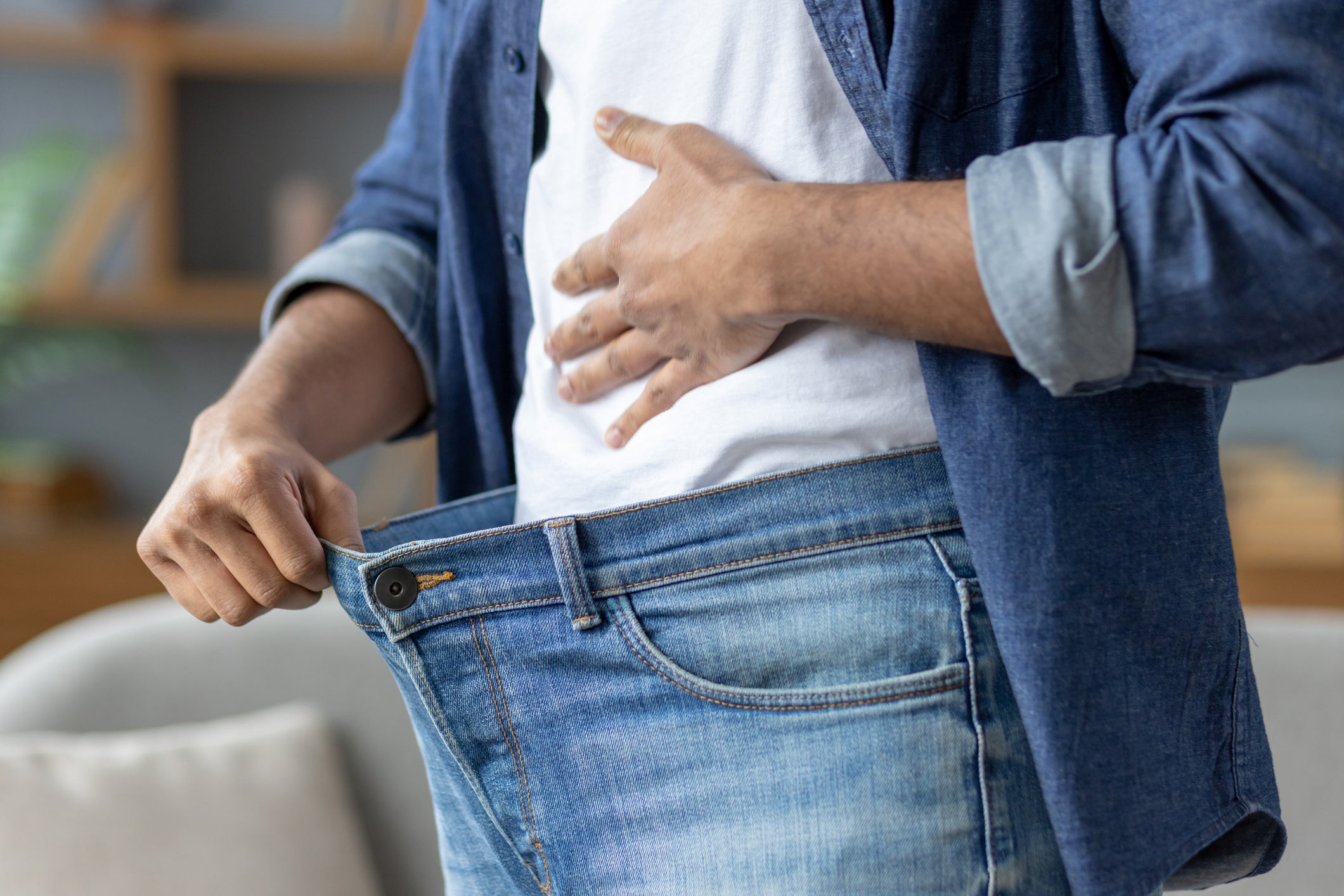
This trend reflects a broader evolution in male attitudes toward cosmetic work, altering patient demographics and creating commercial opportunities for companies offering treatments for the side effects of rapid weight loss
“I’ve seen probably a doubling in the number of male patients that I treat over the last one to two years,” said Sean Alemi, Mark’s doctor and a New York-based facial plastic surgeon. Dr. Alemi explained that most of his male clients seek treatment following substantial weight reduction, primarily linked to GLP-1 medications
While women still make up the overwhelming majority of cosmetic patients, male demand has risen steadily in recent years. Figures from the American Society of Plastic Surgeons show that men underwent 1.7 million cosmetic procedures in 2024, spanning both surgical operations and minimally invasive options like Botox injections and laser skin resurfacing—a 2.7% increase from the prior year
Surgeries accounted for over 98,000 of those procedures, with tummy tucks, liposuction, and eyelid surgery among the most common
Doctors expect demand to keep growing as additional weight-loss medications, including new oral pill versions, reach the market. In the first quarter of 2026, nearly 70% of men undergoing surgical procedures had a history of GLP-1 use president of the American Society of Plastic Surgeons
Surgeons note that younger men frequently seek procedures to remove loose skin and enhance an athletic appearance, while older men focus primarily on addressing signs of aging in the face and neck
“I wanted to feel great about myself”
Men accounted for 28.3% of weight-loss drug prescriptions filled in 2026, up from 18.3% four years earlier
“A man who may never previously have contemplated plastic surgery loses 50 or 80 pounds, starts lifting weights, changes his wardrobe, and becomes much more conscious of the disconnect between the healthier person he has become and the residual anatomy left behind by his former weight,” said Miami-based plastic surgeon Dr. Rian Maercks. He said that about 60% of his patients are male, compared with 30% to 40% last year
After reaching a weight-loss plateau with exercise alone, Walter Barrientos, 45, of Lancaster, California, joined a clinical trial for Eli Lilly’s experimental drug retatrutide in November. He has lost 65 pounds overall and currently weighs 197 pounds
“I want to be able to go out to the beach, to the pools, and be able to take off my shirt and feel more confident about myself,” said Barrientos, a truck driver. “I wanted to feel great about myself.”
He had tummy tuck surgery, liposuction of the abdomen, flanks and chest among other procedures in July. Dental implants are next on his list
Barrientos’ Beverly Hills-based plastic surgeon, Dr. Michael Omidi, said his approach begins with understanding the specific concern that brings a patient in for a consultation
“When a patient wants to have surgery, I think the rule is it should bother you every day, then you can make that change,” he said
Kandace Kichler, a surgeon at AirSculpt, which offers procedures to reshape areas of the body, estimated that men account for 20% or more of its clients, up from 10% or less previously
Mohammad Warrad, 27, had surgery with AirSculpt six months ago. The New York-based business owner felt his midsection was disproportionate to the rest of his body after using GLP-1 drugs
“I had a skinny-fat body,” Warrad said. “If the top part of my body was a medium (size of clothing), I had to wear an X-large just to kind of make everything look uniform,” he said
Costly procedures
Aesthetic procedures cost thousands of dollars and are typically not covered by insurance
The average surgeon fee for male breast reduction ranges from $5,000 to $9,000, and up to $19,000 for facelifts, according to the American Society of Plastic Surgeons. The final fee is often more, including anesthesia, operating room facilities or other related expenses
Still, patients said these procedures made them feel like their best selves
“I do think it’s worth it… when they presented me with how much this was going to cost, I got sticker shock for sure. Looking back on it, I haven’t had any regrets,” said Mark
New areas of investment
In addition to sagging skin, patients may also experience a temporary form of hair loss triggered by the physiological stress of rapid weight loss, said Dr. Delila Foulad, a dermatologist at UCLA Health
Doctors use platelet-rich plasma injections or medical therapies such as minoxidil, and in some cases unapproved peptides, to address patients’ hair-related concerns
Companies such as Pelage, Veradermics and Cosmo N.V are developing new treatments for hair loss. A group led by Eli Lilly in June invested $100 million in Absci ABSI.O to fund work on an antibody to address hair loss
“A man who used GLP-1 to look better, to lose weight, is also very interested in having his hair in good condition,” said Giovanni Di Napoli, CEO of Cosmo
