


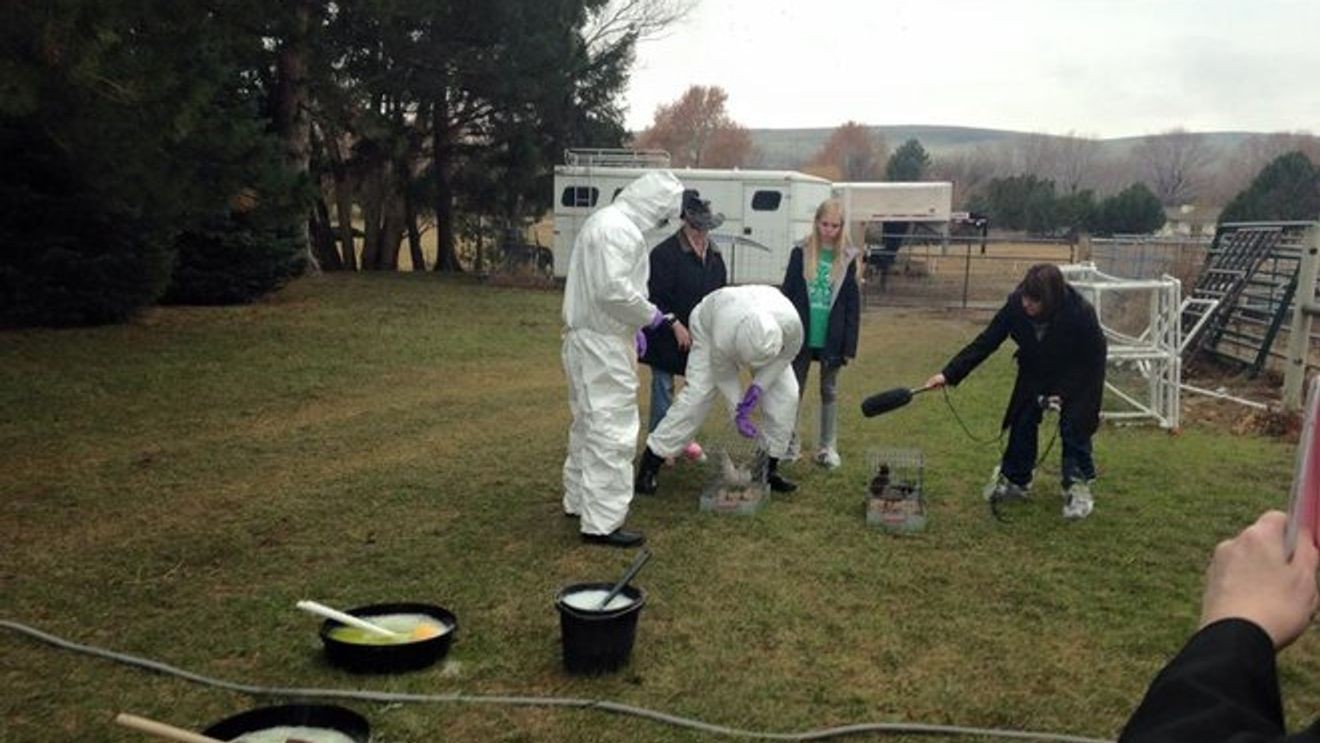
Michigan farmers facing new rules to prevent and contain disease outbreaks like bird flu
Fri, July 31, 2026 at 7:05 AM
UpdatedSat, August 1, 2026 at 10:14 AM

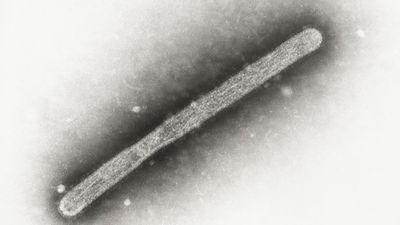 7VIEW ALL PHOTOS
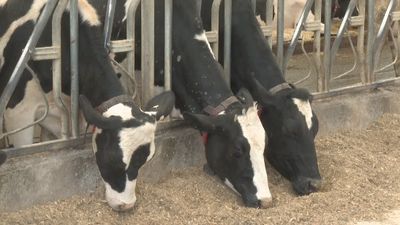
2024 FILE: Many Michigan scientists said they were surprised when the virus, which is common in wild birds, was discovered in dairy cattle, poultry, and even people. (WWMT)
LANSING, Mich. —The emergency biosecurity mandates that swept Michigan farms during the 2024 ad into state agricultural guidelines
The Michigan Department of Agriculture and Rural Development (MDARD) is currently reviewing its annual edits to the Generally Accepted Agricultural and Management Practices, commonly known as GAAMPs, and Generally Accepted Processing Practices (GAPPs)
This year’s draft includes a variety of best-practice updates, including recommending farmers implement and document biosecurity measures, to prevent the spread of diseases
According to an officials from MDARD and MSU Extension, it is ideal for commercial farms of any size to have both a daily safety protocol and to establish reliable emergency response strategies, in case of abnormal outbreaks
Draft 2027 GAAMPs summary of proposed changesPDF preview
View PDF
- Previous Coverage: Michigan farms help USDA in research of bird flu outbreak spreading to cattle and humans
State-issued emergency orders in 2024 required commercial dairy and poultry operations to immediately increase biosecurity to combat bird flu
Many farmers were left scrambling to implement new protocol
Agricultural officials say emergency actions are necessary to contain the spread of disease, but daily biosecurity measures play an important role in prevention
Among the recommendations drafted in this year’s GAAMPs, they are suggesting farmers formalize, on paper, their own approach to daily and emergency biosecurity
Between COVID-19 and bird flu to recent cyclophorias cases, many have come to realize the importance of preventing and responding to widespread disease outbreaks
That’s something MDARD says the state is focused on, too
While MDARD does have authority to address emergency situations, however, the GAAMPs or GAPPs are intended to serve a more general purpose, and are not specific to any outbreak or disease
Moreover, they are simply suggestions
MDARD’S GAAMPs and GAPPs coordinator, Kyle McCarty, points out that these updates are aimed at promoting best practices and prevent public nuisance, as part of an effort to promote a positive image of agriculture in Michigan
An MSU Extension spokesperson said these measures prepare the state, not just for known viruses, but for diseases the industry has yet to encounter
Because modern fooducial to pinpointing the origin of an outbreak before it spreads
The updated guidelines encourage farmers to maintain baseline daily biosecurity protocols, including fences and barriers, alongside a heightened security plan that can be enacted immediately if an outbreak occurs, such as changing boots and clothing before and after leaving secure areas of their farms and restricting visitors
“They’re voluntary practices that operations of any size could be implementing,” McCarty said
- More news in West Michigan: What a psychologist wants you to know about the Grand Haven family murder-suicide
Because writing a biosecurity plan from scratch can be overwhelming, the GAAMPs committee drafted ‘Appendix A’ to serve as a template that farm operators can use to start building their own plan, officials said
It is divided into key action areas:
- Designation of a Biosecurity Manager: The plan requires the farm to explicitly name the individual (often the owner or herd manager) who is responsible for developing, implementing, and enforcing the biosecurity protocols.
- Line of Separation (LOS):This requires defining a clear physical or imaginary line that separates the “clean” areas of the farm (where the animals are) from the “dirty” areas (outside world). It asks how the farm plans to enforce this (e.g., gates, signage, locked doors) and how workers transition across this line.
- Personnel and Visitor Protocols:Sign-in logs for keeping track of who enters the facility; disposable boot covers, footbaths, or dedicated clothing for farm; Downtime requirements for workers who have been exposed to other farm animals.
- Animal Movement and Isolation:Protocols for quarantining new animals for a set period (usually 14-30 days) before introducing them to the group.
- Dead Stock Management: Procedures for disposing of deceased animals in a way that prevents scavengers and disease spread.
- Equipment and Vehicles: Guidelines for cleaning and disinfecting shared equipment before use, especially if they are borrowed from a neighboring farm.
- Wildlife, Rodent, and Pest Control:Securing feed bins from wild birds, cleaning spills, and managing standing water.
Beyond biosecurity on farms, the proposed GAAMPs draft proposes several other updates, such as new spacing between honeybee colonies and recommendations for greenhouses, to prevent potential complaints around noise or light pollution
State officials are actively seeking feedback on the new recommendations to determine how they will affect farmers
Residents and farmers are encouraged to review the draft and provide input before the public comment period closes at the end of August
The announcement from MDARD said public input can be submitted in multiple ways, including:
- Email: MDARD-RTF@michigan.gov
- Website: Submit comments on the GAAMPs and/or on the GAPPs
- U.S. Mail: Send written comments to the MDARD Right to Farm Program, P.O. Box 30017, Lansing, MI 48909
- Public Meeting: A virtual public meeting is scheduled for August 27, 2026, at 1 p.m. ET | Link to join the virtual meeting
MDARD will forward all public input received by August 30 deadline, and the respective advisory committees will share their recommendations at the regularly scheduled Michigan Commission of Agriculture and Rural Development meeting on September 9, 2026
