


|
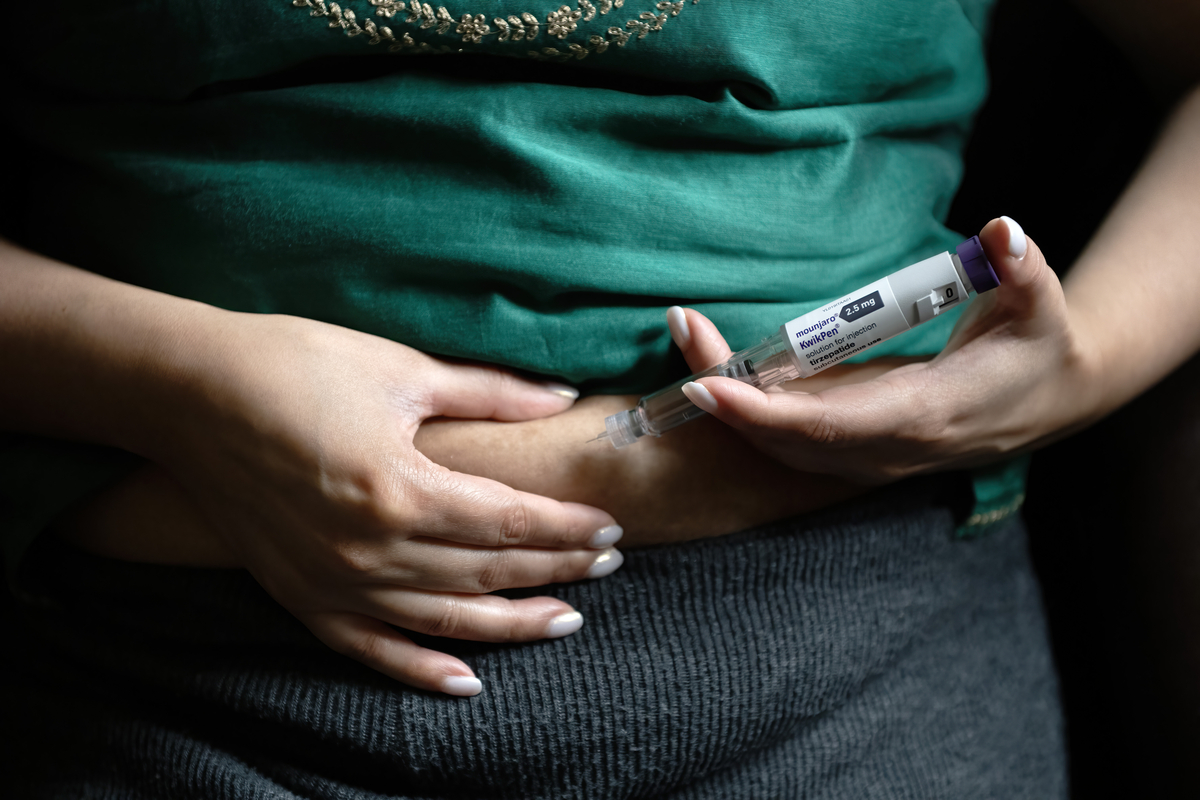
Mounjaro, which has been leading the global boom in obesity treatments, improves fatty liver but does not sufficiently reverse inflammation and fibrosis in fat tissue, according to a new study
Soonchunhyang University Seoul Hospital said on the 4th that a joint research team led by Professor Seo Mi-hye of the Division of Endocrinology and Metabolism and Professor Cho Kye-won of the Soonchunhyang Institute of Medi-Bio Science (SIMS) reached this conclusion after administering tirzepatide for 25 days to mice made obese through a high-fat diet, then comparing inflammation and fibrosis changes in fat tissue with those in liver tissue through tissue staining, gene expression analysis and flow cytometry.
Tirzepatide is the main ingredient in Mounjaro, an obesity and diabetes treatment developed by U.S. pharmaceutical company Eli Lilly. It simultaneously stimulates glucagon-like peptide-1 (GLP-1) and glucose-dependent insulinotropic polypeptide (GIP) receptors, giving it stronger weight-loss efficacy than Novo Nordisk’s Wegovy
According to the analysis, obese mice treated with tirzepatide showed significant reductions in body weight and body fat, along with increased energy expenditure. Their hyperglycemia and impaired glucose tolerance also improved to normal levels, reconfirming the previously known effects of suppressing obesity and diabetes. However, even after weight loss, immune cell infiltration and collagen accumulation continued in the fat tissue, and the activation of fibrosis-related signaling pathways was also maintained. In additional experiments, there was no difference even when the weight of severely obese mice was reduced by more than 20%. Interestingly, under the same conditions, inflammation and fibrosis in the liver tissue improved markedly. This suggests that the response to a specific drug can vary depending on the tissue.
The research team found the cause of the difference in drug response in the macrophages residing in each tissue. Macrophages in the liver responded to tirzepatide with reduced inflammation, whereas macrophages residing in fat tissue, activated by chronic metabolic stress, showed a weaker response to the drug. The team interprets that this difference may have been involved in the persistence of inflammation in the fat tissue. However, there is a limitation in that the observation was made on mice rather than humans over a relatively short period.
“Tirzepatide is a drug that effectively improves weight and blood sugar, but we confirmed that inflammation and fibrosis in fat tissue are not sufficiently resolved by weight loss alone,” Professor Seo Mi-hye said. “Further research is needed on what changes occur in tissue remodeling, including inflammation and fibrosis of fat tissue, with long-term administration.”
The study’s findings were recently published in the online edition of “Endocrinology and Metabolism,” an international journal of the Korean Endocrine Society

#Mounjaro#Tirzepatide#ObesityTreatment#WeightLoss#GLP1#FattyLiver#MedicalResearch
Original reporting by Ahn Kyung-jin, Medical Correspondent for Seoul Economic Daily
AI-translated from Korean. Quotes from foreignxact original wording
View Korean originalTranslation Policy
More →
Most Read This Week
1-5
- 1Wall Street Rushes to Issue Margin Calls as AI Stocks Plunge
- 2Breaking News: Samsung DX Division Posts First-Ever Loss, 0.8 Trillion Won in Q2
- 3Typhoon Dolphin Heads North Toward Japan After Magnitude 7.1 Quake
- 4Korea Chip Stocks Plunge as China Fears Grip Market
- 575% of Leverage Positions Liquidated as ‘Samchunix’ Bets Trigger 56 Trillion Won Loss
← Back to Home
