


National Nutrition Week 2026: 5 Habits That Teach Kids The Art Of Mindful Eating

ClearSee all results for””
Add to Community
- Create Post
- Create Biteclub
- View Drafts
X
Add to Community
- Create Post
- Create Biteclub
- View Drafts
Copy
National Nutrition Week 2026: 5 Habits That Teach Kids The Art Of Mindful Eating
ByKaushiki GangullyUpdated:Aug 30, 2026
If your child is glued to their screens or does not eat certain foods, then act now. This National Nutrition Week 2026, introduce your kids to useful mindful eating habits that can forge their path to a nutritious future
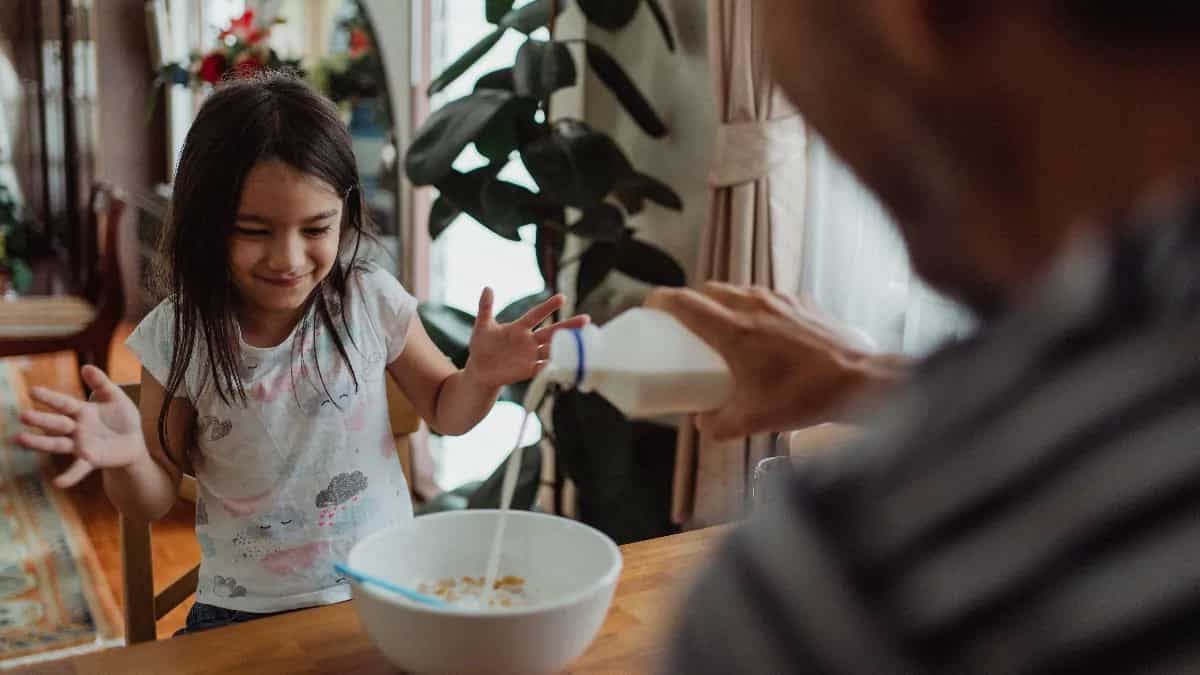
Image Credit: Image credit: Pexels
September brings with it a familiar rhythm in India: students are facing their half-yearly exams, eager to get them over with; festivals are appearing on the calendar, and conversations about food become a little more deliberate and focused. Especially at the beginning of September, as India celebrates National Nutrition Week, an annual observance used to increase awareness about nutrition and its relationship with your overall health and wellbeing. This particular initiative was launched by the Food and Nutrition Board in 1982.
In 2026, National Nutrition Week runs from Tuesday, September 1 to Monday, September 7. For families, this can be a useful opportunity to look beyond simply asking children to eat more vegetables or finish what is on their plate. The more lasting lesson may be helping them understand how to eat well and develop a healthy relationship with food. This is where mindful eating comes in
What Does Mindful Eating Mean For Children?
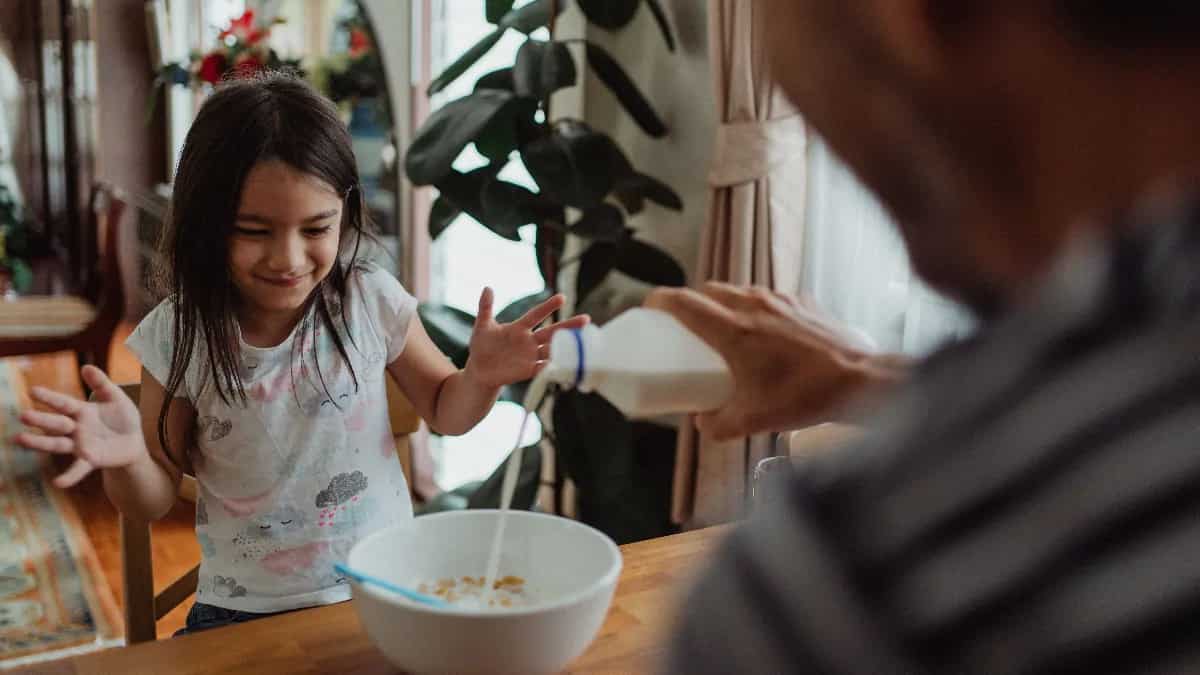
Mindful eating can sound like a rather serious adult concept, but the basic idea is surprisingly simple: helping children pay attention to their food, their surroundings, and their own hunger and fullness signals, instead of simply eating on autopilot mode, with little care for taste and satiety.
It obviously does not mean asking a seven-year-old to sit silently and meditate over a bowl of dal. However, it can mean turning the television off during dinner, thereby allowing a child to notice that the mango he or she is eating is juicy and fibrous, or giving them enough time to decide whether they want another roti.
This overlaps with the principle of responsive feeding, which emphasises recognising children’s hunger and satiety cues, feeding patiently and avoiding force or overfeeding. The World Health Organisation, or WHO, also recommends minimising distractions and making mealtimes opportunities for learning and connection for children.
And in the Indian context, these lessons are not going to be complicated. The trick is to make children curious about food rather than feel anxious about the entire thing
5 Ways To Develop Mindful Eating In Children Without Making It Boring
Stop Making ‘Clean Plate’ The Goal
Most Indian parents try to coax and teach their children not to waste food, to finish their plate and eat adequately. While avoiding food wastage is good and children should develop gratitude for the nourishment they receive, there needs to be a balance. A child who is already full may not benefit from being persuaded to take another five bites of food. So, serve reasonable food portions instead, and let your child ask for more. This also allows them to practise recognising their own appetite and hunger cues.
Image credit: Pexels
WHO’s responsive feeding guidelines specifically recommend recognising these satiety and fullness cues and encouraging children to eat without forcing them. This does not mean letting a child survive entirely on biscuits or noodles because they rejected dinner. It means you need to start separating and balancing between what they need to eat to be nourished and what they must finish off their plate.
Also read: 5 Tips To Create A Healthy, Mindful Eating Environment
Make The Meal A Screen-Free Zone
The phone has become an extremely efficient feeding assistant for infants, but a secretly sinister one. You put on a cartoon or a truck video, place the dinner plate in front of your child and, suddenly, the entire food disappears. While it may seem efficient to you that the nourishment is going into their body, the reality is different. If your child does not even look at what they are eating, how will their digestive system recognise and understand how to assimilate it?
So, start by establishing at least one screen-free meal every day. It could be breakfast before school, dinner with the family, or even Sunday lunch when everyone has more time to devote to meals and one another. Do not tolerate tantrums; redirect them instead. Without a screen competing for attention, children start noticing simple things.

Image credit: Pexels
For example, let them touch and experience their food while observing things such as whether the dal is too hot, whether the cucumber is crunchy, or if they prefer chapati to rice with a particular curry, or if they are actually still hungry for more. And no, parents do not get a free pass. If the child has to put away the tablet, the adults should set an example and put away their phones, too. That also includes all and any moody teens at home
Let Children Explore Food Without Turning Every Bite Into A Lesson
Children hear versions of these statements constantly. Nutrition education is important, but every meal does not need to become a classroom lecture. If you like teaching children informative titbits every day, then that is a very good habit, especially when interspersed throughout the day. But do exert restraint and not overdo the experience. Every bite of food they take should not be followed by;
“Spinach is good for you.”
“Carrots make your eyesight better.”
“Milk makes your bones strong.”
“Eat fish, it has endless health benefits.”
While a few new ones are interesting to learn for them every now and then, stuffing every meal with tens of them will make it tedious. Children hear various versions of these statements every day, be it from parents, teachers, or various other grown-ups in their lives. While nutrition education is important, every meal does not have to become a classroom lecture.
Instead, start with little children by encouraging sensory curiosity. Ask: Is the bhindi crispy or soft? Does the dal taste different when you add lemon? Which mango is sweeter? Is the dosa crunchy around the edges? This is particularly useful in the Indian context because everyday meals offer so many textures, aromas, flavours and ingredients.
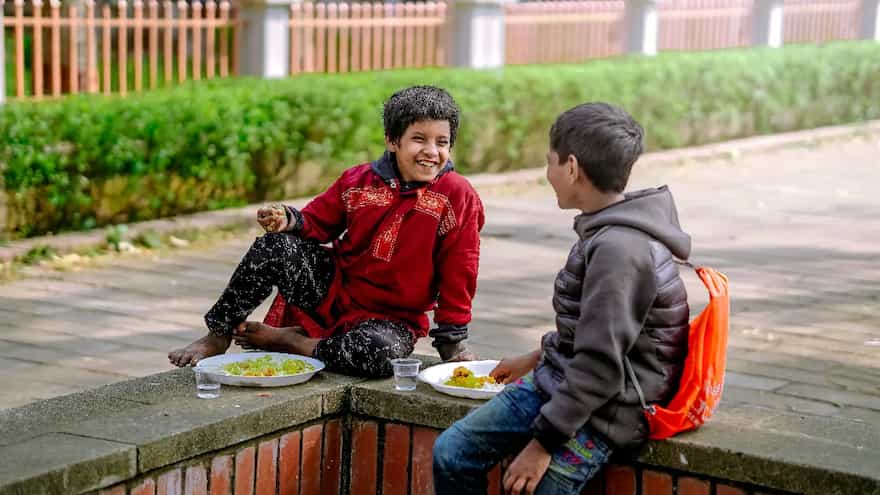
Image credit: Pexels
Research on school-based nutrition education has found that experiential approaches can be particularly useful in influencing children’s food consumption, food preferences and nutrition knowledge. So let your children explore food by dismantling a homemade burger, tearing up the lettuce in a salad, squeezing a lemon into their curry, mixing roti with raita, or artistically arranging their fruit on a plate. They are learning about food without feeling as though they have been handed homework
Take Children Shopping For Food
The vegetable market can be an excellent nutrition classroom, particularly when children are allowed to participate rather than simply being dragged around behind a parent. For example, give your kids a mini shopping list for their own dessert or evening snack, and supervise them as they do their own shopping. At the local sabzi bazaar, point out seasonal produce and how to pick the right ones, teach them the glorious Indian art of haggling, along with the secret trick to pick the freshest brinjals.
As they slowly pick up things and info, ask them to identify coriander, methi or curry leaves. At a fruit shop, discuss which fruits are currently plentiful and in season. This can be adapted to supermarkets, too, though the local essence is lost. The objective is not to teach children how to count calories or scrutinise every label. It is to help them understand where food comes from and how much variety exists before it reaches their plate
Also read: Mindful Eating Vs Intuitive Eating How They Differ
Cook One Thing Together Every Week
You do not need to turn Sunday into a three-hour cooking project. Choose one manageable recipe and get the wheels rolling. Or, perhaps your child can help you make vegetable pulao, knead dough for parathas, assemble a colourful chaat station, whisk curd for raita, or just help roll date-and-nut laddoos. Older children can graduate to chopping with appropriate supervision and executing more complicated recipes

Image credit: Pexels
Cooking teaches something that nutrition charts cannot alone: the fact that food takes time, ingredients have different smells and textures, and a meal does not magically appear on the table. It requires effort, knowledge, expertise, familiarity, and confidence, all of which do not appear in a day. It takes time to develop naturally, but forms a lifelong healthy habit cum hobby
For younger children, this approach can also make unfamiliar foods appear less intimidating. Plus, you get to say, “We made this together. Shall we taste it?” instead of, “You have to eat this vegetable because it is healthy.” This tiny change in the language of your approach can make the experience feel collaborative rather than coercive or educational.
Looking for more slurrpystories?
Subscribe to our newsletters now and get them delivered into your mailbox daily
or Read our newslettershere
