


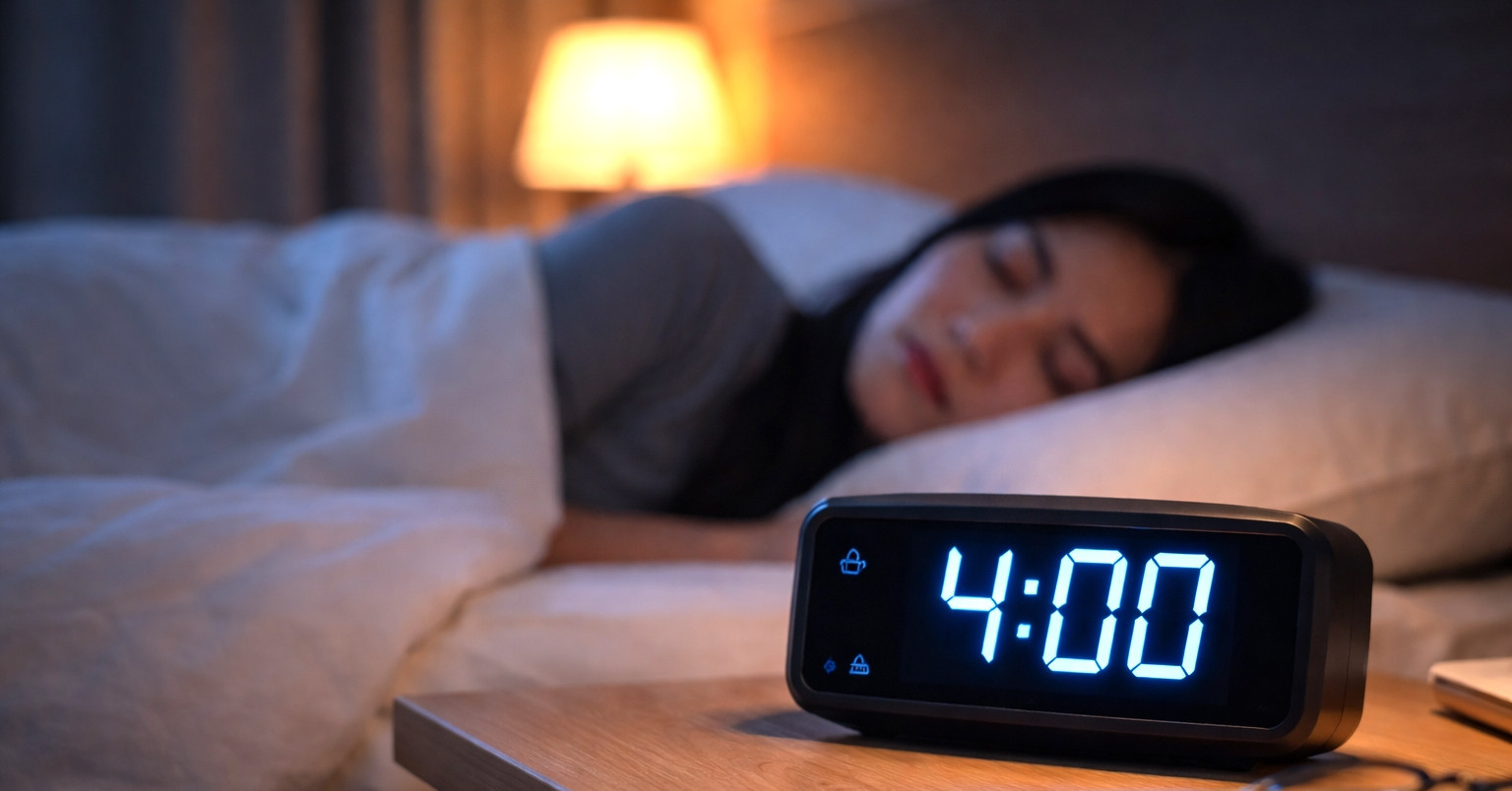
More than 4 million Vietnamese people over the age of 30 are estimated to have OSA, including more than 2.3 million with moderate to severe forms of the disorder, putting Vietnam among countries with a high prevalence
He emphasized that OSA is not limited to adults. The condition also occurs in children, with prevalence ranging from 0.4% to 9.5%
It is particularly common among people already living with chronic medical conditions and can have serious effects on the nervous and cardiovascular systems, as well as endocrine and metabolic functions
Assessing the current state of treatment, Assoc. Prof. Pham Thai Giang, deputy director of the 108 Military Central Hospital, said OSA is relatively common, but diagnosing and treating the condition continues to present considerable challenges
“The condition not only seriously reduces quality of life but can also have numerous long-term consequences for health,” Giang said. “To address it, patients need a comprehensive assessment of respiratory function and an individualized treatment strategy.”
OSA can present with a wide variety of symptoms that are easily confused with those of other conditions
This is particularly true among older adults, in whom signs such as snoring and daytime sleepiness may be less pronounced than in younger people
Giang therefore said treatment strategies need to be tailored to each patient’s age and coexisting conditions, including cardiovascular, metabolic and respiratory diseases, ear, nose and throat disorders, and insomnia
Measures to improve sleep and early screening are particularly important for protecting long-term health, he added
Alongside specialist medical treatment when needed, sleep medicine experts recommend developing healthy “sleep hygiene” habits to help protect overall health
Maintain a consistent body clock: Go to bed and wake up at the same time every day, including weekends. Avoid long daytime naps. Naps should ideally last only 20-30 minutes and take place before 3pm to minimize disruption to nighttime sleep
Manage light exposure and electronic devices: Stop using smartphones, computers and televisions at least 60 minutes before bedtime, as blue light can suppress the production of melatonin, a hormone involved in regulating sleep. Greater exposure to natural daylight during the day can help reinforce the body’s internal clock
Optimize the bedroom environment: Keep the bedroom dark, quiet and comfortably cool, ideally around 24-26 degrees Celsius, and choose a mattress and pillow that provide suitable support
Avoid caffeine after 2pm and alcohol in the evening: Avoid large meals and spicy or high-fat foods close to bedtime
Exercise regularly during the day: Regular physical activity is encouraged, but high-intensity exercise should be avoided within three to four hours of bedtime
Wind down mentally before bed: A warm bath or foot soak, reading a printed book, listening to gentle music, meditation and deep-breathing exercises can help the body and mind relax before sleep
N. Huyen
