


Lead
New Research Says Your Gut Helps Form Key Memories. Only 1 Type of Food Activates the Signal
Researchers at the University of Southern California recently discovered why so many memories are made during mealtime
Aug 5, 2026
Photo: Getty Images
Listen to this ArticleMore info
0:00 / 0:00
A new study suggests that your gut may play a larger role in your memory than researchers previously understood
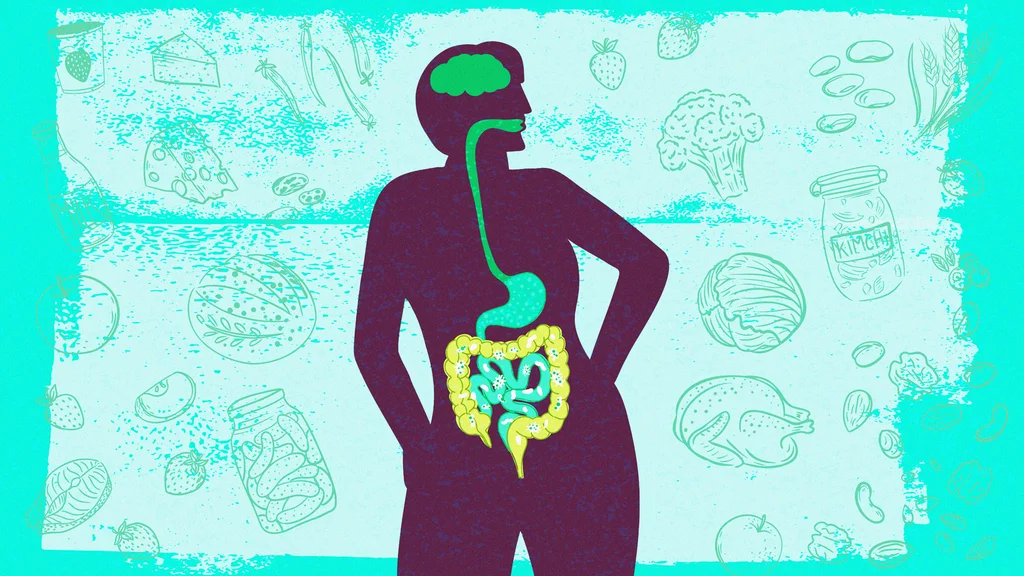
Scientists from the University of Southern California found that signals traveling from the stomach to the brain may be part of the reason why lasting memories are made during mealtimes
The study, which was published in the peer-reviewed journal Nature Communications, found that rats showed stronger memory activity after eating. But, notably, this was seen after the animals consumed nutritious foods—not sweet liquids low in nutritional value.
When the scientists blocked the vagus nerve—the cranial nerve that controls heart rate, digestion, and mood—this effect was reversed, and the mice had a harder time remembering where the food was located.
Featured Video
An Inc.com Featured Presentation
For Léa Décarie-Spain, a postdoctoral scholar at USC Dornsife and a co-author of the study, the broader lesson is about how ordinary habits shape the mind.
“There is a strong connection between the food we consume, digestive processes, and cognitive function,” she told Inc. “This highlights how daily actions like consuming food can have a profound impact on how we experience life.”
How the gut contributes to memory formation
The findings indicate that the gut participates in memory formation particularly when the experience involves both finding and consuming food
