


New UMMC pathway aims to give medical students holistic view of community health
by
Elise Catrion Gregg•Published on
August 19, 2026
News
A program at the University of Mississippi Medical Center is putting students on track to earn degrees in medicine and public health, covering both individuals and the factors that affect community well-being

New UMMC pathway aims to give medical students holistic view of community health
00:0000:00
100%
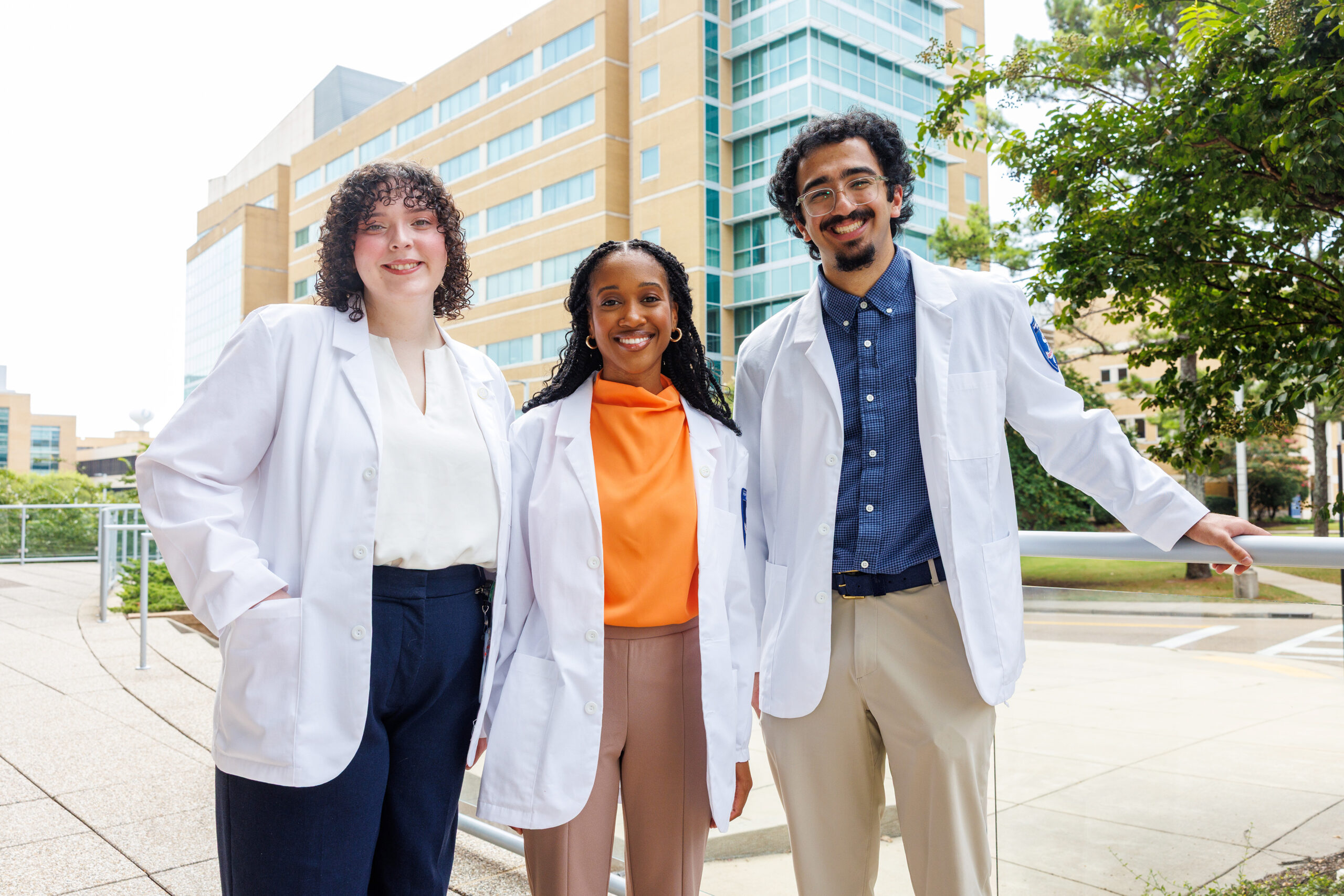
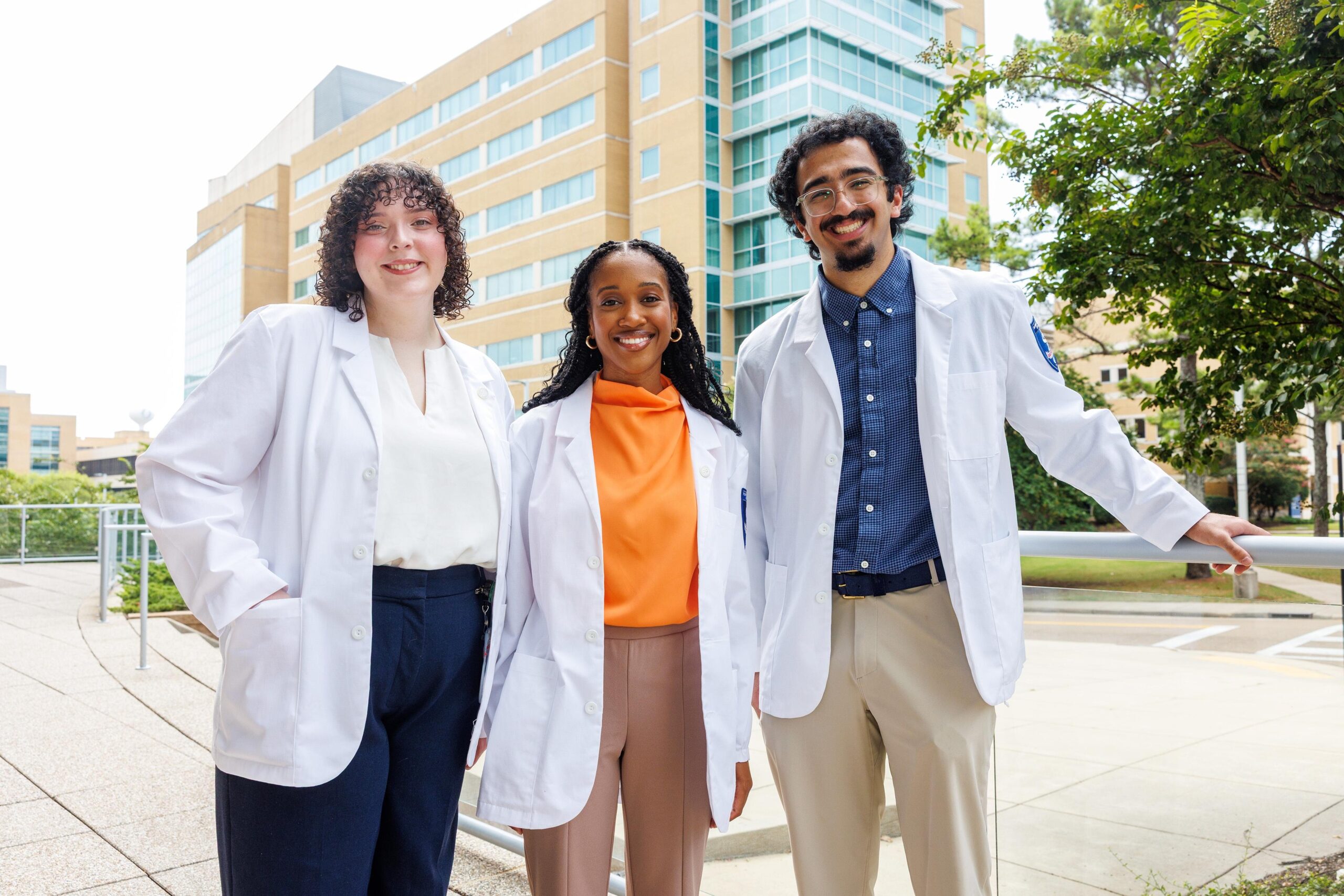
UMMC’s MD to Master’s in Public Health pathway allows medical students to simultaneously complete their MD and MHP, studying things like qualitative research, public health policy and how to work within healthcare systems beyond caring for individual patients.
“There’s so many important things that go beyond the biology and the pharmacology,” said Dr. Thomas Dobbs, dean of UMMC’s John D. Bower School of Population Health. “Physicians, as natural leaders, have a real role not only in individual health, but also in community health.”
When Dobbs was doing his own residency after finishing medical school at the University of Alabama at Birmingham, he realized that there were still a lot of skills he wanted to learn as a medical professional. So, he earned his MHP from UAB.
Dobbs said that MD-MHP programs are common among medical centers and the curriculum is key for understanding the social context of how to help improve health beyond individual patients.
“If we’re going to improve the health of Mississippi, we’ve got to think beyond pills: we’ve got think beyond surgeries, beyond hospitals,” Dobbs said. “Those are critically important, no doubt. But we need to train our healthcare workforce to understand the complex situations that really drive health outcomes.”
Rohinton Dossabhoy is part of the program’s inaugural cohort. He and around a dozen students just completed a summer certificate program in population health science before they start the master’s degree program in the fall. The courses include topics like epidemiology, qualitative research and public health.
Dossabhoy said studying syphilis in Mississippi as an undergraduate student convinced him that studying environmental and community influences were critical to caring for individuals.
“Factors such as socioeconomic level and education influenced the county by county differences in syphilis rates and congenital syphilis rates, too,” said Dossabhoy. “I first then thought of stuff beyond the patient…stuff like how someone grew up and I really started paying attention to that more.”
For Dossabhoy, being part of the inaugural cohort is a chance for him — and his peers — to make a difference as young physicians.
“I want the people in my cohort and in future cohorts to think about the big picture lens,” Dossabhoy said. “Public health isn’t focused on the individual tree: it’s focused on the whole forest.”
“We can inspire doctors and inspire anyone in the healthcare system to look at the big forest and to look at where can we improve, what can we change, and how can we do it.”
Dobbs said they hope to add around 20 more students for next year. And, he hopes that with each new group of students going through the program, there comes a network of physicians that can build a public health safety net for Mississippi.
“What I want to see is a network of public health-minded physicians that organically — and maybe sometimes even in an organized manner — that just organically are interconnected such that we can amplify the skills that are available to be a really an informed voice that can inform policy,” said Dobbs.
