


Travel professionals work hard to make sure their trains, planes and cruise ships operate on time, without interruption. Usually, those efforts are focused on the engine room and making sure people are well-trained in how to run the machinery
The COVID pandemic changed that, adding a big dose of attention to the health and well-being of travelers
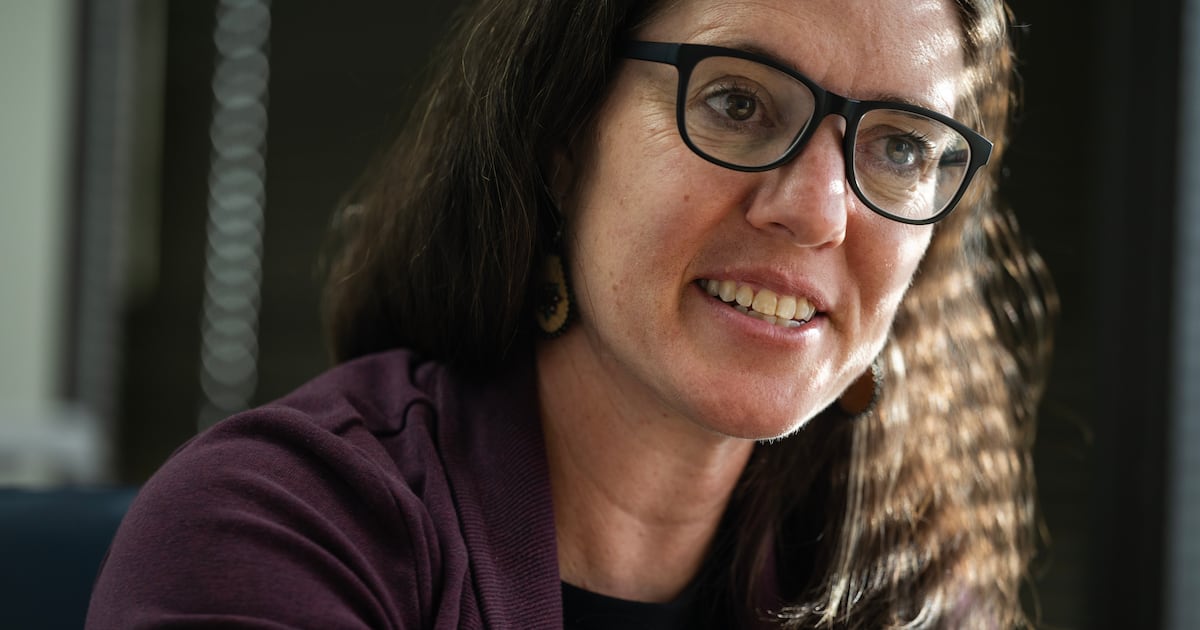
Dr. Anne Zink was Alaska’s chief medical officer during the COVID-19 era. She spearheaded a crash course in public health emergencies for Alaskans — and it hit travelers hard
While that particular crisis is mostly behind us, new health-related issues are causing travelers to pay attention to how and where they travel
The health-related concerns come on top of other travel interruptions. Those include periodic wartime flight cancellations in the Persian Gulf and wildfires which impact both air quality and low visibility for flight operations
“There are a lot of things to be fearful of and that can be debilitating,” Zink said
After leaving her position with the state of Alaska, Dr. Zink returned to her “regular” job as an emergency room physician in the Matanuska Valley. As such, she’s reminded that accidents can happen anywhere — not just when you’re traveling
The most recent health scare that’s making headlines is the cyclospora parasite, which was passed along in lettuce
There are lots of things that individuals can do to mitigate the risk of foodborne parasites
“Don’t buy shredded lettuce,” cautioned Dr. Zink. “Local farms and farmers markets are great.”
With a head of lettuce, oftentimes it’s the top layer that’s most at risk for contamination
“So wash your hands and peel that top layer off like an orange,” she said
As a public health professional, Dr. Zink pays close attention to the data regarding cyclospora
“There always are outbreaks in the spring and summer,” she said
Although there are more people coming down with symptoms this year (including “explosive diarrhea”), so far there has not been a corresponding surge in hospital admissions
For travelers, health-related concerns are just one element that can interfere or disrupt your travel plans
A host of other factors can trip up travelers, including falling on a backcountry trail, having a heart attack or a traffic accident
“I have more fear of trauma than I do of infection,” confessed Dr. Zink. “A bus wreck in India is worse than in L.A.”
At her post in the emergency room, Dr. Zink talks about the “golden hour” that first responders have to treat those wounded in an accident
That concern for quick attention during the golden hour is one reason Dr. Zink buys emergency air evacuation insurance in Alaska
Not just in Alaska, either. When she and her family climbed Aconcagua, the tallest peak in South America, she bought a similar policy. “We were traveling with the kids,” she said
Purchasing travel insurance is important. “But I taper my insurance to risk,” she said
“If I’m traveling to the Lower 48 or to Europe, I probably won’t buy insurance,” she said
Dr. Zink points to European countries and the U.S. as systems that prioritize health
“When more you’re in systems that prioritize health, the safer you are,” she said
We were seated at a window table at Vagabond Blues in Palmer. She lifted her tea up and said, “That’s why I can drink this milk without fear of tuberculosis — and it’s why you can drink the tap water.”
Here in the U.S., it’s those public health systems that helped eliminate malaria and foodborne illnesses
Before she was a physician, Dr. Zink was an adventurer — and a risk-taker
Just after college, she earned a fellowship to study the impact of tourism on culture and environment in Nepal, Antarctica and Botswana
During that year, she started in Nepal, then went to Tibet and on to Chile, Argentina and Antarctica. From there she traveled to Botswana, Namibia and South Africa
“That year abroad is what led me to medicine,” she said
That’s one reason why, in the face of many travel-related risks, she emphasizes:
“Life is meant to be lived,” she said. “Live large and do the things you want to do.”
That said, as all of us get older, there are steps you can take to help first responders
“Carry a medication list,” said Dr. Zink
There are other nuts-and-bolts moves that can help travelers stay well on the road:
1. Stay hydrated. “I get a water bottle with a straw and a filter,” said Dr. Zink. “Sometimes I’ll bring a portable filter and fill up several water bottles in the morning.”
2. Beware of the sun. “I buy a sun shirt with a hoodie to protect from the sun,” said Dr. Zink. “It’s light and I can use it as an extra layer. And remember that altitude makes a difference with the sun.”
3. Use compression socks and walk around on long flights to minimize swelling in your feet
Back in the emergency room, she sees patients who confess they wish they would have done something — but now they’re too sick to do it
“I see it all the time,” said Dr. Zink. “The regrets from not taking risks.”
Dr. Zink and her family are planning a trip to Nepal. Although she’s been there twice, the family finally will see where she started her journey to her vocation as a physician … and a traveler
