


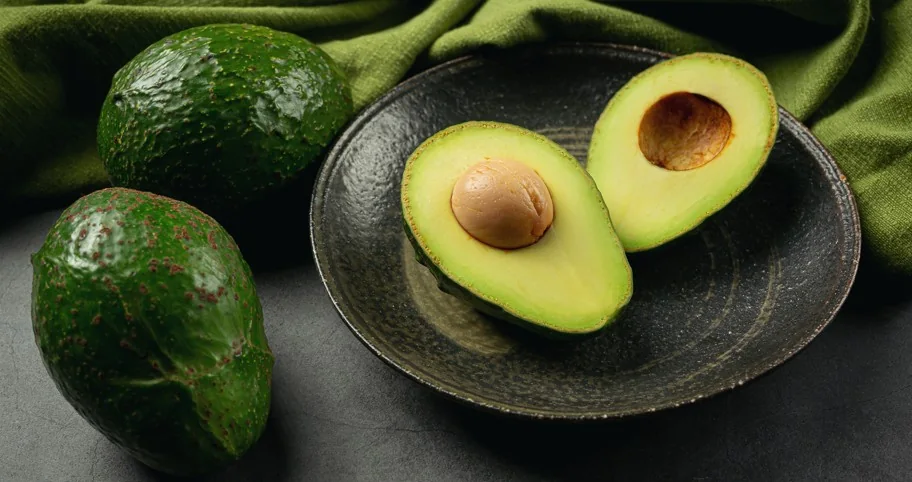
One avocado a day may help lower heart disease risk in adults with obesity, study finds
One avocado a day may help lower heart disease risk in adults with obesity, study finds
Listen to article
5 min listen
Audio reading is not supported on this browser.
Ready
Thanks for listening. Continue with a related story, or tap the speaker icon on the next page to listen
Experts warn of mineral content decline in modern diets amid intensive farming
DW News
·
2 days agoRead nextOpens a fresh page.
Researchers found that adults with obesity who ate one avocado every day had lower levels of harmful LDL particles, a change linked to a modest reduction in heart disease risk without altering the rest of their diet
Eating one avocado every day may help lower the risk of heart disease in adults with obesity, according to a Penn State University press release.
Researchers found that participants who added one avocado to their daily diet had lower levels of harmful low-density lipoprotein (LDL) particles, which are linked to heart disease. They say the findings suggest that a simple dietary change could improve heart health without requiring people to completely overhaul their eating habits.
The study, published in the Journal of Clinical Lipidology, found that eating one avocado a day reduced LDL particle levels by 49 nanomoles per litre, an improvement associated with an estimated 4 per cent reduction in heart disease risk.
More To Read
- Experts warn of mineral content decline in modern diets amid intensive farming
- Men’s testosterone levels in decline amid rising obesity, researchers warn
- Explainer: How genetics shapes obesity and why environment still matters
- New blood test may improve cholesterol checks, predict heart attack and stroke risk
- Study finds intermittent fasting helps maintain weight loss for at least a year
- WHO warns extreme heat heightens heart and lung risks, urges vigilance
LDL particles differ from LDL cholesterol, commonly known as “bad cholesterol.” These particles transport cholesterol through the bloodstream, and having too many increases the likelihood of cholesterol building up in artery walls. Over time, this build-up, known as plaque, can narrow and harden blood vessels, raising the risk of heart attacks and strokes.
Researchers explained that two people can have the same LDL cholesterol level but different heart disease risks if one has more LDL particles than the other. Smaller LDL particles are considered particularly harmful because they can more easily penetrate artery walls and contribute to plaque formation.
“If people want to improve the quality of their diet, making one small change might be a more feasible strategy than attempting to change their entire diet,” said Janhavi Damani, a postdoctoral scholar at Penn State and the study’s lead author.
Latest Stories
- Construction of Daba Airstrip begins in Tana River, boosting hopes for emergency response
- Senegal’s President Bassirou Faye takes charge of ECOWAS as bloc faces security and unity challenges
- Health unions threaten prolonged strike over Sh8.9 billion UHC workers employment plan
- 𝐄𝐚𝐬𝐭𝐥𝐞𝐢𝐠𝐡 𝐕𝐨𝐢𝐜𝐞 𝐍𝐞𝐰𝐬 – Health workers begin nationwide strike over CBA implementation
“For people with obesity, including avocados in their daily diet might be a good starting place.”
The study analysed data from 786 adults aged 25 and older who participated in the six-month Habitual Diet and Avocado Trial.
Men with a waist circumference of more than 40 inches and women with a waist circumference of more than 35 inches were included because abdominal obesity is associated with a higher risk of heart disease.
Half of the participants continued with their usual diet and daily activities, while the other half were instructed to eat one avocado every day without making any other lifestyle changes.
Blood samples collected at the beginning and end of the study showed that participants who ate an avocado daily experienced a significant reduction in LDL particle levels. However, researchers found no changes in body weight or waist circumference.
The benefits were observed regardless of participants’ age, sex, race, ethnicity, or body mass index, suggesting that many adults with obesity could benefit from adding avocados to their diet.
Although the reduction in heart disease risk was modest, the researchers said it remains meaningful because it resulted from adding a single food rather than changing an entire eating pattern.
“Four per cent is a modest reduction compared with the 14 to 29 per cent lower heart disease risk associated with improving the overall diet,” Damani said. “However, it is a step in the right direction.”
Senior author Kristina Petersen, an associate professor of nutritional sciences at Penn State, said the findings are particularly significant because they reflect real-world eating habits rather than carefully controlled diets.
“This study demonstrated benefits in the real world, where people’s diets are much less predictable,” Petersen said. “In the course of people’s normal lives, avocado consumption still contributes to a healthier diet.”
Avocados are rich in heart-healthy monounsaturated fats, fibre, potassium, and several vitamins. Previous research has linked them to improved cholesterol levels, better digestion, and increased feelings of fullness after meals.
The researchers cautioned that eating an avocado every day is not a substitute for an overall healthy lifestyle. They said people should continue eating a balanced diet, staying physically active, avoiding smoking, and managing conditions such as high blood pressure and diabetes to reduce their risk of heart disease.
They believe the findings show that small, practical dietary changes can make a meaningful difference. For people with obesity looking to improve their heart health, adding one avocado to their daily meals may be a simple place to start.
Other Topics To Read
Top Stories Today
- Health workers to down tools over delayed absorption of UHC staff
- One avocado a day may lower heart disease risk, study finds
- Construction begins on long-awaited Daba Airstrip in Tana River
- Senegal’s President Bassirou Faye takes over ECOWAS leadership
- Team Kenya vows to fight for gold at 2026 Commonwealth Games
- Study finds talk therapy offers years of protection against depression
`;
}
return “;
}
function commentActionsMarkup(comment, canComment) {
const likeLabel = comment.liked_by_me ? ‘Liked’ : ‘Like’;
const likeCount = Number(comment.like_count || 0) > 0
? “
: ”;
const likeButton = canComment && comment.status === ‘approved’
? “
: “;
const replyButton = canComment && comment.status === ‘approved’
? “
: ”;
return `
`;
}
function commentMarkup(comment, canComment, isReply = false) {
const pendingBadge = comment.status && comment.status !== ‘approved’
? “
: ”;
const edited = comment.is_edited
? “
: ”;
const repliesHtml = Array.isArray(comment.replies) && comment.replies.length
? `
`
: “;
return `
`;
}
function replyFormMarkup(commentId) {
return `
`;
}
function setNotice(widget, message, type = ‘info’) {
const notice = widget.querySelector(‘[data-role=”notice”]’);
if (!notice) return;
if (!message) {
notice.hidden = true;
notice.textContent = ”;
notice.classList.remove(‘is-error’);
return;
}
notice.hidden = false;
notice.textContent = message;
notice.classList.toggle(‘is-error’, type === ‘error’);
}
function setCount(widget, total) {
const count = widget.querySelector(‘[data-role=”count”]’);
if (!count) return;
const num = Number(total || 0);
count.textContent = num === 1 ? ‘1 comment’ : `${num} comments`;
}
function openReplyBox(widget, commentId) {
widget.querySelectorAll(‘[data-role=”reply-box”]’).forEach(box => {
box.hidden = true;
box.innerHTML = ”;
});
const targetItem = widget.querySelector(`.ev-comments__item[data-comment-id=”${commentId}”]`);
if (!targetItem) return;
const replyBox = targetItem.querySelector(‘[data-role=”reply-box”]’);
if (!replyBox) return;
replyBox.hidden = false;
replyBox.innerHTML = replyFormMarkup(commentId);
const textarea = replyBox.querySelector(‘textarea’);
if (textarea) textarea.focus();
}
function closeReplyBox(container) {
if (!container) return;
container.hidden = true;
container.innerHTML = ”;
}
async function initCommentsWidget(widget) {
const state = {
articleId: Number(widget.dataset.articleId),
loadUrl: widget.dataset.loadUrl,
storeUrl: widget.dataset.storeUrl,
commentsBaseUrl: widget.dataset.commentsBaseUrl,
canComment: widget.dataset.canComment === ‘1’,
page: 1,
perPage: 10,
sort: ‘newest’,
total: 0,
hasMore: false,
busy: false
};
const list = widget.querySelector(‘[data-role=”list”]’);
const loading = widget.querySelector(‘[data-role=”loading”]’);
const empty = widget.querySelector(‘[data-role=”empty”]’);
const loadMoreBtn = widget.querySelector(‘[data-role=”load-more”]’);
const sortSelect = widget.querySelector(‘[data-role=”sort”]’);
const composerForm = widget.querySelector(‘[data-role=”composer-form”]’);
async function loadComments(reset = true) {
if (state.busy) return;
state.busy = true;
setNotice(widget, ”);
loading.hidden = false;
if (reset) {
state.page = 1;
list.innerHTML = ”;
empty.hidden = true;
}
try {
const url = new URL(state.loadUrl, window.location.origin);
url.searchParams.set(‘page’, state.page);
url.searchParams.set(‘per_page’, state.perPage);
url.searchParams.set(‘sort’, state.sort);
const response = await requestJson(url.toString(), {
method: ‘GET’,
headers: {
‘Accept’: ‘application/json’,
‘X-Requested-With’: ‘XMLHttpRequest’
}
});
const items = Array.isArray(response.data) ? response.data : [];
const meta = response.meta || {};
state.total = Number(meta.total || 0);
state.hasMore = !!meta.has_more;
setCount(widget, state.total);
if (reset) {
list.innerHTML = ”;
}
if (!items.length && reset) {
empty.hidden = false;
} else {
empty.hidden = true;
list.insertAdjacentHTML(
‘beforeend’,
items.map(item => commentMarkup(item, state.canComment, false)).join(”)
);
}
loadMoreBtn.hidden = !state.hasMore;
} catch (error) {
if (!list.children.length) {
empty.hidden = false;
empty.textContent = ‘Unable to load comments right now.’;
}
setNotice(widget, error.message || ‘Unable to load comments.’, ‘error’);
} finally {
loading.hidden = true;
state.busy = false;
}
}
async function submitTopLevelComment(form) {
const textarea = form.querySelector(‘textarea[name=”content”]’);
const button = form.querySelector(‘[data-role=”submit-comment”]’);
if (!textarea) return;
const content = textarea.value.trim();
if (!content) return;
const originalText = button ? button.textContent : ”;
try {
if (button) {
button.disabled = true;
button.textContent = ‘Posting…’;
}
const response = await requestJson(state.storeUrl, {
method: ‘POST’,
headers: buildJsonHeaders(),
body: JSON.stringify({
article_id: state.articleId,
content: content,
source_url: window.location.href
})
});
textarea.value = ”;
if (response?.data) {
list.insertAdjacentHTML(
‘afterbegin’,
commentMarkup(response.data, state.canComment, false)
);
empty.hidden = true;
if ((response.data.status || ”) === ‘approved’) {
state.total += 1;
setCount(widget, state.total);
}
}
setNotice(widget, response.message || ‘Comment posted successfully.’);
} catch (error) {
setNotice(widget, error.message || ‘Unable to post comment.’, ‘error’);
} finally {
if (button) {
button.disabled = false;
button.textContent = originalText || ‘Post comment’;
}
}
}
async function submitReply(form) {
const commentId = Number(form.dataset.commentId || 0);
const textarea = form.querySelector(‘textarea[name=”content”]’);
const button = form.querySelector(‘.ev-comments__reply-submit’);
if (!commentId || !textarea) return;
const content = textarea.value.trim();
if (!content) return;
const originalText = button ? button.textContent : ”;
try {
if (button) {
button.disabled = true;
button.textContent = ‘Posting…’;
}
const response = await requestJson(`${state.commentsBaseUrl}/${commentId}/reply`, {
method: ‘POST’,
headers: buildJsonHeaders(),
body: JSON.stringify({
article_id: state.articleId,
content: content,
source_url: window.location.href
})
});
if (response?.data) {
const parentItem = widget.querySelector(`.ev-comments__item[data-comment-id=”${commentId}”]`);
if (parentItem) {
const repliesWrap = parentItem.querySelector(‘.ev-comments__replies’);
if (repliesWrap) {
repliesWrap.insertAdjacentHTML(
‘beforeend’,
commentMarkup(response.data, state.canComment, true)
);
}
}
}
closeReplyBox(form.closest(‘[data-role=”reply-box”]’));
setNotice(widget, response.message || ‘Reply posted successfully.’);
} catch (error) {
setNotice(widget, error.message || ‘Unable to post reply.’, ‘error’);
} finally {
if (button) {
button.disabled = false;
button.textContent = originalText || ‘Post reply’;
}
}
}
async function toggleLike(button) {
const commentId = Number(button.dataset.commentId || 0);
if (!commentId) return;
const originalHtml = button.innerHTML;
try {
button.disabled = true;
button.innerHTML = ‘Working…’;
const response = await requestJson(`${state.commentsBaseUrl}/${commentId}/like`, {
method: ‘POST’,
headers: buildJsonHeaders(),
body: JSON.stringify({})
});
const liked = !!response?.data?.liked;
const likeCount = Number(response?.data?.like_count || 0);
button.classList.toggle(‘is-liked’, liked);
button.innerHTML = `${liked ? ‘Liked’ : ‘Like’} ${likeCount > 0 ? “ : ”}`;
} catch (error) {
button.innerHTML = originalHtml;
setNotice(widget, error.message || ‘Unable to update like.’, ‘error’);
} finally {
button.disabled = false;
}
}
if (composerForm) {
composerForm.addEventListener(‘submit’, function (e) {
e.preventDefault();
submitTopLevelComment(composerForm);
});
}
if (sortSelect) {
sortSelect.addEventListener(‘change’, function () {
state.sort = this.value || ‘newest’;
loadComments(true);
});
}
if (loadMoreBtn) {
loadMoreBtn.addEventListener(‘click’, function () {
if (state.busy || !state.hasMore) return;
state.page += 1;
loadComments(false);
});
}
widget.addEventListener(‘click’, function (e) {
const likeBtn = e.target.closest(‘[data-action=”toggle-like”]’);
if (likeBtn) {
e.preventDefault();
toggleLike(likeBtn);
return;
}
const replyBtn = e.target.closest(‘[data-action=”toggle-reply”]’);
if (replyBtn) {
e.preventDefault();
openReplyBox(widget, Number(replyBtn.dataset.commentId || 0));
return;
}
const cancelReplyBtn = e.target.closest(‘[data-action=”cancel-reply”]’);
if (cancelReplyBtn) {
e.preventDefault();
closeReplyBox(cancelReplyBtn.closest(‘[data-role=”reply-box”]’));
}
});
widget.addEventListener(‘submit’, function (e) {
const replyForm = e.target.closest(‘.ev-comments__reply-form’);
if (replyForm) {
e.preventDefault();
submitReply(replyForm);
}
});
loadComments(true);
}
document.addEventListener(‘DOMContentLoaded’, function () {
document.querySelectorAll(‘.ev-comments’).forEach(initCommentsWidget);
});
})();
Trending

Kenyans withdraw billions from Boma Yangu despite growth in housing savingsNews
|Lucy Mumbi
|1 day ago
Construction of Daba Airstrip begins in Tana River, boosting hopes for emergency responseCoast
|Farhiya Hussein
|36 minutes ago
Teachers’ salaries rise as TSC introduces revised pay structureEducation
|Lucy Mumbi
|12 hours ago

Judiciary rejects LSK boycott call, insists courts will remain open as it defends reforms and independenceNews
|Carolyne Kubwa
|2 hours ago

City Hall unveils plan to raise parking fees from Sh300 to Sh535 per dayCity Affairs
|Lucy Mumbi
|14 hours ago

CCTV technician tells court Central Police Station DVR was formatted after Ojwang’s death in custodyNews
|Carolyne Kubwa
|5 hours ago
Senegal’s President Bassirou Faye takes charge of ECOWAS as bloc faces security and unity challengesAfrica
|Mwangi Maina
|1 hour ago
ECOWAS backs Ghana’s anti-xenophobia push at AU, endorses reparatory justice agendaAfrica
|Mwangi Maina
|1 day ago
Team Kenya fired up for Commonwealth Games as athletes receive rallying callAthletics
|Amina Wako
|1 hour ago

Road crashes claim more than one million lives every year despite being preventableHealth
|Charity Kilei
|3 hours ago
