



Polyphenol-rich diets may reduce dementia risk, study suggests
Key takeaways
- A study has found that polyphenol-rich diets may support healthy brain aging through antioxidant, anti-inflammatory, and gut microbiome-related effects.
- Berries, cocoa, coffee, olive oil, green tea, and Mediterranean-style diets are key dietary sources.
- The authors say promising associations were found, but there is insufficient evidence supporting a single food, nutrient, or supplement for dementia prevention.
A study has linked following a diet rich in polyphenols to a lower risk for Alzheimer’s disease and other disorders characterized by a gradual loss of nerve cells. It suggests that the micronutrients’ antioxidant and anti-inflammatory properties may support nerve cell function and counteract brain aging’s harmful processes.
Senior author of the study, Dr. Mónika Fekete, assistant professor at the Institute of Preventive Medicine and Public Health of Semmelweis University, Hungary, says: “Polyphenols are not miracle cures, but research suggests they may be promising tools for supporting healthy brain aging.”
“The focus, however, should not be on dietary supplements but on a varied diet rich in plant-based foods.”

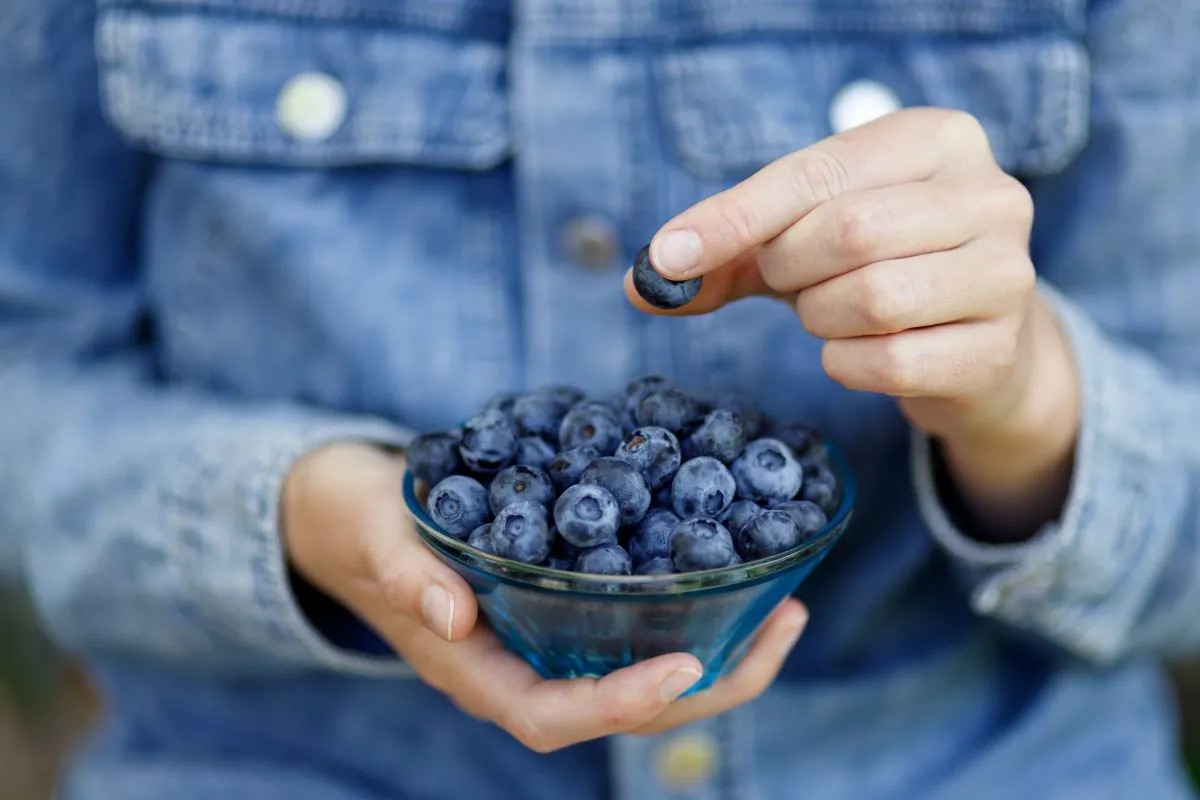
The authors detail that berries, cocoa, coffee, and olive oil are rich in polyphenols. The Mediterranean diet has also been highlighted due to its high content of fruits, vegetables, legumes, fish, olive oil, and whole grains
Similarly, the MIND diet (Mediterranean-DASH Intervention for Neurodegenerative Delay), a “hybrid” of the Mediterranean diet and DASH (Dietary Approaches to Stop Hypertension), was developed for brain health support, prioritizing leafy greens, vegetables, and berries while limiting the consumption of fast foods
Gut-brain axis
The research paper, published in Nutrients, reviewed previous studies and reviews of multiple laboratory, animal, population-based, and clinical studies. It did not collect or analyze any new data
The most studied compounds across studies included Epigallocatechin gallate, which is the main antioxidant in green tea, the pigment giving berries their color, curcumin, and flavanols in cocoa
Many polyphenols are not absorbed in the body directly but instead are processed by gut bacteria into compounds that affect cellular energy metabolism, functions of the nervous system, or inflammatory processes, the authors explain
Many polyphenols are not absorbed in the body directly but instead are processed by gut bacteria.Since the gut microbiota differs between people, these same foods do not provide the same health benefits for everyone
A study published late last year found potential benefits in inflammaging — chronic, low-grade inflammation driving the development of aging-related diseases — from polyphenols. The researchers also found improved gut microbiota diversity and increased beneficial bacteria among participants
“This may help explain why the same diet does not affect everyone in the same way. In the future, personalized nutrition could help us better understand who is most likely to benefit from a polyphenol-rich diet,” says the study’s first author, Dr. Noémi Mózes, assistant professor at the Institute of Preventive Medicine and Public Health of Semmelweis University
Increasing dementia cases
Earlier this month, the WHO reported that 57 million people were suffering from dementia in 2021, and every year sees 10 million new cases
A previous analysis on more than 217,000 adults revealed a potential link between higher omega-3 fatty acids in the blood and a 35–40% lower risk of developing early-onset dementia, regardless of genetic predispositions for the disease. Moreover, the full spectrum of omega-3s proved even more beneficial than docosahexaenoic acid alone
Other research also suggested that the quality and quantity of dietary carbohydrates have a significant impact on dementia development, as higher glycemic index foods were linked to an increased risk. Ultra-processed foods (UPFs) have also been linked to a higher risk of developing dementia and lower attention scores
However, the researchers of the new study stress that despite human studies having been conducted to find the link between diet and dementia, there is currently not enough evidence to recommend any single food or nutrient as a stand-alone strategy for preventing the disease
Healthy brain aging is not dependent on one type of food, or a “superfood,” but is instead based on long-term eating habits, they underscore. There are not enough data to draw conclusions that following a specific diet will be beneficial for dementia, but evidence suggests diets rich in vegetables, fruits, nuts, berries, fiber, and fish, while limiting UPFs, may support healthy brain aging
All content and features on this website are copyrighted with all rights reserved. The full details can be found in our privacy statement

Save in your AIChatGPTGoogle AIClaudePerplexityGrok



Nutrition Insight
Register now

AUG
25
2026
CPHI Korea 2026
COEX, Seoul, Korea
SEP
2
2026
Vitafoods Asia 2026
Hall 1-3 and Hall 5-7, Queen Sirikit National Convention Center, Bangkok
OCT
6
2026
CPHI Milan 2026
Fiera Milano, Italy
By continuing to browse our site you agree to ourPrivacy Statement

