


Premium
- HEALTH
Why nutritionists say you should eat more tinned fish
Sardines, salmon, mackerel, and other canned fish pack in a ton of essential nutrients—and there are simple ways to add them to your diet
Published July 16, 2026
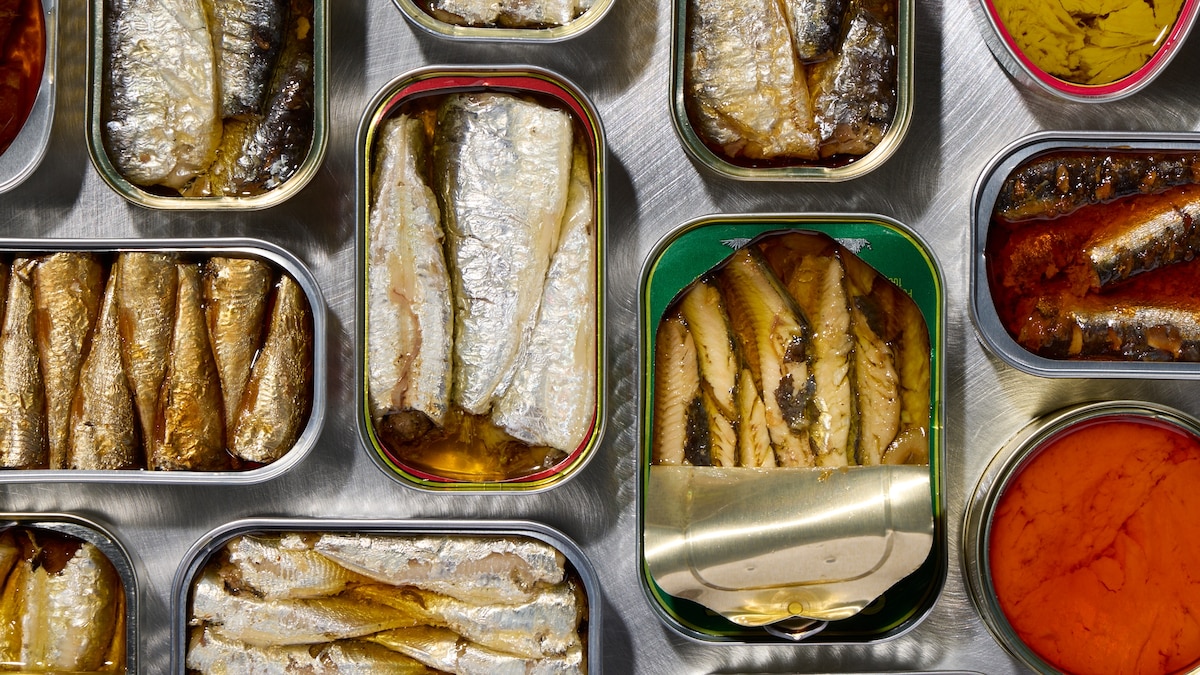
Nutrition experts often endorse fresh, whole foods over processed ones—but they’ll make an exception when it comes to tinned fish. “Rather than providing isolated mono nutrients, it’s a complete food,” says registered nutritionist Colin Robertson, highlighting the omega-3 fatty acids and vitamins B12 and D found in fatty fish such as sardines, mackerel, and anchovies
Alongside tuna, salmon, and herring, these high-protein, low-calorie canned varieties are also a practical choice, says Sonal Haerter, assistant professor and internal medicine physician at Creighton University. “They’re available all year round, and if you compare them to fresh fish, they are more affordable.” Previously seen as something a desperate cook might pull from the back of the pantry when they’ve run out of fresh options, these cupboard essentials have become a big social media trend, with health-conscious foodies sharing viral recipes like flaming smoked sardines and “seacuterie” boards. As a result, the global tinned fish market was valued at approximately $9.5 billion in 2022 and is predicted to rise to $17.2 billion by 2033.
(These are the best ways to get your protein.)
But there are a few important caveats to consider when choosing and cooking tinned fish. Here’s everything you need to know
The health benefits of tinned fish
The primary reason that fatty tinned fish are such a nutritional powerhouse is that they contain high levels of omega-3 essential fatty acids, which can’t be produced by the body and therefore must be consumed. “Omega-3s are the good fats that help us prevent heart disease, reduce the risk of diabetes, and lower blood pressure,” says Haerter. “Two servings of seafood per week is what the American Heart Association recommends for healthy consumption of omega-3s.”
The effects can be even greater for people who already have some cardiovascular conditions, Haerter adds. “If they already have evidence of heart disease, still have elevated cholesterol despite being on cholesterol-lowering medications, or have a type of cholesterol called triglycerides, these patients can benefit from omega-3s.” Fatty acids also offer a neuroprotective component, Robertson says, with a small 2023 study showing that fish oil supplements delayed cognitive decline in patients with very mild Alzheimer’s disease.
(Omega-3 fatty acids are more critical for your health than we thought.)
In addition to providing vitamin D (needed for bone health, brain function, and immunity), B12 (which supports the nervous system and metabolic functioning), and selenium (for antioxidant defense and immune health), tinned fish is a goodaurine has anti-inflammatory and antioxidant properties and “helps in protein synthesis and is very useful in brain and cellular health,” she notes. “Sardines are very rich in taurine.”
Which tinned fish is best?
There’s a handy acronym to help you remember which tinned fish are the most nutritious. “SMASH stands for salmon, mackerel, anchovies, sardines, and herring,” says nutritionist Phoebe Wareham. “Those are higher in omega-3s and lower in mercury.” She recommends sardines as the most nutrient-dense of the big five because “you often eat the bones and the skin, so that’s a great source of calcium and vitamin K2, which are excellent for bone health.” They’re also very high in B12. A 2026 paper found that only 15 grams of tinned sardines are needed to provide the recommended daily amount for two key omega-3s.
“If you want protein, I’d always go for tuna,” Robertson says. But because it’s higher up the food chain, tuna generally contains more mercury than other canned fish. Consuming too much can be toxic and “in the short term, it can cause nausea, but a buildup of mercury over time is really detrimental to health,” he explains. Long-term symptoms can include tingling or numbness in the hands or feet, fatigue, and brain fog, but Robertson estimates most people would have to eat around 10 cans a day to be at risk of overconsumption.
“A global analysis of over 138,000 records found that about 97.6 percent of aquatic products meet safety standards, and the health benefits of omega-3s outweigh whatever small metal contaminants we might find,” Haerter says. However, there is one exception: “Pregnant women and nursing mothers should limit canned light tuna to less than 12 ounces per week,” she says
Oil, brine, water, and flavored sauces are the most common packing mediums for tinned fish, some of which can be high in sodium, Wareham notes. “Try to opt for a low-sodium variety, and look for fish in olive oil—that’s the more heart-healthy, anti-inflammatory option.”
How to incorporate tinned fish in your diet
The simplest way to eat tinned fish is on toast, either whole or mashed and seasoned with salt and pepper. “If you like having avocado toast for breakfast, put some sardines on top,” Haerter says
In summer, it’s easy to make tinned fish the star of salads, Wareham adds. “An Asian tuna salad is one of my favorite ways to eat it, with mayo, sriracha, rice, avocado, and nori sheets. You could also do it Nicoise-style with potatoes, green beans, boiled eggs, and olives, and you can use the olive oil from the tin to make a French vinaigrette.” Anchovies can be chopped and added to salad dressings or sauces and served with pasta or grains such as couscous or bulgur wheat
(This one ingredient will unlock kale’s superpowers.)
Be careful not to overheat tinned fish. While their protein, mineral, and vitamin content are relatively stable because they’ve already been cooked during the canning process, if omega-3s are heated to high temperatures, the nutrients can degrade
A lot of omega-3 research is based on fish oil supplements, and while these daily capsules can be convenient, eating tinned fish is more beneficial. “I typically recommend a food-first approach where possible,” Wareham says. “When you eat the fish in its whole form, you get all of the protein, which is the most satiating part, and the micronutrients from the bones.”
Katie Wright is a freelance writer based in Lisbon, Portugal. She regularly reports on health, science, and nutrition for National Geographic.
