



AgriLife Research links fiber and healthy fatsto possible cancer-fighting effect, ferroptosis
New research from Texas A&M AgriLife Research indicates the dietary combination of high-fiber plant, may destroy colorectal cancer cells
The findings stem from decades of research led by
Robert Chapkin, Ph.D., Allen Endowed Chair and Distinguished Professor in Nutrition and Chronic Disease Prevention in the
Texas A&M College of Agriculture and Life Sciences
Department of Nutrition and
Department of Biochemistry and Biophysics and a member of the
Texas A&M AgriLife Institute for Advancing Health Through Agriculture
Chapkins work has identified a synergistic relationship between these certain healthy fats and dietary fiber, meaning the combination produces effects greater than either nutrient alone
Their effects are more than additive, Chapkin said. They were somehow multiplying the outcomes in a way that was very provocative, and suppressed colon cancer in preclinical models.
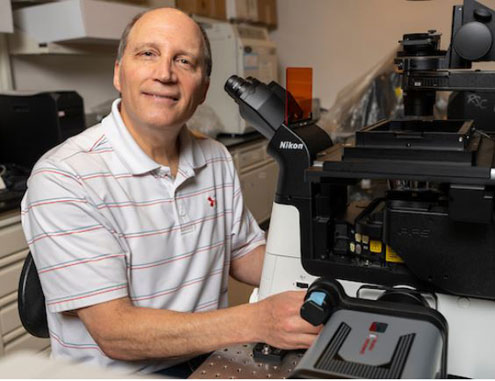
Robert Chapkin, Ph.D., published research linking fiber and healthy fats to possible colorectal cancer-fighting effect, ferroptosis. (Michael Miller/Texas A&M AgriLife)
This dietary pairing triggers a unique protective mechanism in the gut microbiome known as ferroptosis, or a specialized form of programmed cell death that helps eliminate dangerous cells.
Unlike apoptosis, another type of cell death that occurs when fiber or fish oil is consumed independently, ferroptosis arises only when both components are consumed together
The death of cells is part of a normal process it is a defense mechanism we have to get rid of bad stuff, Chapkin said. In cancer, that process is often suppressed, and the dangerous cells survive and thrive.
His studies, however, show this specific combination of nutrients in the diet can actually turn up the programmed cell death to reduce the risk of diseases of the colon
This is a significant breakthrough, said Chapkin. The discoveries surrounding ferroptosis empower individuals with safe, whole-food options that harness natures own defense mechanisms and usher in the future of precision nutrition.
This synergy is particularly effective because it targets cancer stem cells, which act as the root of tumor development, he said. The research suggests the combination acts as a protective umbrella to lower colorectal cancer risk without the toxicity concerns associated with long-term drug interventions
The paper was co-authored by many researchers, including these from across
The Texas A&M University System:
- Yang-Yi Fan, Ph.D., research scientist; Michael Salinas, Ph.D., postdoctoral research associate; Destiny Mullens, Ph.D., postdoctoral research associate; Laurie Davidson, Ph.D., research scientist; and Jennifer Goldsby, research associate,
all in the Department of Nutrition. - Ivan Ivanov, Ph.D., research and clinical professor,
Department of Veterinary Physiology and Pharmacology, and James Cai, Ph.D., professor,
Department of Veterinary Integrative Biosciences, both in the
College of Veterinary Medicine and Biomedical Sciences. - Arul Jayaraman, Ph.D., Regents Professor, Presidential Impact Fellow, Ray B. Nesbitt Endowed Chair and executive associate dean,
College of Engineering.
Preventative implications
Colorectal cancer is the second most common cause of cancer death in the U.S., with a five-year relative survival rate of 65%
Chapkin said these findings open the door to targeted dietary recommendations and potentially transform preventive strategies for high-risk populations
