


Scholars task Muslims on emotional wellbeing
Date:
24 July 2026 4:00am WAT


Mental healthexperts, Islamic scholars and community leaders in Nigeria have called on Muslims to prioritize their emotional wellbeing and family relationships, warning that rising economic pressures and social changes are taking a severe toll on domestic life
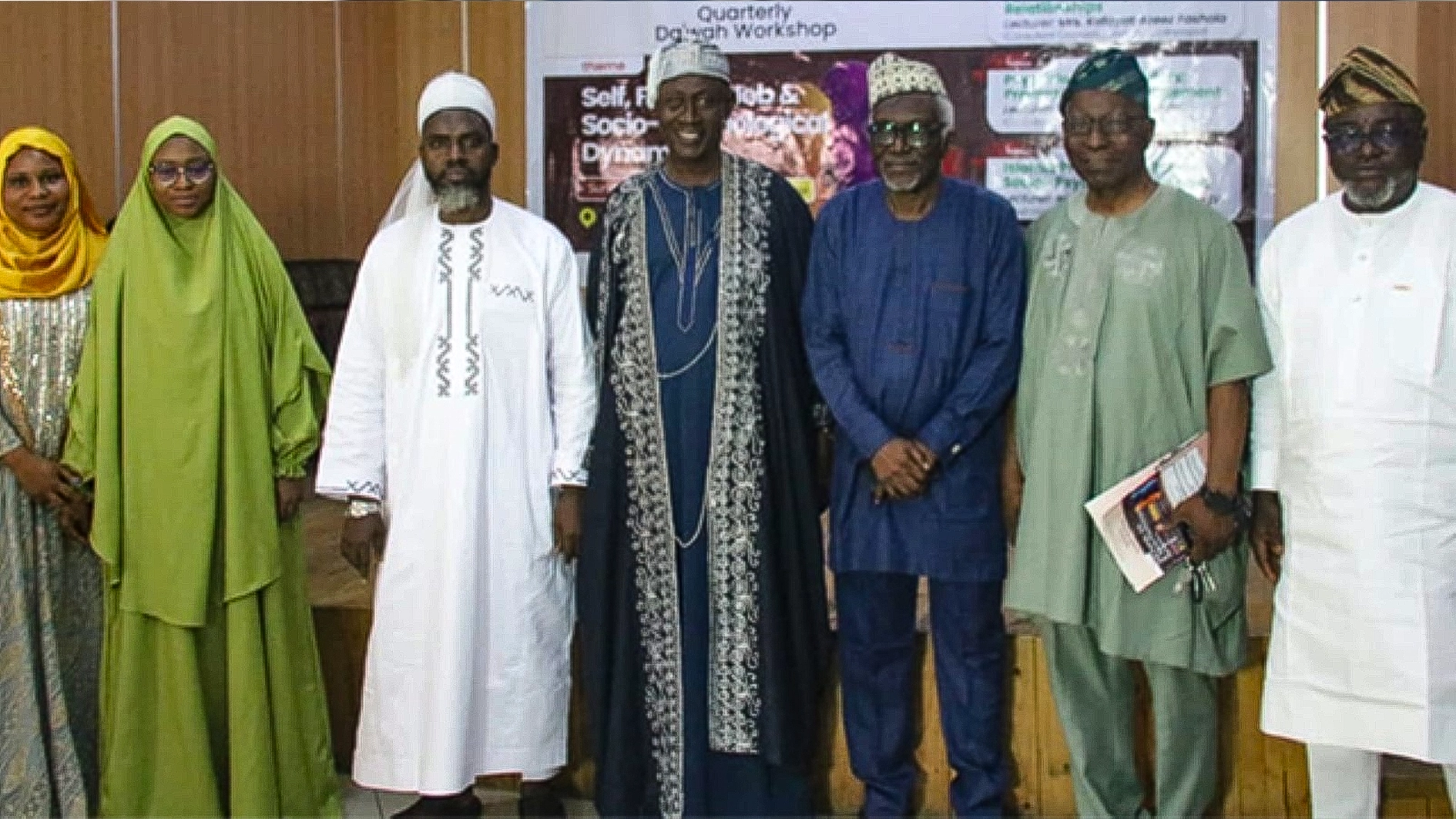
Speaking at a conference organized by the Lekki Muslim Ummah (LEMU) in Lagos, speakers stressed that mental resilience and spiritual faith are equally vital to maintaining stable households and building a productive society
The president of LLEMU, Dr Abdulganiy Labinjo, told participants that Nigerian families face unprecedented levels of workplace stress, financial difficulty and changing social conditions, which require professional psychological intervention alongside faith-based guidance
“The family is the first institution every one of us belongs to before we move into schools, our places of work and the larger society,” Labinjo said. “Each stage of life presents its own challenges. That is why we must understand how to manage ourselves psychologically while remaining guided by Islamic teachings.”
He added that the sharp increase in thecost of living across Nigeria has heightened domestic strain, making public conversations on mental health an urgent priority
A consultant counsellor and psychotherapist, Kafayat Azeez Fashola, told the audience that a vast majority of interpersonal and marital disputes are rooted not in major disagreements, but in unmanaged emotional patterns, poor communication and unresolved childhood trauma. “There are no perfect families or perfect marriages,” Fashola said. “What makes relationships healthy is the willingness of the people involved to continue doing the work required to sustain love, trust and understanding.”
Highlighting the role of emotional intelligence, Fashola urged individuals to practice active listening and self-awareness
“When we communicate, we should ask ourselves whether we are listening to understand or simply listening to reply. Communication is more than speaking. It includes body language, timing, silence and genuine attention.”
She warned that childhood attachment styles often dictate how adults relate to spouses and children, but noted that people can consciously break unhealthy cycles through self-awareness and Islamic values
Addressing the medical aspects of psychological conditions, a consultant clinical psychologist, Dr Mustapha Sanbe, made a strong plea to end the social stigma associated with mental illness in religious communities.
Sanbe rejected the notion that mental health struggles stem from a lack of faith or personal weakness, noting that psychological disorders arise from a complex interplay of genetic, environmental and life factors
“Mental illness does not have one single cause,” Sanbe said. “Sometimes it is hereditary, sometimes environmental, sometimes psychological. That is why people should stop making assumptions about those facing mental health challenges.”
He cautioned against judging individuals by outward appearances, explaining that clinical depression presents in varied ways, from appetite loss andinsomnia to overeating or social withdrawal. He also called for greater family empathy toward women suffering from postpartum depression
A consultant psychiatrist at the Federal Neuropsychiatric Hospital in Yaba, Lagos, Dr Abdur Rasheed Awesu, advocated formal partnerships between clinical practitioners and Islamic scholars. He asserted that mental health struggles should never be dismissed as spiritual failure, demanding a joint approach between clinical medicine and pastoral support
Extending this perspective, the chief imam of Lekki Central Mosque, Dr Ridwan Jamiu, stated that Islamic traditions offer practical tools for psychological stability through patience (sabr), gratitude (shukr) and mental adaptability
Quoting from Surah Al-Baqarah, Jamiu reminded attendees that adversity is an inevitable part of the human experience
“The only permanent thing about life is change,” Jamiu said. “You can be happy today and face challenges tomorrow. A believer understands this reality and prepares for it.”
Pointing to Prophetic teachings on the central role of emotional and spiritual health, Jamiu added: “If the heart is sound, the whole body becomes sound. This is why Muslims must pay attention to what occupies their hearts and minds.”
