


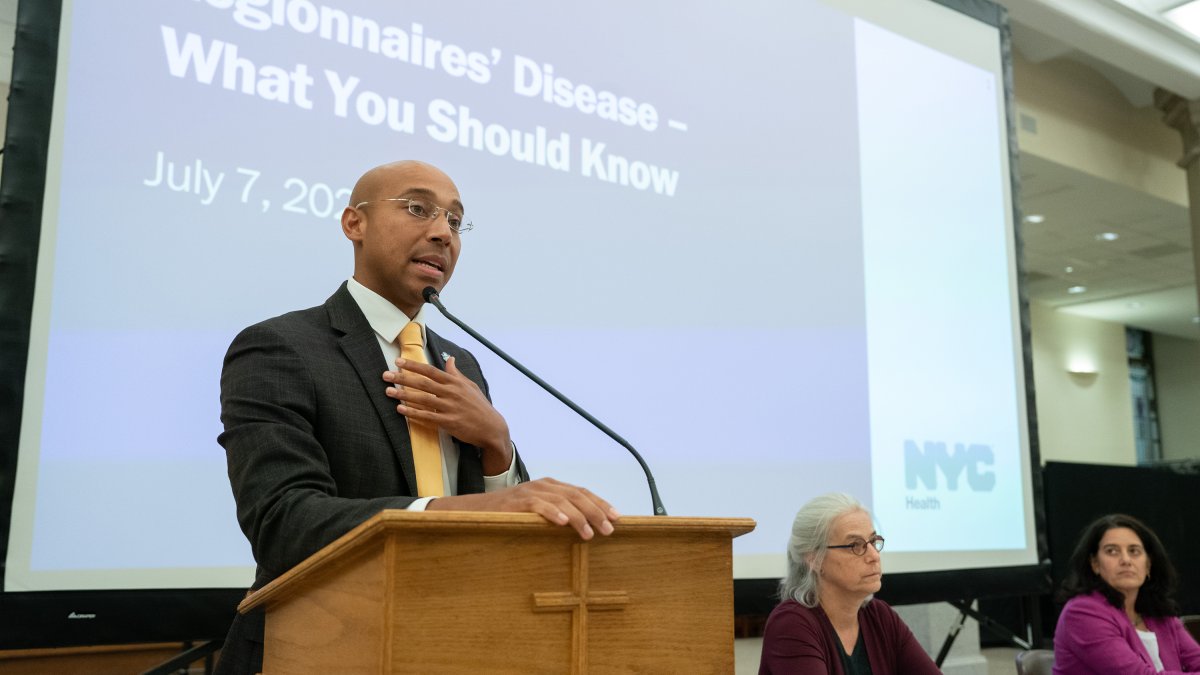

There are now 28 confirmed cases in a Legionnaires’ disease outbreak on the Upper East Side. Neighbors packed a town hall Tuesday night hoping to get answers from the city’s Health Department. But residents were told the city is still searching for the source of the bacteria. NBC New York’s Gus Rosendale reports.
More cases have been added to the burgeoning outbreak of a severe kind of pneumonia, Legionnaires’ disease, on the Upper East Side, as city health investigators push to find and remedy the
As of late Wednesday, the NYC Health Department said there had been 36 cases connected to this cluster — though that number is likely to rise with more testing. More than 60% of those cases have required hospitalization. No one has died at this time
At an unrelated event Thursday morning, NYC Council Speaker Julie Menin said it’s only a matter of time, given the vulnerable senior population in the impacted zone
Watch NBC 4 free wherever you are
WATCH HERE
The outbreak right now is confined to the Carnegie Hill and Yorkville sections of the Upper East Side: ZIP codes 10028, 10128 and 10075 are impacted. Health officials say people who live in those ZIP codes can drink tap water, bathe, shower, and use air conditioners as they normally would. It’s not a plumbing issue; it’s likely a cooling tower
More than 160 water towers in the area are being looked at, and remediation efforts have already begun, officials say
The case additions came a day after the NYC Health Department announced additional emergency measures to contain the outbreak. The Mamdani administration also pledged to release the addresses of buildings with positive initial Legionella (the bacteria that causes the disease) tests. That hasn’t been done in the past
It’s not clear when the city might do that
Mayor Zohran Mamdani also said anyone who lives or has worked in the area since late June and is experiencing symptoms should contact their healthcare provider
The city started investigating a week ago, after identifying two Legionnaires’ disease cases on July 2 that suggested a possible community
The impacted zone has since expanded. Because of that, some believe they or someone they know may have had the illness without ever considering it a possibility
“We go to Central Park on 79th, we enter the park that way. And I’m like, this is so mysteriously the same symptoms that she had, because it was probably like two to three weeks of coughing,” Matt Sheldon said about his wife, who experienced the issues a couple of weeks ago
The active testing zone stretches from around East 74th Street to east 97th Street
More coverage

New York CityAug 1, 2025
Legionnaires’ disease survivor speaks out during deadly Harlem cluster
New York CityJan 14
Legionnaires’ disease linked to NYC’s largest residential complex
What to know about Legionnaires’ disease
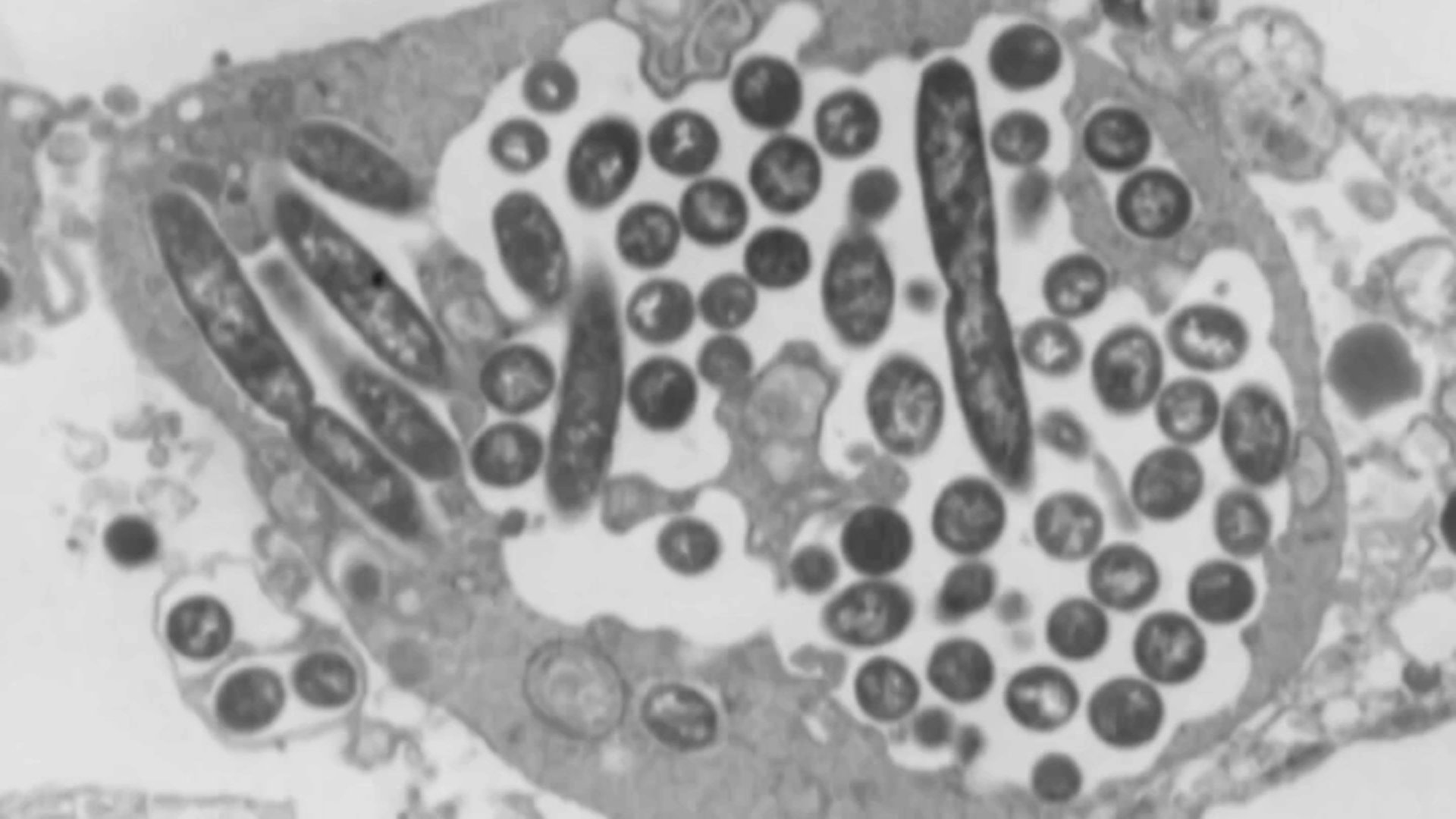
Legionella typically develops in cooling towers that haven’t been cleaned frequently enough. Once the bacteria forms, it drifts into the air through water vapor. It cannot be transmitted person-to-person. Over the summer of 2025, seven people died during a Legionnaires cluster in Harlem
New York City Council changed the law mandating buildings test, clean and report back to the Health Department every 90 days, but the law has only been in effect since May. City Council Speaker Julie Menin said she has questions
“Is the Health Department focusing on those buildings that were not compliant? Because obviously we’re deeply concerned that theaid
The DOHMH recommended people in the impacted area stay away from steam while indoors. In terms of what to look out for, the Health Department said to look out for flu-like symptoms including cough, fever and difficulty breathing — and then to go straight to the doctor to get tested
Drinking water, cooking, showering and using air conditioning are typically safe.
But the best thing to do is look out for flu-like symptoms, including cough, fever, and difficulty breathing. Head to the doctor for testing if you experience those
All buildings with cooling towers are instructed to clean and test for Legionella bacteria. But because it takes a few days for the disease to develop in humans, the outbreak may expand again before it ebbs
