



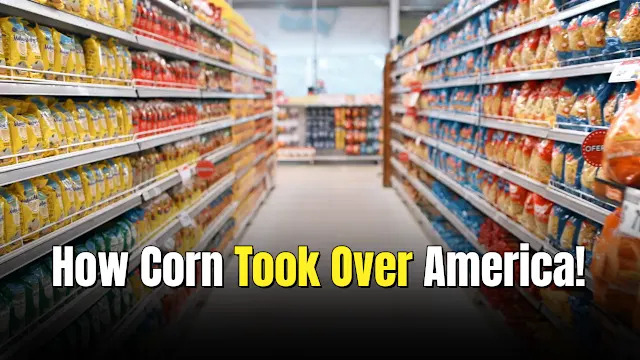
- High fructose corn syrup was created in 1957 as a cheap alternative to cane sugar, leading to its widespread use in American processed foods.
- The rise of high fructose corn syrup in the American diet was fueled by import tariffs on foreign cane sugar and farm subsidies that kept domestic corn prices low.
- Despite concerns about its health impacts, high fructose corn syrup remains prevalent in American food products due to decades of infrastructure and economic incentives.
Walk down any grocery aisle and one ingredient touches almost everything, cereal, bread, salad dressing, soda, ketchup, even bacon. Few people ever stop to ask how one substance ended up in so many unrelated products at once
Fifty years ago, this ingredient barely existed outside a research lab. Today it accounts for a huge share of the sweeteners Americans consume every single year, and the story of how that happened involves farm policy as much as flavor
The shift happened fast enough that most people never noticed their food quietly changing underneath them. Here is the real story behind high fructose corn syrup, and how it reshaped the modern American diet
A Lab Trick That Solved A Cheap Problem
Chemists Richard Marshall and Earl Kooi first created the enzyme behind high fructose corn syrup back in 1957, turning part of corn syrup’s glucose into sweeter fructose. For years afterward, the discovery sat mostly unused, more curiosity than commercial product
Advertisement
That changed once American corn production began outpacing demand. Companies like Archer Daniels Midland saw an opportunity to convert a growing corn surplus into something the food industry actually wanted, a cheap, shelf stable alternative to cane sugar
Why It Replaced Sugar So Fast
Timing worked heavily in HFCS’s favor. Import tariffs kept foreign cane sugar artificially expensive in the United States, while farm subsidies kept domestic corn prices artificially low, according to a breakdown from the Obesity Action Coalition
That price gap made switching an easy financial decision for food manufacturers. Coca Cola began using HFCS in its drinks in 1980, and most of the rest of the American beverage and snack industry followed within a few years
The Backlash That Followed
As HFCS consumption climbed, so did rates of obesity, type 2 diabetes and fatty liver disease across the country. Scientists still debate how much of that shift can be pinned specifically on HFCS itself rather than rising sugar intake overall, but the ingredient became a lightning rod regardless
Advertisement
Public pressure has only grown in recent years, with figures across the political spectrum openly calling for restrictions or outright bans. Usage has already been declining for two decades as more brands quietly shift back toward cane sugar
Even so, the infrastructure built around corn sweeteners remains massive, backed by decades of subsidies, processing plants and political relationships. Undoing five decades of momentum tends to move a lot slower than building it did
One chemistry trick from a 1950s lab ended up rerouting an entire country’s food supply, largely because it was cheap at exactly the right moment. That is usually how the biggest shifts in what people eat actually happen, quietly, through economics, long before anyone notices the taste has changed
RELATED ARTICLE:The Healthiest Snacks Dietitians Always Keep at Home
