


Image
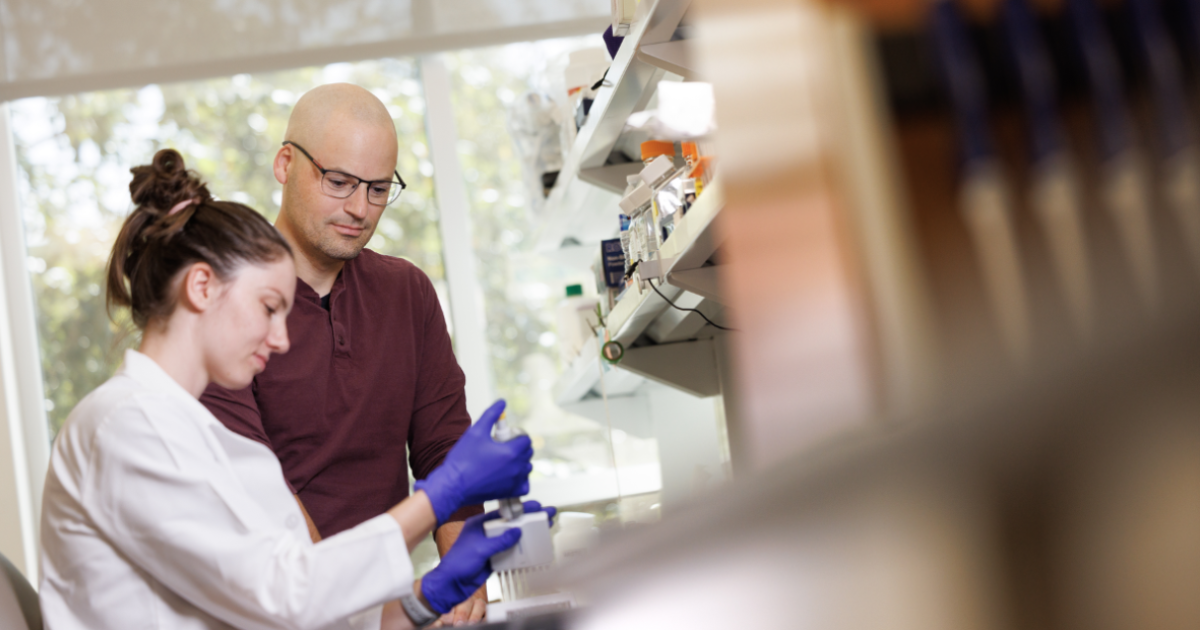
Duke researcher Jonathan Campbell is studying what happens when the hormone glucagon joins the mix. Photo by Eamon Queeney.
The following is a summary of a story by Shantell Kirkendoll onDuke University School of Medicine
For decades, glucagon, a peptide hormone of the pancreas, has been recognized in biology texts for raising blood sugar levels, while insulin, its naturally occurring counterpart in the pancreas, lowers blood sugar
But a Duke University School of Medicine researcher argues that glucagon may be the next big thing in weight loss drugs
Jonathan Campbell, a metabolism and diabetes researcher and associate professor of medicine, presented his findings at the American Diabetes Association’s Scientific Sessions in June
Campbell cited research indicating glucagon may be a key ingredient that’s fueling a new generation of experimental weight loss drugs that produce weight loss levels once thought unattainable. Retatrutide is in this new class of drugs. Along with targeting GLP-1 and GIP, the new drugs activate glucagon receptors to help increase the amount of energy the body uses
Campbell challenged the traditional view of glucagon as a hormone that solely prevents alarmingly low blood sugar levels during fasting. He pointed to new, growing evidence that suggests glucagon plays a critical role in how the body processes nutrients, burns fat and responds to insulin after meals
“The drugs may be working so well in part because of glucagon,” said Campbell. “Rather than being the bad guy, it may be helping insulin do its job.”
To learn more about Campbell’s findings visitDuke University School of Medicine
