


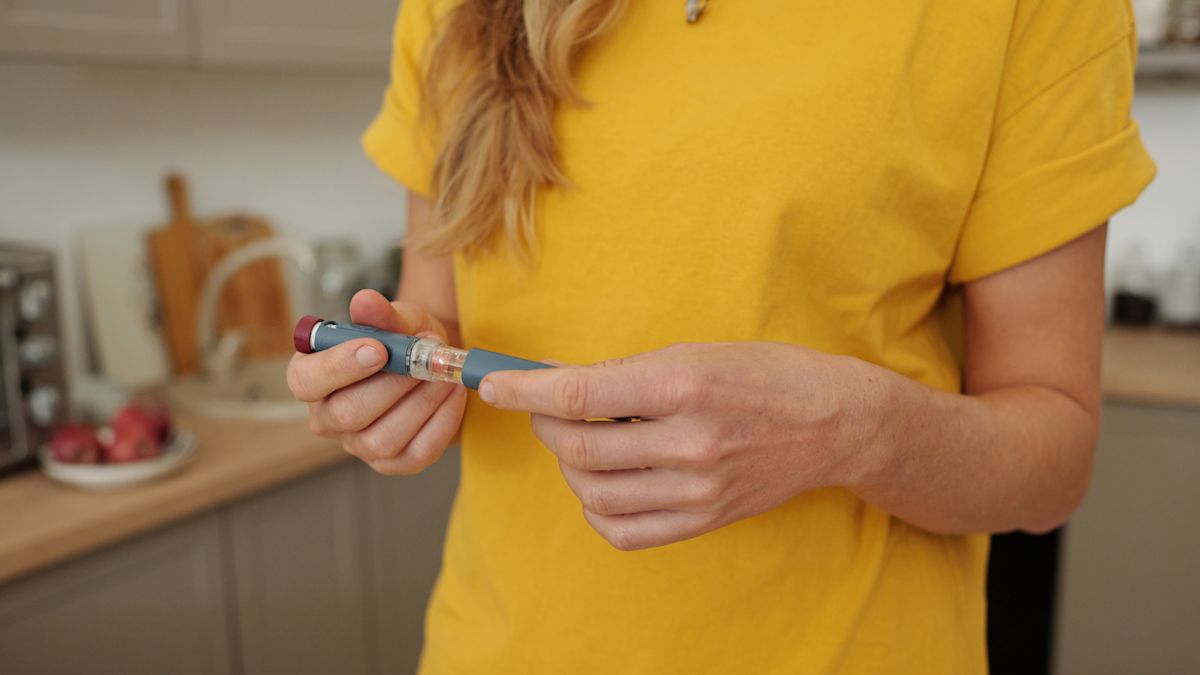
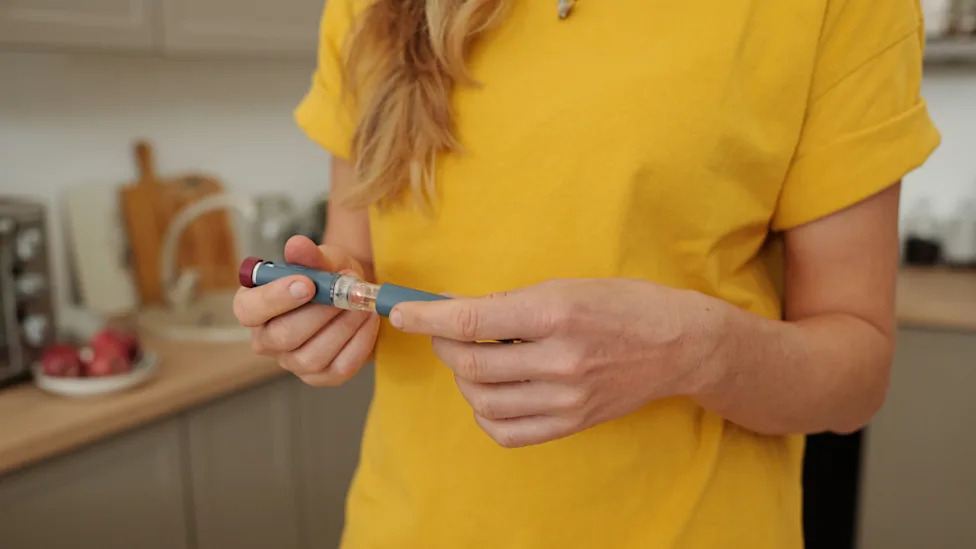
Please note: This article is based on an exclusive interview with Oluwatosin Ajao, MD, a triple board-certified physician in internal medicine, obesity medicine, and lifestyle medicine, known to her patients as Dr. Tosin
GLP-1 medications have gone from being best known as diabetes drugs to one of the most talked-about and requested prescriptions in America. While the results for many have been remarkable, the decision to start one deserves real consideration. So before you fill that first prescription, it’s worth slowing down and asking the right questions. To sort through it, I put those questions to Oluwatosin Ajao, MD, an obesity medicine physician known to her patients as Dr. Tosin, who has more than two decades of experience. Here’s what she wants people to know.
The first question to ask before starting a GLP-1
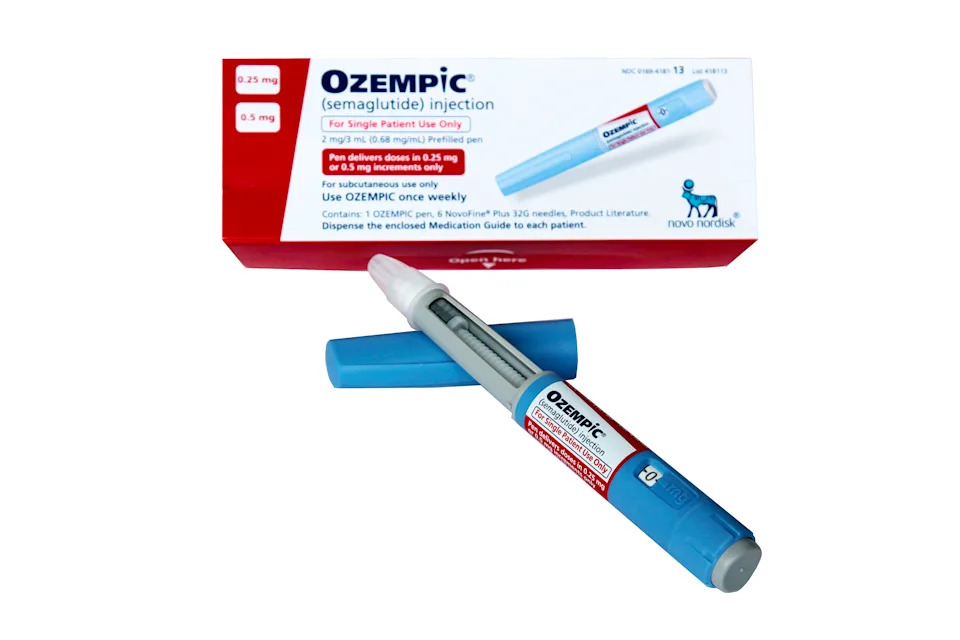
Before anything else, Dr. Tosin wants people to figure out whether the medication actually fits their health picture. “The first question to ask is the medical appropriateness of a GLP-1 medicine for you,” she said
Advertisement
That starts with the basics of who these drugs are designed for. “These medicines are for adults with obesity (BMI 30+) or who are overweight (BMI 27+),” she noted, adding that they’re generally meant for people who also have a weight-related health problem such as high blood pressure, type 2 diabetes, or high cholesterol. Some are approved to lower heart disease risk, and the FDA has cleared semaglutide to reduce the risk of heart attack, stroke, and cardiovascular death in adults with established heart disease and either obesity or overweight, a milestone first reported through the landmark SELECT trial summarized by Yale Medicine.
Her advice before you go any further? Talk with your doctor, who can help you figure out whether your weight or metabolism is tied to a medical issue, and whether lifestyle changes should come first
Who’s a good candidate for GLP-1 medications, and who isn’t
Not everyone who wants to start taking a GLP-1 medication is an ideal match for one. “Good candidates are adults with weight-related health issues,” Dr. Tosin explained, pointing to conditions like type 2 diabetes, heart disease, and prediabetes as situations where these medications can be especially valuable
There’s an interesting wrinkle for people with diabetes. “People with type 2 diabetes often lose weight on GLP-1 medicines,” she observed. “However, they usually lose less weight than those without diabetes.” That pattern is consistent with the clinical literature reviewed in Diabetes, Obesity and Metabolism
Advertisement
As for who probably isn’t a great fit, Dr. Tosin pointed to a few groups: people who are only slightly overweight without any weight-related medical conditions, those who aren’t willing to commit to long-term treatment, and anyone whose other medical conditions would make the drugs unsafe
Who should never take a GLP-1
Dr. Tosin cautioned that you shouldn’t take a GLP-1 medicine if you have a personal or family history of medullary thyroid cancer, if you have Multiple Endocrine Neoplasia type 2 (MEN2), if you’ve had a serious allergic reaction to the medicine, or if you’re pregnant or breastfeeding
That thyroid caution traces back to an FDA boxed warning. As a review in The Journal of Clinical Endocrinology & Metabolism describes, the warning specifically advises against these drugs for people with a personal or family history of medullary thyroid carcinoma or MEN2, a guidance rooted in rodent studies rather than common thyroid conditions
She also flagged kidney health as a conversation worth having. Some GLP-1 medicines aren’t safe for people with severe kidney disease or failure, so if you have kidney problems, ask your doctor whether this treatment is right for you
What to tell your doctor before your first dose
A good visit is a thorough one, and Dr. Tosin urged patients to come prepared to share their full history. Before starting, she recommended telling your doctor if you have a history of pancreatitis, slow stomach emptying (gastroparesis), past bariatric or stomach surgery, diabetic eye disease, or gallbladder problems such as gallstones
Advertisement
Your medication list matters just as much. She stressed mentioning insulin or sulfonylureas, which can raise the risk of low blood sugar, and DPP-4 inhibitors, which are usually stopped when a GLP-1 is started. She also advised listing any oral medicines that absorb quickly, since GLP-1 drugs can slow stomach emptying and affect how those work. The takeaway, she said, is that your doctor may need to adjust your medications to keep you safe, and these drug interactions are a recurring theme in safety reviews like this one in the British Journal of Clinical Pharmacology.
The one question patients forget to ask: what happens if I stop?
“Many patients forget to ask, what happens if I stop taking the medication?” Dr. Tosin shared. The honest answer surprises a lot of people. “Studies show that most people regain much of the weight they lost after stopping a GLP-1 medicine,” she said, adding that blood sugar, blood pressure, and cholesterol levels can drift back up too
The data backs her up. In the STEP 1 trial extension, participants regained roughly two-thirds of their lost weight in the year after stopping semaglutide, with cardiometabolic improvements largely reverting toward baseline. A broader systematic review and meta-analysis found a similar rebound pattern after discontinuation
“GLP-1 medicines are often seen as a long-term treatment for chronic diseases,” she explained, so it’s worth asking yourself honestly whether you’re ready for that commitment, paired with sustainable lifestyle changes
What to expect in the first few weeks on a GLP-1

The early days on GLP-1 medications can be bumpy, and knowing that ahead of time helps. “Gastrointestinal side effects often happen in the first few weeks,” Dr. Tosin noted, especially as the dose climbs
Advertisement
In those opening weeks, she said you might feel mild nausea that usually eases over time, notice you’re less hungry and full sooner, and start to see some early weight loss. The dose is typically increased gradually over several months until you reach your target.
To take the edge off the side effects, she recommended eating smaller meals, limiting high-fat foods, getting enough fiber, and drinking plenty of water. These tolerability tips line up with the safety guidance reviewed by Lingvay and colleagues in their overview of obesity care in adults
GLP-1 side effects: what’s normal and when to call your doctor

Some side effects are common and tend to fade as your body adjusts. Dr. Tosin listed nausea, diarrhea, constipation, vomiting, stomach discomfort, mild soreness at the injection site, and a small bump in heart rate among them
She advised reaching out to your doctor for severe or ongoing stomach pain, pain in the upper right side of your abdomen (especially after fatty foods), signs of dehydration like dizziness or dark urine, symptoms of low blood sugar such as shakiness or confusion, vision changes, signs of an allergic reaction, or any thoughts of self-harm.
Advertisement
“These symptoms may indicate a more serious problem, and you should not ignore them,” she cautioned
Are GLP-1 medications a short-term fix or a long-term commitment?
If you’re hoping to take a GLP-1 for a season and coast afterward, Dr. Tosin wants you to reset that expectation. “For most people, GLP-1 medicines work best as a long-term treatment, not a short-term fix,” she said
She compares it to managing other chronic conditions. “Obesity is a chronic disease, like high blood pressure,” she explained, the kind of condition that often needs ongoing treatment to hold results steady, a view echoed in the American Diabetes Association’s Standards of Care in Diabetes, 2026. Her recommendation is to map out the long game with your doctor up front, so you can decide together whether to continue, lower the dose, or stop down the road
How much do GLP-1 medications cost? Insurance and access tips
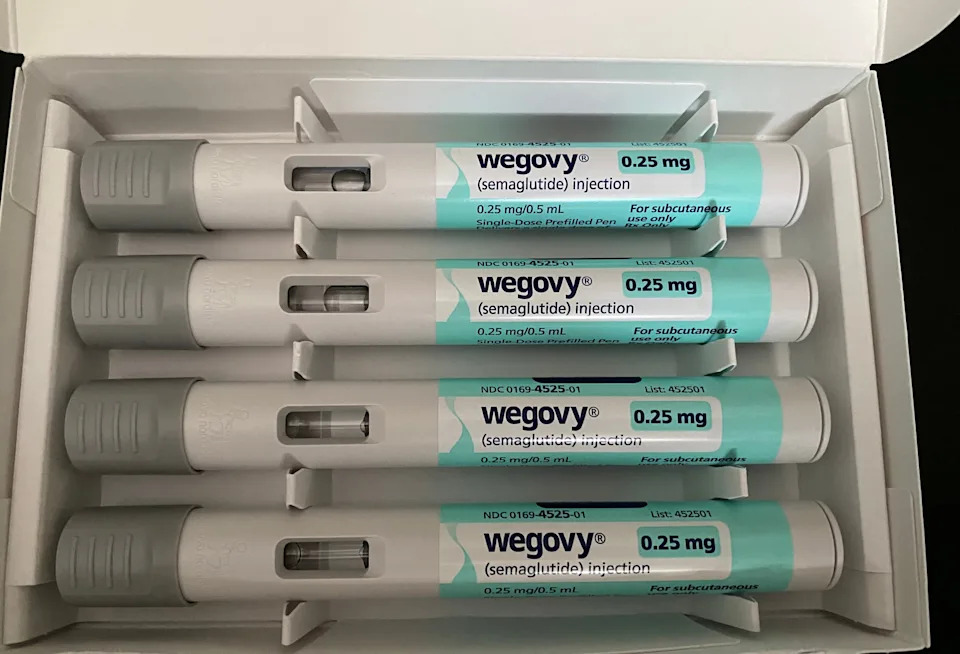
Money is the part that blindsides people, and Dr. Tosin doesn’t sugarcoat it. “GLP-1 medicines can be a major cost challenge,” she acknowledged, noting they can run from hundreds to over a thousand dollars a month without insurance
Advertisement
To avoid surprises, she suggested asking a few pointed questions before you start: Does my insurance cover this? Is coverage different for obesity versus diabetes? Do I need prior authorization? Are there manufacturer discounts or patient assistance programs? And would an oral version be more likely to be covered or carry a lower copay? Once you’re underway, she added, you and your doctor should check your results regularly and adjust as needed, since not everyone responds the same way
How to vet a telehealth provider before getting a GLP-1 online
With online prescribers seemingly everywhere, Dr. Tosin’s guidance is to slow down. “Be careful when getting GLP-1 medications online,” she warned
A trustworthy telehealth provider, she explained, should do a full medical evaluation before prescribing, including a detailed medical history, a health assessment, appropriate lab work, and regular follow-up visits.
A quick questionnaire and an instant script don’t clear that bar. “A simple online questionnaire followed by a prescription is usually not enough,” she said. “Safe treatment requires ongoing care and monitoring by a trained healthcare professional.” Federal regulators share that concern: the FDA has reported adverse events, some requiring hospitalization, tied to dosing errors with unapproved compounded versions
Red flags that a GLP-1 provider isn’t doing right by you
Dr. Tosin offered a checklist of warning signs that a provider is cutting corners: prescribing compounded GLP-1 products instead of FDA-approved ones, writing a prescription without reviewing your history or ordering labs, having no plan to increase the dose gradually, scheduling no follow-up visits in the first few months, skipping a review of your other medications, ignoring nutrition entirely, never mentioning long-term treatment or what happens if you stop, and tacking on ingredients like vitamin B12 or B6 without a clinical reason.
Advertisement
That compounding caution is well-founded. The American Diabetes Association’s statement on compounded GLP-1 and dual GIP/GLP-1 receptor agonists warns that these unapproved products skip the FDA’s review for safety, effectiveness, and quality. By contrast, Dr. Tosin said, “A good provider checks your health,” tracks your progress, and builds a long-term plan with you
GLP-1 alternatives: other weight loss medications and options
If a GLP-1 isn’t the right fit, Dr. Tosin reflected that there are still plenty of paths forward. She mentioned phentermine/topiramate (Qsymia), which can aid weight loss but may bring mood changes, anxiety, or sleep issues, and naltrexone/bupropion (Contrave), which can help but may raise blood pressure and isn’t safe for people on opioids. Orlistat reduces fat absorption but can cause digestive side effects, while SGLT2 inhibitors, used in type 2 diabetes, tend to produce only modest weight loss while helping protect the heart and kidneys.
For severe obesity, she didn’t hold back on what works. “Metabolic or bariatric surgery is a highly effective option for severe obesity,” she said. “It can result in significant long-term weight loss.” She also pointed to structured lifestyle programs that blend exercise, healthy eating, and habit tracking for lasting results. Most of these options can work, she clarified, though they usually don’t match the weight loss seen with GLP-1 medications, a tradeoff explored in the cardiovascular review by Honigberg and colleagues.
Thanks for reading. I invite you to follow me on Yahoo for more health and wellness stories

Oluwatosin Ajao, MD, known as Dr. Tosin, is a triple board-certified internal medicine, obesity medicine, and lifestyle medicine physician and a Fellow of the American College of Physicians, with over twenty years of clinical experience. She’s also the founder of Hydration Bar MD, a physician-led platform focused on preventive wellness and evidence-based hydration. This article reflects her insights as shared in an interview and is presented for educational purposes
Advertisement
Please note: This article is for general information and education only, and it isn’t a substitute for personalized medical advice. GLP-1 medications affect everyone differently, so please talk with your own doctor or a qualified healthcare provider about what’s right for you before starting, changing, or stopping any treatment. If you’re ever having thoughts of self-harm, reach out to a medical professional or call or text 988 (the Suicide and Crisis Lifeline in the U.S.) right away
Robin Raven Creator
Robin Raven is a journalist who covers travel, entertainment, health, wellness and more. You can often find her writing songs, flying somewhere she’s never been, reading and listening to Taylor Swift.
Creators are not employed by Yahoo. Views expressed by creators do not reflect the opinions and position of Yahoo.Learn how to become a creator.
