Expert SpeakHealth Express
Published on Jul 31, 2026
As nutrition guidance shifts from counting nutrients to eating real, whole foods, success will depend less on redefining diets than on making healthier food affordable, accessible, and sustainable for all
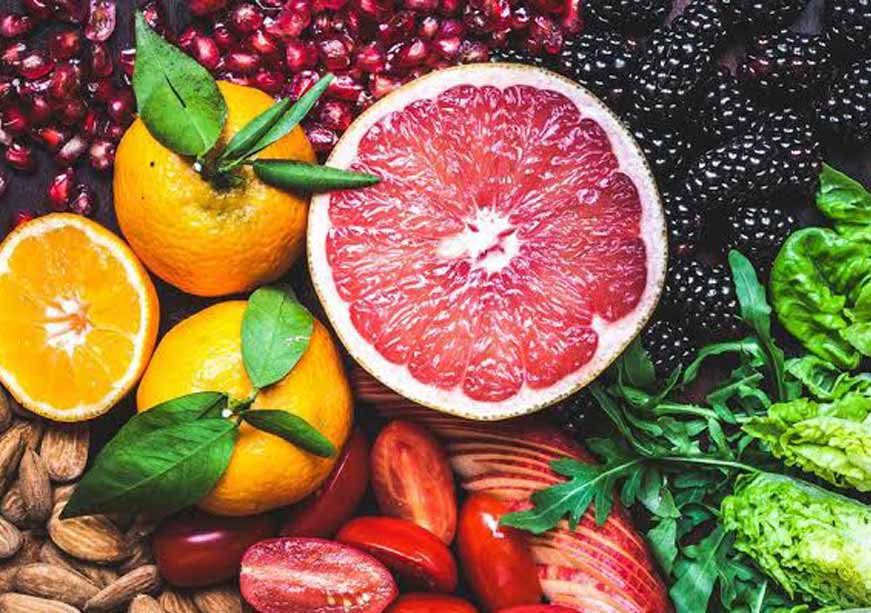
- Nutrition guidance is shifting from nutrient targets to whole dietary patterns because diet quality matters more than isolated nutrients. Better health now depends on food systems that make healthy diets widely achievable.
- Ultra-processed foods are under growing scientific scrutiny, yet not all processing is harmful. Effective nutrition policy must distinguish beneficial processing from ultra-processing rather than treat them alike.
- India’s dietary guidelines combine modern nutrition science with traditional eating patterns, showing that healthier diets require policies that improve affordability, access and sustainability alongside informed choices.
For decades, dietary advice around the world revolved around nutrients, emphasising lower calorie intake, reduced fat and sugar consumption, and adequate intakes of proteins, vitamins, and minerals. Food pyramids became the dominant tool for communicating these recommendations, encouraging consumers to balance food groups while meeting nutritional requirements. Although these approaches advanced nutrition science, they have not prevented the global rise in obesity, type 2 diabetes, cardiovascular diseases (CVDs), and other diet-related non-communicable diseases (NCDs). Today, unhealthy diets are among the leading behavioural risk factors for mortality, contributing to an estimated 7.9 million deaths in 2019. This highlights that achieving nutritional adequacy alone is insufficient to improve population health.
This recognition has prompted a fundamental shift from nutrient-based dietary advice to food-based dietary guidance, giving rise to the global ‘Eat Real Food’ movement. Rather than focusing on individual nutrients, the movement emphasises whole, minimally processed foods, dietary diversity, and healthy eating patterns. It reflects a growing scientific consensus that people consume foods, not isolated nutrients, and that the overall quality of diets influences long-term health, the degree of food processing, and the broader food environment. This philosophy underpins many contemporary Food-Based Dietary Guidelines (FBDGs), including those of the Food and Agriculture Organization (FAO) and the World Health Organization (WHO), the EAT–Lancet Commission, and the Dietary Guidelines for Indians (2024).
The Science Behind ‘Eat Real Food’
Earlier dietary guidance often encouraged consumers to choose foods labelled ‘low fat,’ ‘low sugar,’ or ‘cholesterol free,’ inadvertently fuelling the growth of highly processed products that met nutrient targets but were frequently high in starch, salt, sugars, and artificial additives. The 2025–2030 Dietary Guidelines for Americans represent a marked departure from previous nutrient-focused messaging, placing ‘Eat Real Food’ at the centre of federal nutrition guidance. The revised pyramid prioritises protein, vegetables, fruits, healthy fats, and whole grains, while explicitly recommending reduced consumption of highly processed foods, refined carbohydrates, and added sugars (Figure 1).
Figure 1: Eat Real Food Pyramid
Source:Real Food (realfood.gov)
The Global Burden of Disease Study 2019 identified diets low in whole grains, fruits, legumes, nuts, and seeds, together with excessive sodium intake, as major contributors to the global burden of disease. Similarly, the EAT–Lancet Commission estimated that shifting towards diets rich in plant-based foods and reducing the consumption of refined grains, added sugars, and excessive animal-source foods could prevent 10.9–11.6 million premature deaths annually, while simultaneously reducing pressure on land, water, and the climate. These findings have repositioned dietary guidance as a tool not only for improving health but also for promoting sustainable food systems.
A defining feature of the new dietary paradigm is its emphasis on food processing. Advances in nutrition research, particularly through the NOVA classification, distinguish minimally processed foods from ultra-processed foods (UPFs).[1] A growing body of evidence links high intake of UPFs with a wide range of adverse health outcomes. A 2024 umbrella review synthesising evidence from nearly 10 million participants found consistent associations between high UPF intake and increased risks of all-cause mortality, cardiovascular disease, obesity, type 2 diabetes, depression, and anxiety disorders. Although research continues to evolve, these findings have strengthened calls for dietary guidelines that prioritise minimally processed foods over industrially formulated products.
Food systems account for approximately one-third of global greenhouse gas emissions, while agriculture consumes nearly 70 percent of global freshwater withdrawals. Diets centred on diverse plant-based foods generally have lower environmental footprints than those dominated by highly processed foods and excessive animal-
The Limits of ‘Real Food’ as Policy
While the scientific rationale underpinning the ‘Eat Real Food’ approach is compelling, translating this philosophy into effective public health policy is considerably more complex. Its effectiveness will ultimately depend on how the concept of ‘real food’ is defined and implemented across diverse populations. One of the principal challenges is that the term lacks a universally accepted scientific definition. Although consumers generally associate ‘real food’ with fresh and minimally processed products, food processing exists along a continuum rather than as a simple dichotomy. Many foods routinely recommended as part of healthy diets — including pasteurised milk, frozen vegetables, canned beans, yoghurt, fortified cereals, and fermented foods — undergo processing that improves food safety, extends shelf life, reduces food waste, or enhances nutritional value. For policymakers, therefore, the challenge is not to eliminate processing but to distinguish clearly between beneficial processing and ultra-processing, ensuring that dietary guidance remains evidence-based rather than ideological.
For policymakers, therefore, the challenge is not to eliminate processing but to distinguish clearly between beneficial processing and ultra-processing, ensuring that dietary guidance remains evidence-based rather than ideological
According to The State of Food Security and Nutrition in the World 2024, approximately 2.8 billion people worldwide cannot afford a healthy diet, with affordability remaining a major barrier in South Asia and sub-Saharan Africa. Fresh fruits, vegetables, nuts, and quality protein sources are often substantially more expensive than calorie-dense processed foods. Consequently, encouraging people to ‘eat real food’ without addressing food affordability, market access, and food environments risks placing responsibility on individuals while overlooking the structural determinants of dietary behaviour. Evidence consistently shows that food choices are shaped not only by knowledge but also by factors such as income, pricing, marketing, convenience, and availability. Dietary guidelines must therefore be complemented by supportive policies such as front-of-pack nutrition labelling, healthier public procurement, restrictions on marketing unhealthy foods to children, and fiscal measures that make nutritious foods more accessible.
India’s Nuanced Approach
For India, these debates are particularly relevant as the country faces the triple burden of malnutrition, with persistent undernutrition and micronutrient deficiencies coexisting alongside rapidly increasing obesity and diet-related non-communicable diseases (NCDs). According to the National Family Health Survey-6 (NFHS-6), 29.3 percent of children under five remain stunted, while anaemia affects 57 percent of women of reproductive age and 67 percent of young children, even as overweight and obesity continue to rise. Recognising these changing realities, the Dietary Guidelines for Indians (2024) have shifted from a nutrient-centric approach towards food-based dietary patterns, promoting dietary diversity, whole cereals and millets, pulses, fruits, vegetables, nuts, dairy, and home-cooked meals, while explicitly recommending reduced consumption of foods high in fat, sugar, and salt, and limiting ultra-processed foods.
Importantly, India’s approach is more nuanced than many global narratives. Rather than rejecting all processed foods, the guidelines recognise the continued importance of fortified staples, pasteurised milk, and fermented foods in addressing food safety and micronutrient deficiencies. They also draw upon India’s rich culinary traditions, where diets based on millets, pulses, seasonal produce, and locally available ingredients naturally align with the principles of healthy and sustainable eating. This balance between traditional food wisdom and contemporary nutrition science offers an important model for countries undergoing rapid dietary transitions.
For India, the challenge is not simply to encourage healthier food choices but to create policies that make such choices affordable, accessible, culturally acceptable, and environmentally sustainable
Ultimately, the significance of the new ‘Eat Real Food’ pyramid lies not in its inverted design, but in the shift it represents from nutrient-centric advice to food-based dietary guidance. For India, the challenge is not simply to encourage healthier food choices but to create policies that make such choices affordable, accessible, culturally acceptable, and environmentally sustainable. Success will depend less on dietary guidelines themselves than on transforming food environments through nutrition-sensitive agriculture, healthier public food programmes, responsible food industry practices, improved consumer information, and stronger regulation of ultra-processed foods. In that sense, the future of nutrition policy lies not in redesigning the food pyramid, but in redesigning the food system itself so that the healthiest choice becomes the easiest choice for all.
Shoba Suriis a Senior Fellow with the Health Initiative at the Observer Research Foundation
The author acknowledges the use of ChatGPT for language editing
The views expressed above belong to the author(s). ORF research and analyses now available on Telegram! Click here to access our curated content — blogs, longforms and interviews.

PREVNEXT 
Author
Shoba Suri
Dr. Shoba Suri is a Senior Fellow with ORFs Health Initiative.
Shoba is a nutritionist with experience in community and clinical research. She has worked on nutrition
Read More +
Related Search Terms
Publications
The Real Challenge in ‘Eat Real Food’: Access, Not Just Advice
Healthcare
Jul 31, 2026