


Northampton, MA
Your summer diet may be getting tripped up before the first bite
Joe Lombardi
07/06/2026 9:30 a.m.
Some common foods can contain more calories than shoppers expect, and those gaps may be enough to stall weight-loss goals
The company said calorie counting can be less exact than many consumers realize, especially when food labels, portion sizes, and daily estimates all leave room for error
“A food labeled 200 calories can test at 240 and still clear FDA rules,” said Maria AbiHanna, a nutrition expert at Food Label Maker. “Someone targeting 1600 calories a day can easily eat 500 over without knowing it, which adds up and derails your diet.”
Food Label Maker pointed to four categories where calorie gaps can matter most
Lean ground beef can contain more fat than shoppers expect. Food Label Maker cited a 2015 news investigation that lab-tested supermarket ground beef and found that one package labeled “93% lean” tested at nearly 19 percent fat, adding about 100 hidden calories to a typical 4-ounce serving
The company recommends weighing cooked portions and building in a buffer when the calorie count matters
Cold-pressed juice and bottled smoothies can also add up quickly
A 15-ounce bottle can run 300 to 400 calories and contain more sugar than a can of soda, Food Label Maker said. The company recommends logging the full bottle, eating-habits-may-protect-your-brain-as-you-age/” title=”Healthy eating habits may protect your brain as you age”>eating whole fruit instead, or saving half for later
Protein bars can create another trap
Food Label Maker cited a class-action case alleging that one popular protein bar contained up to 275 calories and 13.5 grams of fat, compared with a label listing 150 calories and 2 grams of fat
AbiHanna said consumers should treat printed calorie counts as a starting point, not a guarantee
“Most failed summer diets are not the result of weak discipline,” AbiHanna said. “They are the result of building a calorie target on numbers that do not match the food itself.”
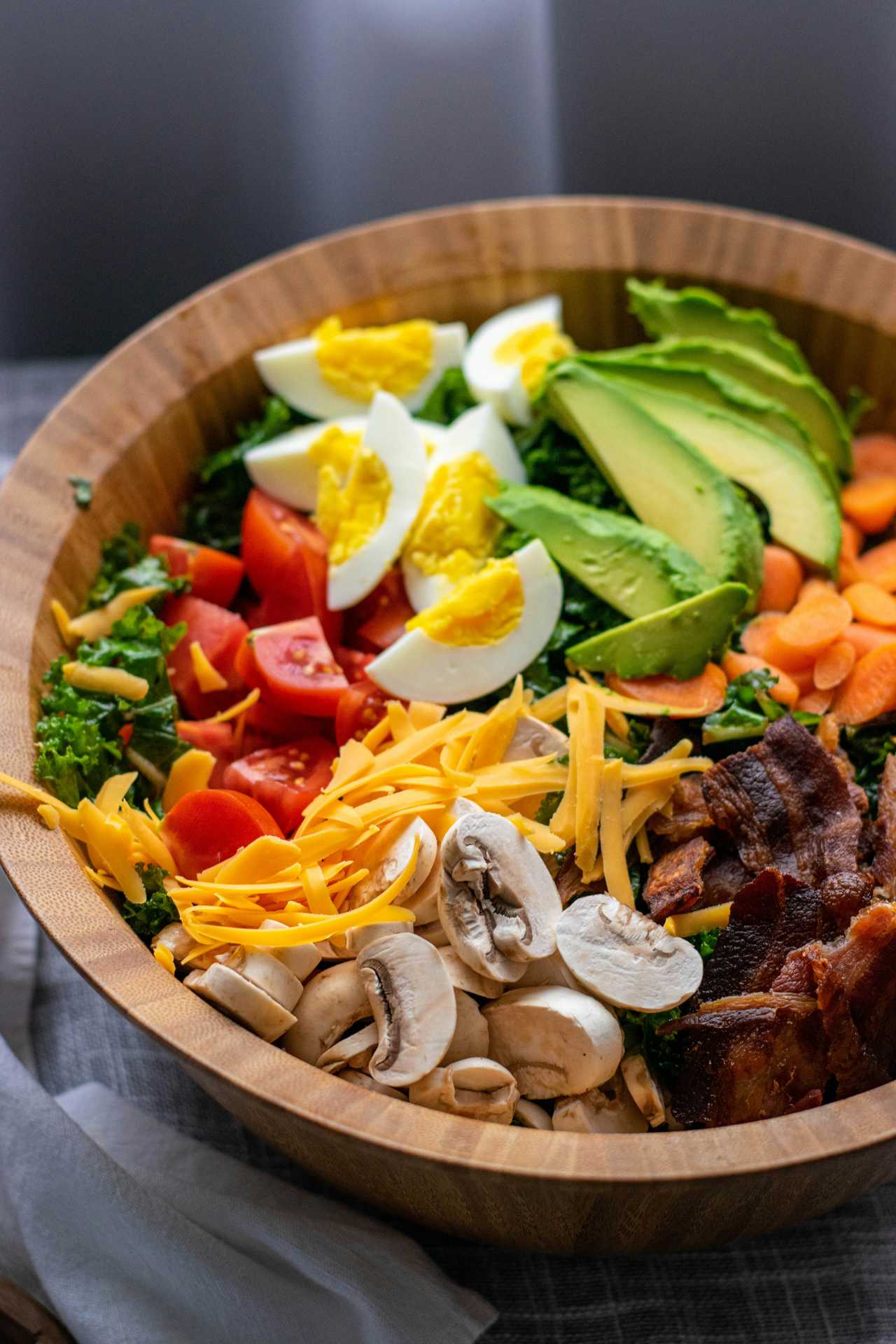
Pre-made salads and diet-positioned meals can also run higher than the listed amounts. Food Label Maker cited a Tufts University study that found pre-made meals averaged eight percent over stated calories, while restaurant meals averaged 18 percent over
For grab-and-go salads, the company recommends asking for dressing on the side and adding a 10 percent buffer when logging items labeled “lean,” “light,” or low-calorie
“Shoppers need to know which labels to question,” AbiHanna noted, “and brands need to tighten calorie accuracy now, because the dieters paying closest attention are the same shoppers most likely to sue.”
Click here
to follow Daily Voice and receive free news updates
