


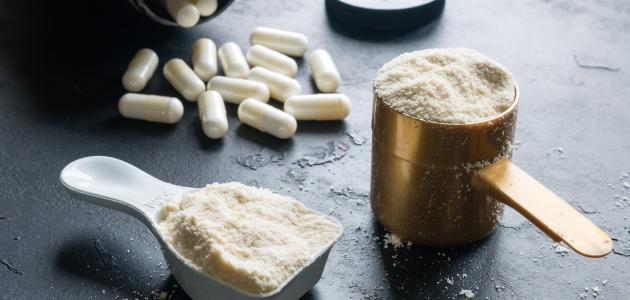
If you have been struggling to put on muscle or reach a healthier weight, you have likely come across the idea of using protein powder weight gain supplements. It seems like a simple math equation: drink a shake, gain mass. But is it really that straightforward? While protein powders are incredibly convenient, they aren’t magic bullets. They are simply tools to help you hit your daily nutritional targets when your busy schedule makes eating enough whole food a challenge
Understanding the Role of Protein in Muscle Growth
Think of your muscles like a construction project. To build them up, you need raw materials—specifically, amino acids. Research, including a notable review published in Sports Medicine, suggests that when you pair consistent resistance training with an adequate protein intake, you create the perfect environment for muscle hypertrophy. It’s not just about the powder; it’s about the intensity and frequency of your workouts. If you aren’t challenging your muscles, the extra protein won’t translate into extra size.
But here is the catch: whole foods are almost always superior. A chicken breast or a serving of Greek yogurt provides a complex matrix of micronutrients that a processed scoop of powder just can’t match. If you do choose to supplement, look for high-biological-value options. Whey protein, especially isolate, is a gold standard because your body absorbs it efficiently, making it ideal for that post-workout window
What Are You Actually Drinking?
Walk into any supplement store, and you’ll see a dizzying array of options. You have plant-basedhey and casein. The problem? Many of these tubs are loaded with hidden extras. Manufacturers often add excessive sugars, artificial thickeners, and flavorings to make them palatable. Some products pack as much as 23 grams of added sugar per serving, which can lead to energy crashes and unwanted fat gain rather than lean muscle
The Hidden Risks of Supplements
You might assume that because these products are on store shelves, they are strictly regulated. Unfortunately, that’s not quite how it works. In many regions, the FDA and similar bodies have limited oversight over the specific contents of these powders. This leads to a few concerns:
- Quality Control: Independent testing has occasionally found heavy metals like lead, arsenic, and mercury in various protein powders. These contaminants can sneak in through contaminated soil where the source plants were grown.
- Digestive Distress: If you are lactose intolerant, a standard whey concentrate might leave you feeling bloated or uncomfortable. Switching to an isolate or a plant-based alternative can often solve this.
- Unknown Long-Term Effects: We simply don’t have enough data on the long-term impact of consuming highly concentrated, processed protein supplements over many years.
Practical Tips for Healthy Weight Gain
If your goal is to gain weight, you need to be in a caloric surplus, but you want that to come from nutrient-dense:
- Frequent Eating: If you get full quickly, aim for five or six smaller meals throughout the day rather than three massive ones.
- Liquid Calories: If you struggle to chew enough food, make a homemade smoothie. Blend whole milk or yogurt with oats, nut butter, and fruit. It is a calorie-dense, nutrient-rich powerhouse.
- Add Density: Don’t just eat plain pasta or rice. Add olive oil, cheese, or seeds to your meals. It is an easy way to bump up your intake without feeling like you are forcing down extra volume.
- Resistance Training: You need to signal to your body that it should use those extra calories to build muscle tissue rather than just storing them as fat. Keep your lifting routine consistent.
Common Questions About Protein Supplements
Can I gain weight just by drinking protein shakes?Not necessarily. Protein helps build muscle, but to gain weight, you must be in a total caloric surplus. If you drink a shake but your overall daily intake is still too low, you won’t see the scale move. You need to combine the protein with enough healthy fats and complex carbohydrates
Is there a ‘best’ time to take protein powder?
While the ‘anabolic window’ is often hyped, the total amount of protein you eat throughout the day matters much more than the exact timing. That said, having a serving shortly after a workout can help with recovery and muscle protein synthesis
Are plant-based protein powders as effective as whey?
They can be, provided you choose a high-quality blend. Some plant proteins are lower in specific amino acids like leucine. To get the best results, look for a blend—like pea and rice—which creates a more complete amino acid profile similar to dairy-based proteins
Should I worry about heavy metals in my protein?
It is a valid concern. To minimize risk, look for brands that perform third-party testing and publish their certificates of analysis. Generally, egg-based or high-quality whey isolates tend to be cleaner than some of the cheaper, mass-produced plant-based powders that may have been processed in facilities with less rigorous standards
