


“Hearst Magazines and Yahoo may earn commission or revenue on some items through these links.”
Quick Overview
 $55 at newbalance.com
 $68 at lululemon.com
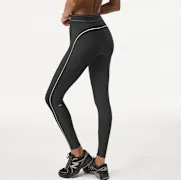 $144 at Alo
Lifting weights is about so much more than just growing seriously muscular arms—it’s also key to building functional strength that will carry you through the rest of your life
After age 30, we begin to naturally lose muscle through a process called sarcopenia, says Nikki Ternay, CPT, a health and fitness coach and founder of MavenHeart, an empowerment program for women over 40. And for women, changing estrogen levels during perimenopause and menopause can accelerate this process, especially as you reach your 50s
Advertisement
The antidote? Strength training, which can stimulate muscle growth and help maintain bone density, mobility, and overall health, says Ternay. Having muscle mass can contribute to disease prevention, too. The higher your muscle to fat mass ratio is, the less likely arthritis, diabetes, osteoporosis, high blood pressure, heart disease, and obesity are to occur, according to Ternay. Muscle burns a lot of energy and helps keep your blood sugar stable, which can even lower your chances of developing type 2 diabetes, she adds.
Building—and maintaining—muscle after 50 takes a concerted effort. But one thing is for certain: Your future self will never regret it. Here’s how to do it effectively
How to Build Muscle After 50
Lean into lifting
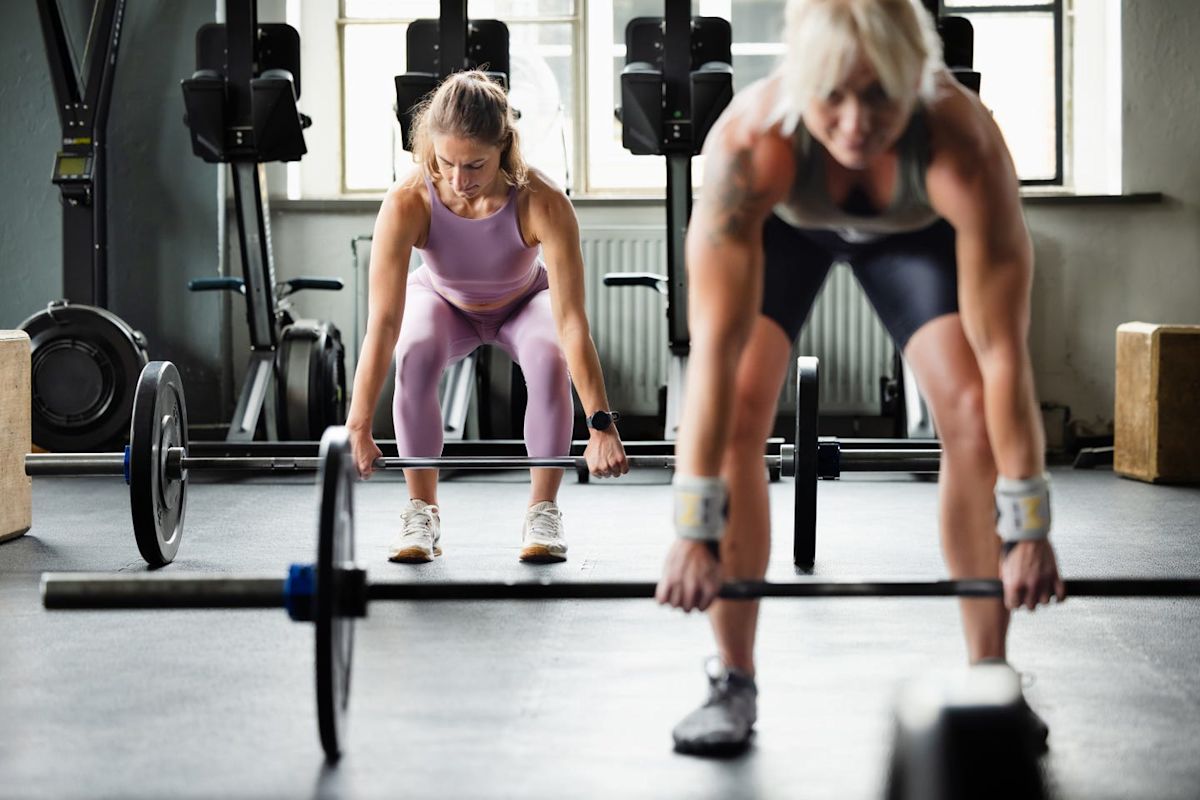
Aim to incorporate resistance training at least three days per week, focusing on key muscle groups like legs, back, and core as you build up your routine, says Ternay. Target each muscle group with at least two to three exercises per session, and for each one, perform 6 to 12 reps and 3 to 5 sets per exercise, with 60 to 90 seconds of rest between sets. (Beginners can start with fewer sets per muscle group and gradually increase over time.) Lastly, choose a weight that makes the last couple reps of each set feel challenging, but still doable with proper form.
Here’s a sample week workout plan:
Day 1: Full-body workout (legs, back, core)
Day 2: Rest or low-impact light movement/active recovery (think: walking, biking, swimming, or stretching)
Day 3: Full-body workout (chest, shoulders, arms, core)
Day 4: Rest or low-impact light movement/active recovery
Day 5: Full-body workout (legs, back, chest, core)
Day 6: Rest and active recovery (light movement like walking, stretching, or biking)
Advertisement
Before you start lifting weights, it’s important to learn how to perform exercises with proper form.This ensures you’re working the correct muscles and avoiding injury. If you’re new to lifting, Ternay recommends seeking guidance from a reputable trainer, in person or virtually, to make sure your technique is correct and personalize a program that is appropriate for your age and fitness level. But learning proper form doesn’t have to feel overwhelming—start by focusing on <a href="https://www.womenshealthmag.com/fitness/a44302167/best-bodyweight-exercises/” rel=”nofollow noopener” target=”_blank”>bodyweight exercises like squats, lunges, and pushups to understand how your body moves, what feels good, and what feels challenging to you. From there, you can gradually incorporate weights and resistance exercises.
Warming up is worthwhile (and so is cooling down)
As you get older, it takes a little longer to get your muscles primed and ready for a workout. Warming up prior to a strength sesh prepares your body to do the work by increasing circulation, ultimately resulting in decreased risk of injury. Pretty good deal, huh?
The ideal time frame for a warmup is 15 to 20 minutes, performing movements that increase your heart rate at a slow and steady rate, says Ternay. Gentle walking is a great warmup choice to do anywhere, or jump on a stationary bike if you’re in the gym. Bodyweight moves like planks and squats work well for priming the body ahead of a workout, too. (Check out more great warmup exercises for any workout.)
Just like you ease into your workout, you should ease out of it as well. The cooldown allows the body to return to its regular temperature and brings the heart rate back down a little slower—a safer approach than just stopping your workout abruptly, Ternay says
Advertisement
A good cooldown could include gentle stretching, light walking, or using a foam roller (or even a massage gun) to release any muscle tension. Spend 10 to 15 minutes on your cooldown to give your body time to adjust and reduce post-workout soreness
Don’t skip the stretching
Focusing on flexibility becomes even more important—not only for workouts but for everyday activities—as we age. Better mobility means you’ll be able to reach and bend with greater ease, with less strain and risk of injury. In your workouts, specifically, you’ll be able to get in the proper position to perform your exercises safely and for maximum benefits. Not to mention, a good base of mobility helps loading and unloading weights feel a little more manageable
Ternay recommends picking three to five dynamic (moving) stretches and doing each one for 30 to 60 seconds, for a total of at least five minutes. Dynamic stretches like leg swings or arm circles prepare your muscles for movement by increasing mobility. Follow dynamic stretching with about 10 minutes of static stretching, such as holding a hamstring or quad stretch for 20 to 30 seconds, which helps increase flexibility and reduce tension
Eat enough protein
Proper nutrition is also part of an integral part of building muscle after 50. Protein helps rebuild your muscle post-workout, allowing for strength gains. Without adequate protein intake, you won’t be able to get ahead of age-related muscle loss, regardless of your workouts.Aim to get 25 to 30 grams of protein per meal, especially if you’re eating three meals a day
Get your mind right
Try to approach your workouts as a way to celebrate your body, not punish it. For women over 50, this mindset shift can be especially powerful. Rather than focusing on burning calories or “undoing” something you ate, view exercise as a long-term investment in your health, energy levels, and independence. “Exercising is a way of taking care of your body and giving you a better chance at a long life of living independently,” Ternay says
Shop Our Favorite Workout Clothes
New Balance Essential Run Bra
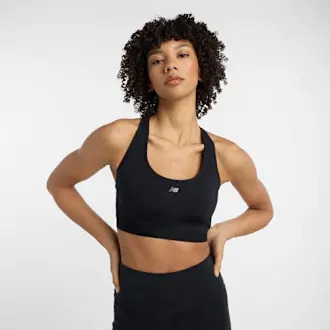
Courtesy
Lululemon Ebb to Street Tank Top
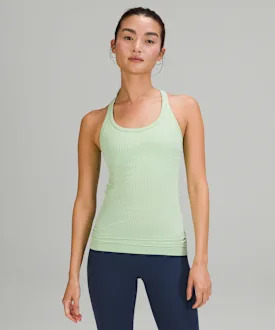
Courtesy
Alo Airlift High-Waist Suit Up Legging
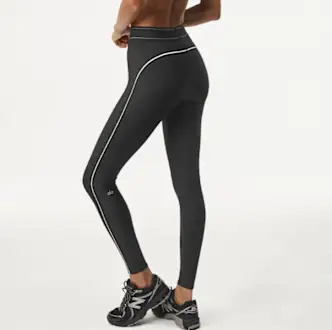
Courtesy
Best Muscle-Building Workouts for Women Over 50
Not sure where to start? Check out the WH+ Strong After 50 Plan, which guides you through four weeks of science-backed workouts to build full-body strength, along with nutrition tips and expert advice
Advertisement
Check out the WH+ Strong after 50 workout plan
Once you’re done with that plan, here are some excellent muscle-building workouts for beginners and avid exercisers over 50 alike. These workouts build a strong foundation to support everyday activities and healthy aging, starting with bodyweight exercises and moving into more advanced moves as you progress
The more muscle mass you have, the better you’ll feel and function, meaning greater independence in how you can move your body and live your life. Building strength helps build security for your future health, whether that means being able to travel, take care of your family, or simply move around comfortably as you age
You Might Also Like
I’ve Tried Hundreds Of Clothing Brands, But These 10 Are My Favorite
A Doctor Shares The 3 Most Important Changes For Losing Fat And Building Muscle
This Fitness Tool Adds Resistance To Cardio And Strength Training—Here Are 3 I Recommend To Clients
