


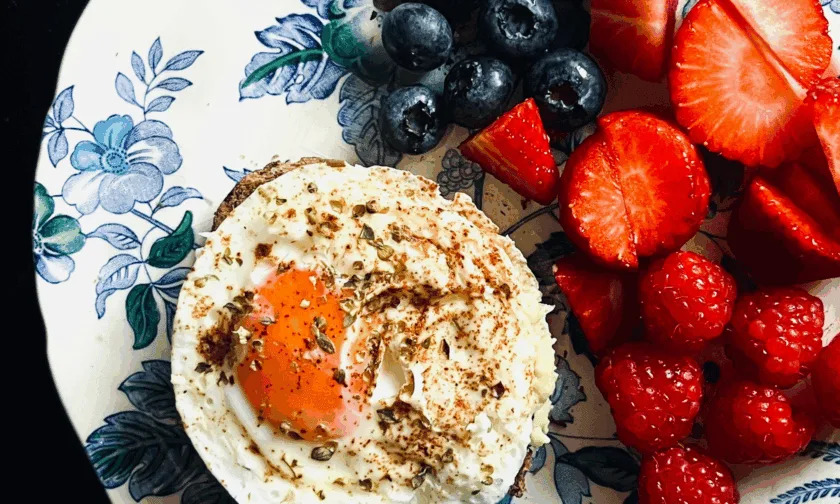
- TikTok’s “3-color rule” encourages including at least three different colors of fruits and vegetables on your plate, based on the idea that different colors provide different beneficial plant compounds.
- The rule simplifies healthy eating by focusing on variety and encouraging the consumption of a wider range of nutrients and plant compounds, making it an easy and effective way to improve nutrition.
- Keeping colorful staples in the refrigerator and making small additions to meals can help individuals easily incorporate the 3-color rule into their daily eating habits, promoting a simple yet impactful approach to healthier eating.
Every few months, a new nutrition trend takes over social media. Most fade away as quickly as they appear, but every now and then one catches on because it’s built on advice that’s been around for years
That’s the case with TikTok’s “3-color rule.” The idea is simple: try to include at least three different colors of fruits and vegetables on your plate. No calorie counting. No tracking macros. Just a quick visual check before you eat
It may sound a little gimmicky, but the science behind it is anything but
Why Eating More Color Is Good for You
The different colors in fruits and vegetables aren’t just there to make your plate look more appealing. They’re created by natural plant compounds called phytonutrients, and different colors tend to provide different types of these beneficial compounds
Advertisement
For example, tomatoes get their red color from lycopene, sweet potatoes are rich in the orange pigment beta-carotene, and blueberries owe their deep blue-purple hue to anthocyanins. These compounds have been studied for their roles in supporting heart health, brain health, immune function, and the body’s natural defenses against oxidative stress
Research has consistently found that people who eat a greater variety of colorful fruits and vegetables also tend to consume a wider range of nutrients and beneficial plant compounds. While color isn’t a perfect measure of nutrition, it’s an easy way to encourage more variety, and variety is something dietitians have recommended for decades
Why the 3-Color Rule Works
The biggest strength of the 3-color rule is that it simplifies healthy eating
Instead of worrying about grams of protein, fiber targets, or calorie limits at every meal, you’re asking yourself one straightforward question: How can I add one more color?
Advertisement
That small shift naturally encourages you to eat more fruits and vegetables without making food feel like a math problem
Of course, color isn’t everything. White mushrooms, onions, cauliflower, and garlic are all incredibly nutritious even though they don’t add much color to your plate. And three colorful processed foods don’t magically become a healthy meal
Think of the rule as a guide, not a grading system
How to Make the 3-Color Rule Easy
The easiest way to follow the rule starts before you cook
Keeping a few colorful staples in the refrigerator—like leafy greens, cherry tomatoes, carrots, berries, bell peppers, or purple cabbage—makes it much easier to build colorful meals without much planning
Advertisement
If dinner ends up looking mostly beige, you don’t need to start over. Toss a handful of spinach into your pasta, slice up a few cucumbers, or add a side of fruit. Small additions can make a meaningful difference over time
A Simple Habit That’s Easy to Stick With
Nutrition advice doesn’t always have to be complicated
The reason the 3-color rule has resonated with so many people is that it turns a decades-old recommendation—eat a wide variety of fruits and vegetables—into something you can remember in seconds
It’s not a magic formula, and it won’t replace an overall healthy diet. But if it helps you eat more plants, more variety, and a broader range of nutrients, that’s a trend worth keeping around
Advertisement
The post TikTok’s 3-Color Rule Is One Nutrition Trend Worth Trying appeared first on Clean Plates
