



In a Hyrox competition, running remains one of the biggest separators between athletes. The race, which combines eight one-kilometre runs with eight demanding workout stations, forces competitors to maintain pace while carrying fatigue from movements like sled pushes and burpee broad jumps
Runners carry a huge advantage because they enter with much higher base-level endurance, even when they feel out of practice. That stronger foundation translates well to Hyrox, where success comes from repetitive strong aerobic efforts, even with compounding fatigue. Another bonus? Runners, unlike most competitors, will enjoy and likely appreciate the running portion
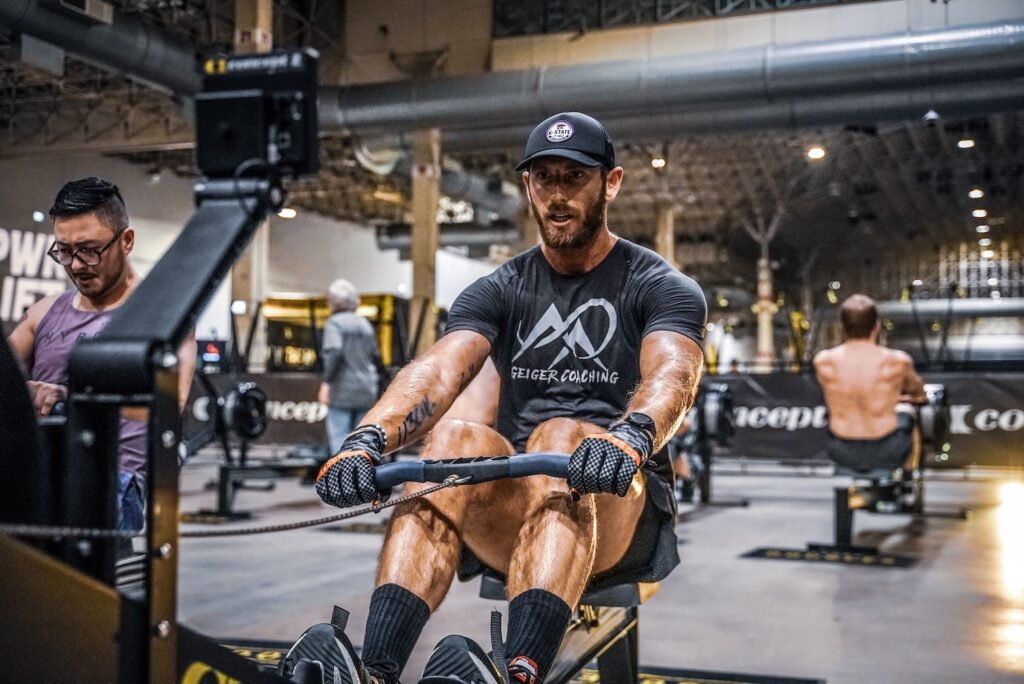
Arizona’s Ryan Geiger, owner of the global elite hybrid coaching group, Geiger Coaching, says athletes looking to enter Hyrox should first build the running and strength foundation needed to handle the event’s unique demands. Diving straight into compromised running workouts, or Hyrox simulations, where athletes run while fatigued from station work, can place significant stress on the body. Without proper preparation, fatigue can cause mechanics to break down during both the runs and strength portions, increasing injury risk.
Build your foundation
Before adding Hyrox-specific sessions, athletes should be comfortable completing regular running intervals and threshold workouts, plus two weekly strength sessions. Geiger recommends progressing weekly threshold runs over six weeks, beginning with 5 x 800m and building to mile repeats with up to 90 seconds rest. In strength sessions, include both a squat and hinge movement (i.e. back squats and deadlifts) plus upper body and core work
The goal is to prepare athletes to manage cumulative fatigue from running just below threshold level while recovering from high-power efforts at strength stations
“Your body always relies more heavily on slow-twitch fibres, which are more resilient and efficient, first,” Geiger told Canadian Running. “But as they fatigue, your body must recruit [more] fast-twitch fibres.”
Training high-power running under fatigue helps athletes adapt to the physical and mental demands of the second half of a Hyrox race, when maintaining pace becomes increasingly difficult
Geiger’s Hyrox-specific track workout
This session combines threshold running with faster intervals to mimic the fatigue experienced during a Hyrox competition
Activation
Geiger prescribes a simple warmup focused on activation and preparing for explosive movements. Rest 30 seconds between sets
- 3 x 30-second glute bridge hold
- 3 x 10 reps of glute bridge thrusts
- 3 x 20 soleus raises in glute bridge
Plyometric activation and drills
- 2 x 10 air squats (first five reps of each set to half depth, next five to full depth)
- 2 x 20 seconds pogo (two-foot) hops
- 2 x 20 seconds stationary butt kickers
- 2 x 20 seconds high knees
Running warmup
Complete a 1,600m progression run, increasing the pace every 400m and reaching 95 per cent of your threshold pace in the final 400m. Rest two minutes

Main workout
Run the longer efforts at threshold pace and the 200m intervals at approximately 110 per cent of threshold pace
Set 1:
- 1,600m at threshold
- Rest one minute
- 2 x 200m with 200m of easy jogging between reps
- Rest one minute
Set 2:
- 1,200m at threshold
- Rest one minute
- 4 x 200m with 200m of easy jogging between reps
- Rest one minute
Set 3:
- 800m at threshold
- Rest one minute
- 6 x 200m with 200m of easy jogging between reps
Finish with an easy 800m cooldown jog
U Sports XC Champion dominates Hyrox World Championships
How to determine threshold pace
Threshold pace is typically the fastest pace you can sustain for roughly 45–60 minutes. It often falls around 85–90 per cent of your max heart rate
Athletes can estimate threshold pace by:
- Completing a hard but controlled 30-minute run and using the average pace from the final 20 minutes
- Adding roughly 15–25 seconds per kilometre to 5K race pace
- Adding roughly 5–15 seconds per kilometre to 10K race pace
- Using half-marathon pace as a close estimate
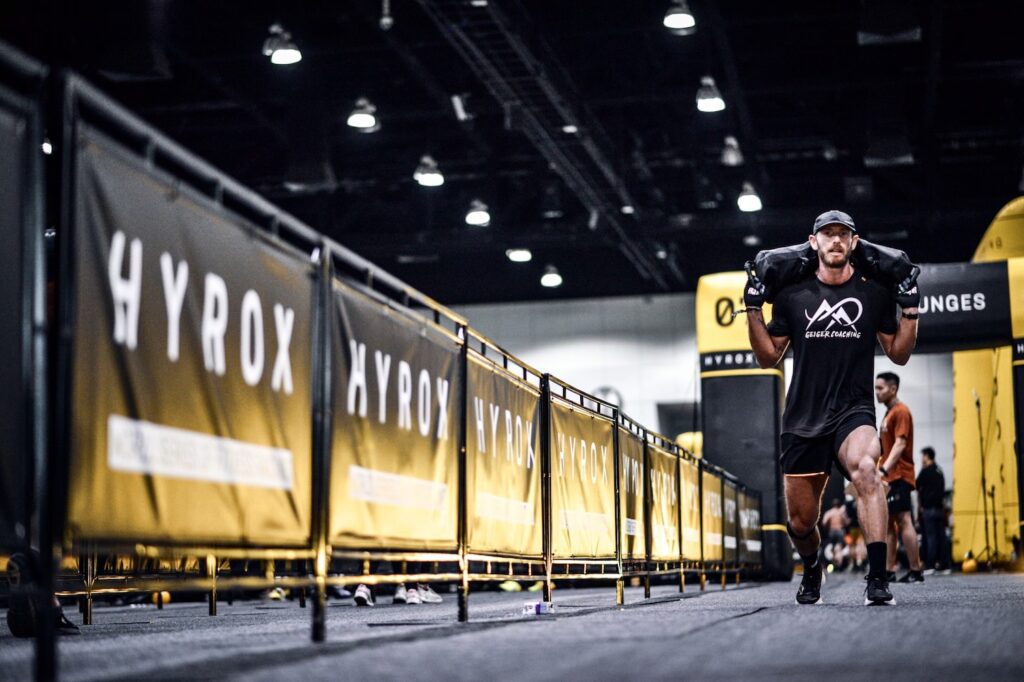
More about Ryan Geiger
Geiger’s coaching background steps from his professional mountain biking career, during which he competed at both the World Cup XC and World Cup Enduro levels. Through Geiger Coaching, he works with athletes ranging from first-time Hyrox competitors to elite hybrid athletes
