


<img src="https://healthylife7.com/wp-content/uploads/2026/07/lfiz6alqo4c681cg.jpg" alt="NYC Legionnaires’ <a href="https://healthylife7.com/what-is-the-cdc-doing-to-stop-the-cyclosporiasis-outbreak/” title=”What is the CDC doing to stop the cyclosporiasis outbreak?”>outbreak grows to 59 cases; 15 people currently hospitalized”>
NYC Legionnaires’ outbreak grows to 59 cases; 15 people currently hospitalized
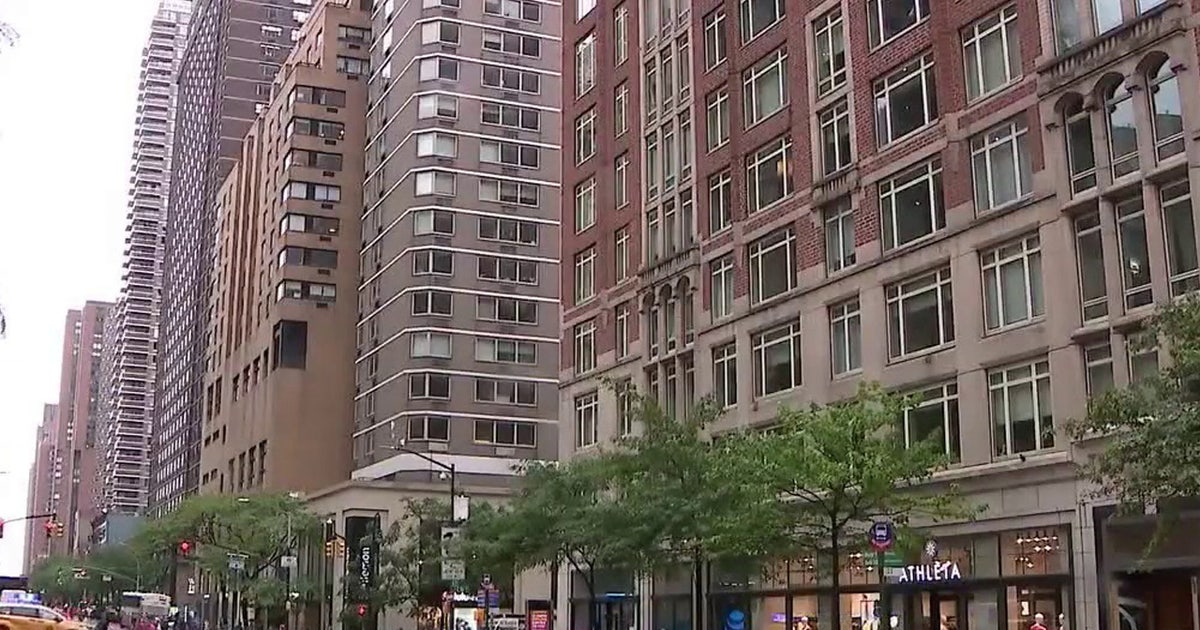
The NYC Health Department has updated its case count, confirming 59 cases of Legionnaire’s disease on Manhattan’s Upper East Side. Currently, 15 individuals are hospitalized. FOX 5 NY’s Jessica Formoso has the latest details
NEW YORK CITY -A Legionnaires’ disease cluster on the Upper East Side has grown to 59 cases, according to the NYC Health Department’s latest update on Monday morning
The NYC Health Department is investigating a community cluster of Legionnaires’ disease in the Upper East Side neighborhoods of Carnegie Hill and Yorkville. The affected ZIP codes are 10028, 10128 and 10075. As of Monday, health officials reported:
- 59 total cases
- 15 people currently hospitalized
- 33 people discharged
- 11 people who were not hospitalized
- 0 deaths
City health officials said the cluster is not tied to any building’s plumbing system. Residents in the affected ZIP codes can continue to drink tap water, bathe, shower, cook and use home air conditioning, according to the Health Department
Cooling towers under investigation
Last week, the Health Department released a preliminary list of several buildings with cooling towers that tested positive for Legionella bacteria in an initial PCR screening. City officials said all buildings were ordered to immediately clean and disinfect their cooling towers
However, health officials emphasized that a positive PCR test does not confirm that a building is thenella bacteria, but it cannot determine whether the bacteria are alive or dead
The Health Department said culture testing was underway and could take up to two weeks
Virtual town hall scheduled
What’s next:
The NYC Health Department will hold a virtual town hall on the Legionnaires’ disease cluster investigation at 6 p.m. Residents can join the meeting on Zoom, according to the Health Department.
A dial-in option is also available at 646-828-7666. The webinar ID is 165 922 6004
What is Legionnaires’ disease?
The backstory:
Legionnaires’ disease is a type of pneumonia caused by Legionella bacteria, which can grow in warm water. People can become sick when they breathe in water vapor, or mist, that contains the bacteria
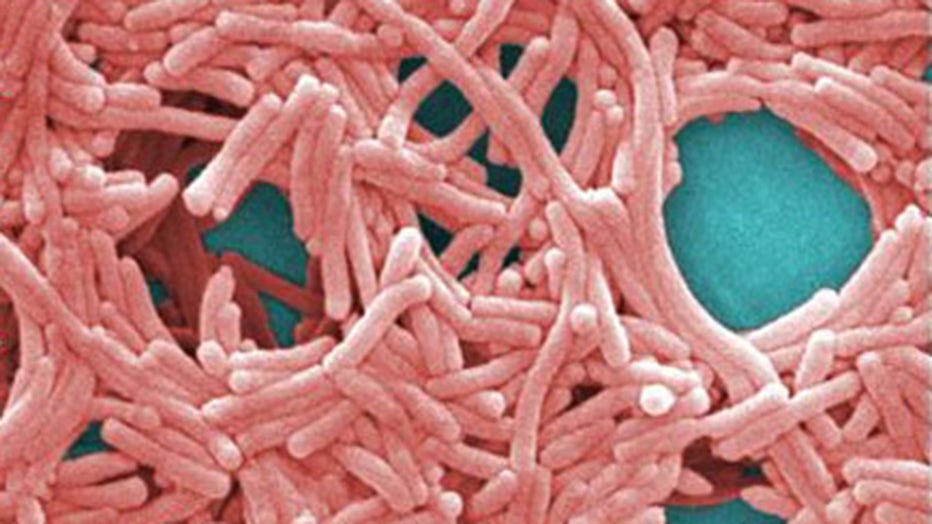
A digitally colorized scanning electron microscopic image of a grouping of Legionella pneumophila bacteria. (CDC Image)
The disease is not contagious and does not spread from person to person. NYC health officials said people cannot get Legionnaires’ disease from drinking water, cooking or using air conditioning. The bacteria also does not spread through cooled air from air conditioners
Symptoms to watch for
Symptoms can include fever, chills, muscle aches and cough. People may also experience headaches, fatigue, loss of appetite, confusion or diarrhea
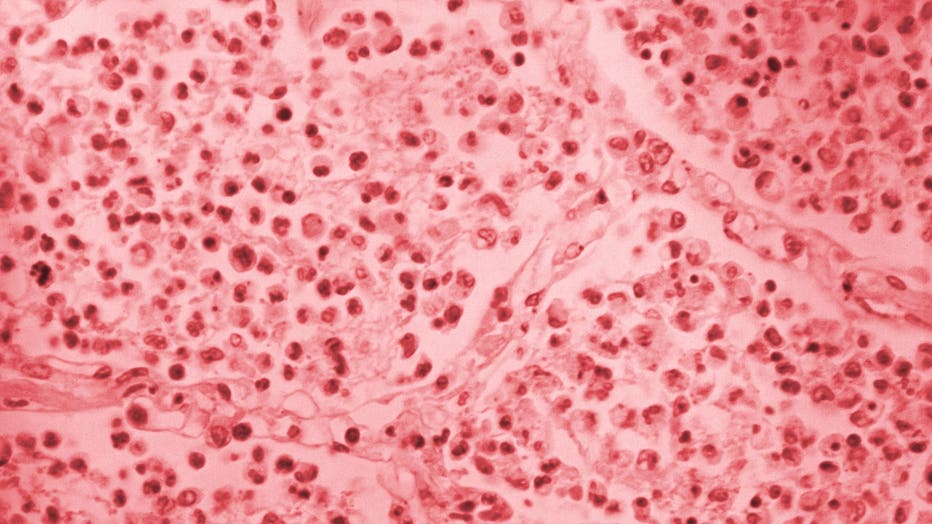
Photomicrograph of a lung tissue biopsy from a patient with Legionnaires disease shows intra-alveolar exudate composed of macrophages and polymorphonuclear (PMN) leukocytes, 1978. Image courtesy CDC. (Photo by Smith Collection/Gado/
Health officials said anyone who lives or works in the affected area, or anyone who has visited the area since late June, should contact a health care provider immediately if they develop flu-like symptoms such as cough, fever or difficulty breathing
Who is at higher risk?
Most people exposed to Legionella bacteria do not develop Legionnaires’ disease
People are at higher risk if they are 50 or older, smoke or vape, have chronic lung disease, have a weakened immune system or take medication that weakens the immune system
What you can do:
The Health Department said the data remains preliminary and subject to change. New Yorkers who need help finding a health care provider, regardless of immigration or insurance status, can visit NYC Health + Hospitals or call 311 or 844-NYC-4NYC
Upper East SideHealth
