


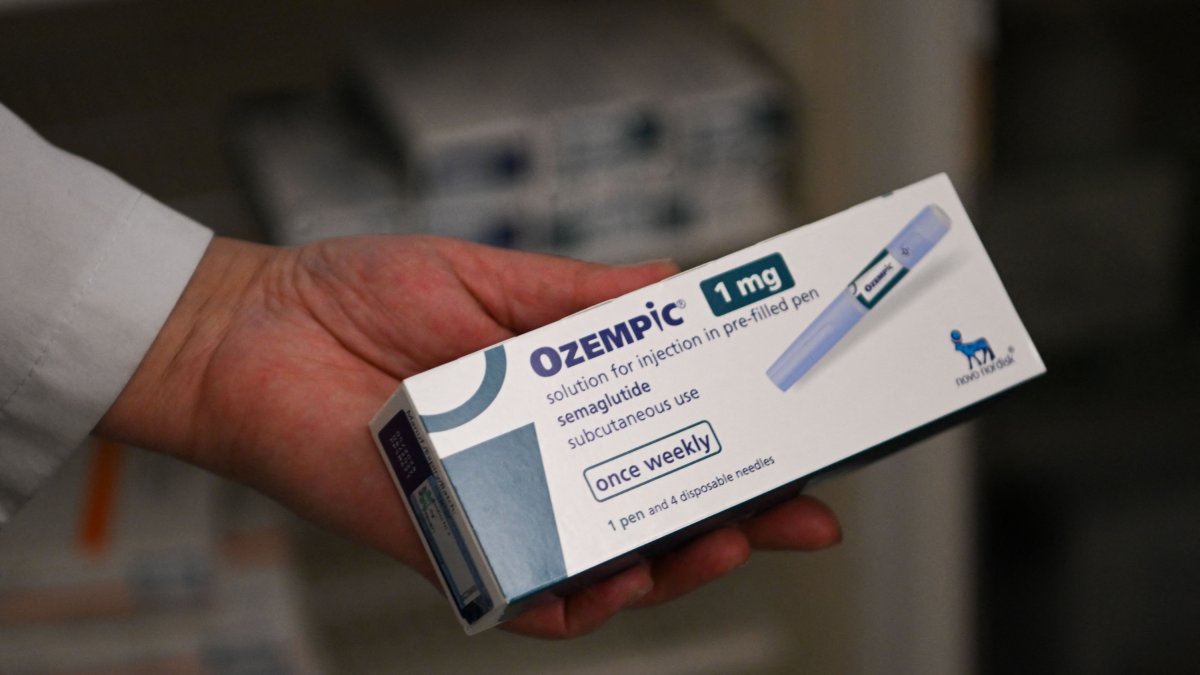
Use of GLP-1 medications for <a href="https://healthylife7.com/study-finds-most-weight-loss-drugs-including-wegovy-and-mounjaro-do-not-improve-quality-of-life/” title=”Study finds most weight loss drugs including Wegovy and Mounjaro ‘do not improve quality of life’”>weight loss is skyrocketing in the country
A Gallup report reveals that the percentage of Americans using these drugs has nearly quadrupled since 2024. The data points to a decline in obesity, while diabetes rates remain stable and pricing is driving the boom in pharmacy-compounded versions
Topics:
- Ozempic
- Top stories
In just a few years, GLP-1 weight-loss medicines have gone from being a relatively niche option to becoming a far-reaching health phenomenon in the country. According to a new report by Gallup, 11% of American adults currently use one of these weight-loss treatments, nearly four times the 3% recorded in 2024
This growth is also reflected in cumulative use. Fifteen percent of adults say they have ever taken medications such as semaglutide or tirzepatide to lose weight, 9 percentage points more than two years ago. At the same time, awareness of these treatments is now virtually universal: 91% of the population says they are familiar with them, up from 80% in 2024
The data comes from the Gallup National Health and Well-Being Index, based on a survey conducted between late May and early June 2026of more than 5,000 U.S. adults
Obesity declines after reaching record highs
The rise in GLP-1 use coincides with a trend that researchers consider particularly significant: thedecline in obesity nationwide
After reaching an all-time high of 39.9% in 2022, the obesity rate among adults has fallen to 36.4% so far in 2026. Gallup notes that there is an inverse correlation between the two phenomena: as the use of these medications increases, the prevalence of obesity decreases
Diabetes, on the other hand, shows a different trend. After 15 years of gradual growth, the proportion of Americans diagnosed with this disease has stabilized since 2023. According to Gallup, this trend is consistent with a reduction in obesity, as a lower incidence of overweight individuals can slow the emergence of new cases, although it does not reduce the number of people already living with the disease
Economy
Novo Nordisk to reduce prices for its medicines Ozempic and Wegovy
Williams Perdomo
Brand-name drugs continue to dominate
Although the market continues to be led by brand-name drugs, new, more affordable alternatives are emerging
Sixty-eight percent of those currently using a GLP-1 take commercial versions such as Ozempic or Wegovy, while 19% use pharmacy-compounded or personalized mixes.Twelve percent admit they are not sure exactly what type of medication they are using
Despite the predominance of brand-name drugs, differences in perceived efficacy are small. Seventy-four percent of brand-name drug users consider the treatment to be effective or extremely effective, compared to 77% among those using compounded medications
Price drives shift toward compounded medications
One of the report’s most notable findings is the growing shift toward pharmacy-compounded versions
More than one-third (35%) of those currently using compounded medications had previously started with a brand-name medication. Conversely,only 10% of brand-name users had previously used a compounded version
Cost as a priority
The main explanation is financial. Among those who switched from a brand-name medication to a pharmacy-compounded version, 66% cited cost or insurance coverage as the primary reason for the switch—nearly double the rate among those who made the reverse switch (34%).This price difference is expanding access to weight-loss treatments and could explain much of the growth seen in GLP-1 drugs over the past two years.
x
