


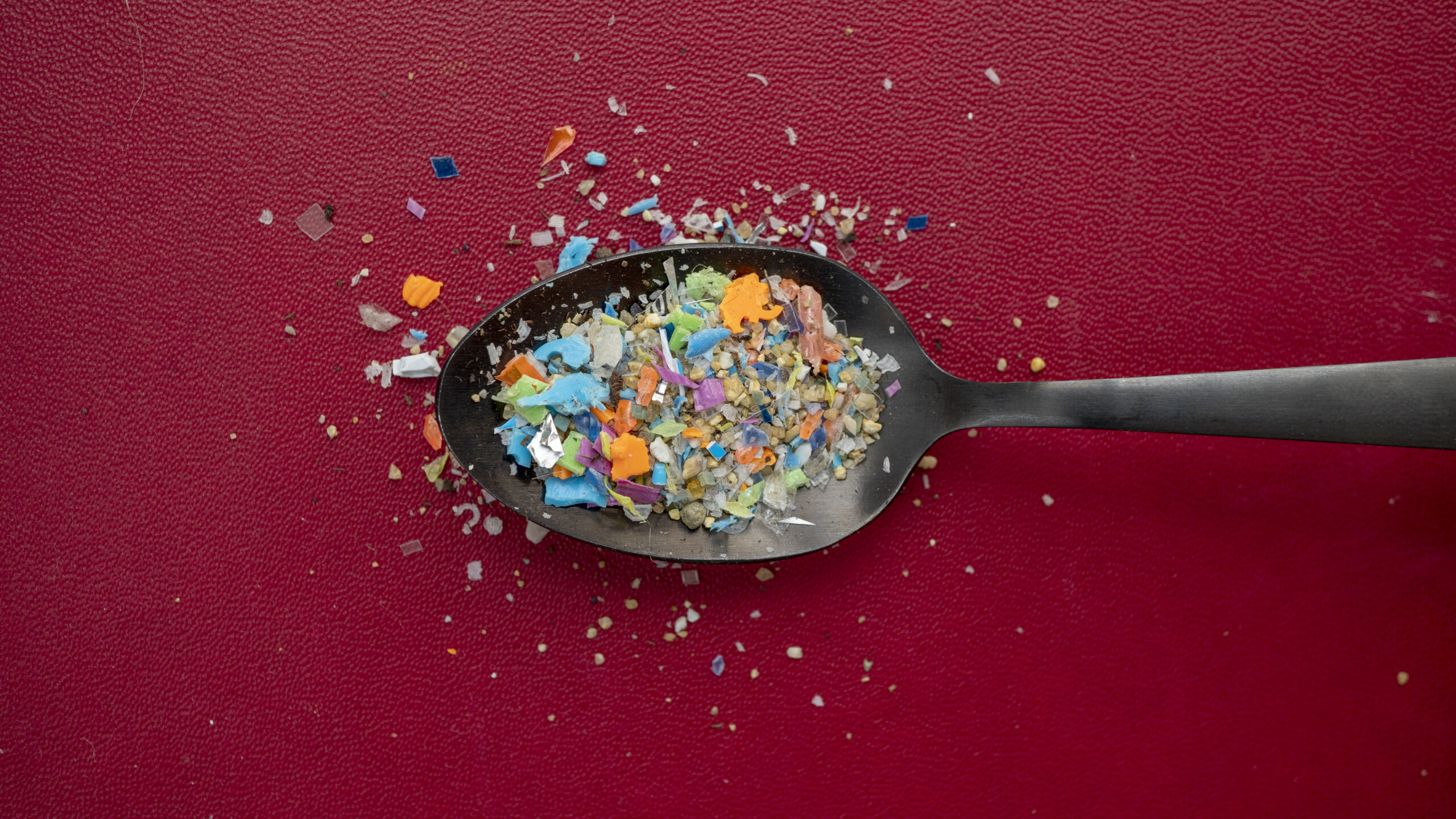
It’s become impossible to avoid microplastics; they’re in the air we breathe, the water we drink, the products we use around the house and, yes, even the food we eat. A 2024 scoping review found that microplastics have been detected in eight of 12 human organ systems, including the cardiovascular, respiratory, digestive and reproductive systems
While it can be tough to avoid microplastics entirely, there are certain foods you may want to approach with more caution than others. To find out which foods are more likely to contain microplastics and how we can limit our exposure to them, we spoke with a doctor
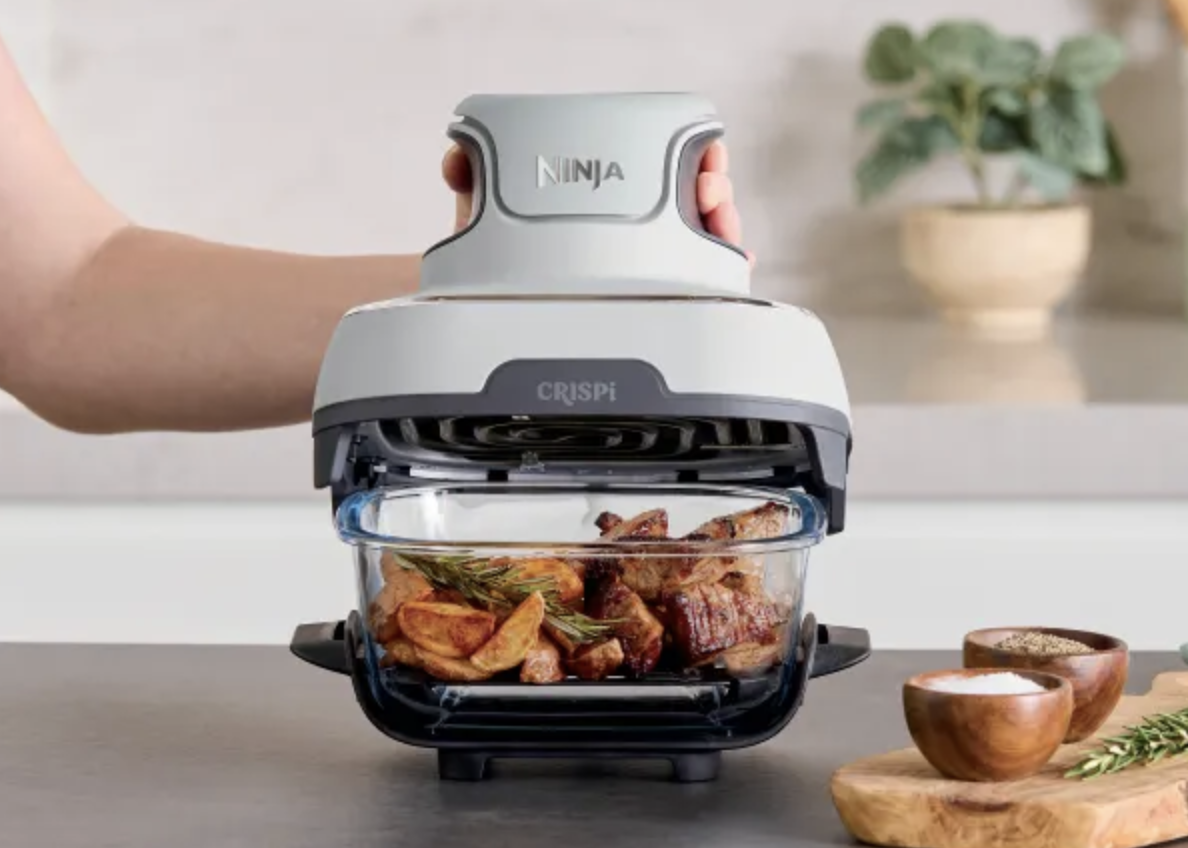
CNET’s Favorite Nontoxic Air Fryer
Ninja Crispi
How many microplastics are considered unsafe?
“There is no officially established ‘safe’ or ‘unsafe’ level of microplastic intake. It makes sense to want your exposure to be as low as possible,” Dr. Joseph Mercola, a board-certified family medicine osteopathic physician, told CNET in an email.
Microplastics can enter our food due to contamination at the sites where the food was grown, raised or processed. Mercola explained that using plastic mulch and plastic seed coatings in agriculture and irrigation with contaminated water are among the various ways microplastics can end up in food. Plastic packaging, utensils and containers are additional
According to the US Food and Drug Administration, current evidence doesn’t suggest that microplastic levels in food pose a risk to us. However, you might still want to minimize the microplastics you passively consume. These are the most common foods that contain microplastics, and the measures you can adopt to reduce your plastic intake
The top 8 foods in your diet that may contain microplastics
1. Seafood
One of the most significant ways plastic particles end up in our food is through single-use plastics that break down and enter waterways and soil. When they reach the oceans, they end up in our seafood
“Microplastics are then taken up by plankton and mistaken for food by fish and shellfish,” Mercola said. “The tiny particles accumulate in the flesh … then end up on our plates.”
A recent study published by Portland State University discovered a variety of microplastics in 180 out of 182 tested seafood samples. Microfibers are the most common type of microplastic found, but they aren’t the only ones that end up in our oceans
How to avoid it: While you can’t control how many microplastics your fish ate before it got to your plate, you can reduce the amount of filter feeders and bottom feeders you choose to eat (e.g., clams, mussels, oysters, catfish, halibut, flounder and cod). These types of seafood are exposed to higher amounts of microplastics. Also, choose seafood at the store that uses sustainable packaging rather than plastic wrap.

2. Tea bags
Polypropylene is often used to make tea bags, and even if you choose paper tea bags, they can still contain microplastics. The issue is that when the bags come into contact with hot water, microplastics may be released into your tea.
Researchers at the Autonomous University of Barcelona discovered that polypropylene tea bags can release billions of plastic particles, and nylon and cellulose tea bags can release millions
How to avoid it:You don’t have to stop drinking tea. Switch to loose-leaf tea and invest in a stainless steel diffuser to enjoy your tea free of microplastics
3. Rice
Rice is also a hotspot for microplastics. A University of Queensland study found that for every half cup of rice, there are 3 to 4 milligrams of plastic. If you use instant rice packets, that number is four times higher, at 13 milligrams
How to avoid it:The study found that washing your rice can reduce plastic contamination by 20% to 40%, though it used filtered water for rinsing
4. Salt and sugar
When you top off your dinner with a sprinkling of salt, you’re getting an unintentional side of microplastics. It’s hard to outrun salt. It’s in almost everything we eat, and our bodies need a certain amount of sodium to keep our fluids and electrolytes balanced
One study found that 90% of the 39 sampled salt brands worldwide contained microplastics. This likely results from environmental contamination and the production and packaging process, which includes plastic. Microplastics have also been found in sugar
How to avoid it:To reduce your exposure to microplastics in your salt and sugar, you can buy them packaged in glass or cardboard
5. Bottled water
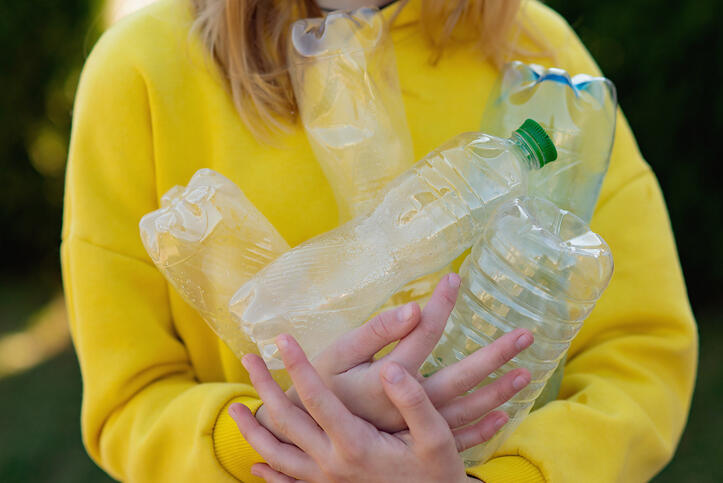
Bottled water is one of the most well-known sources of micro and nanoplastics. One study estimated that there are about 240,000 plastic particulates in a liter of bottled water. Most plastic water bottles you buy at the store are made from polyethylene terephthalate, or PET, plastic, so it wasn’t surprising to see it represented. Plastic particles break apart when bottles are squeezed or exposed to heat. And PET plastic isn’t the only type of nanoplastic researchers have found in plastic water bottles.
How to avoid it: Drinking tap water from a stainless steel or glass container can reduce your risk of ingesting plastic particles
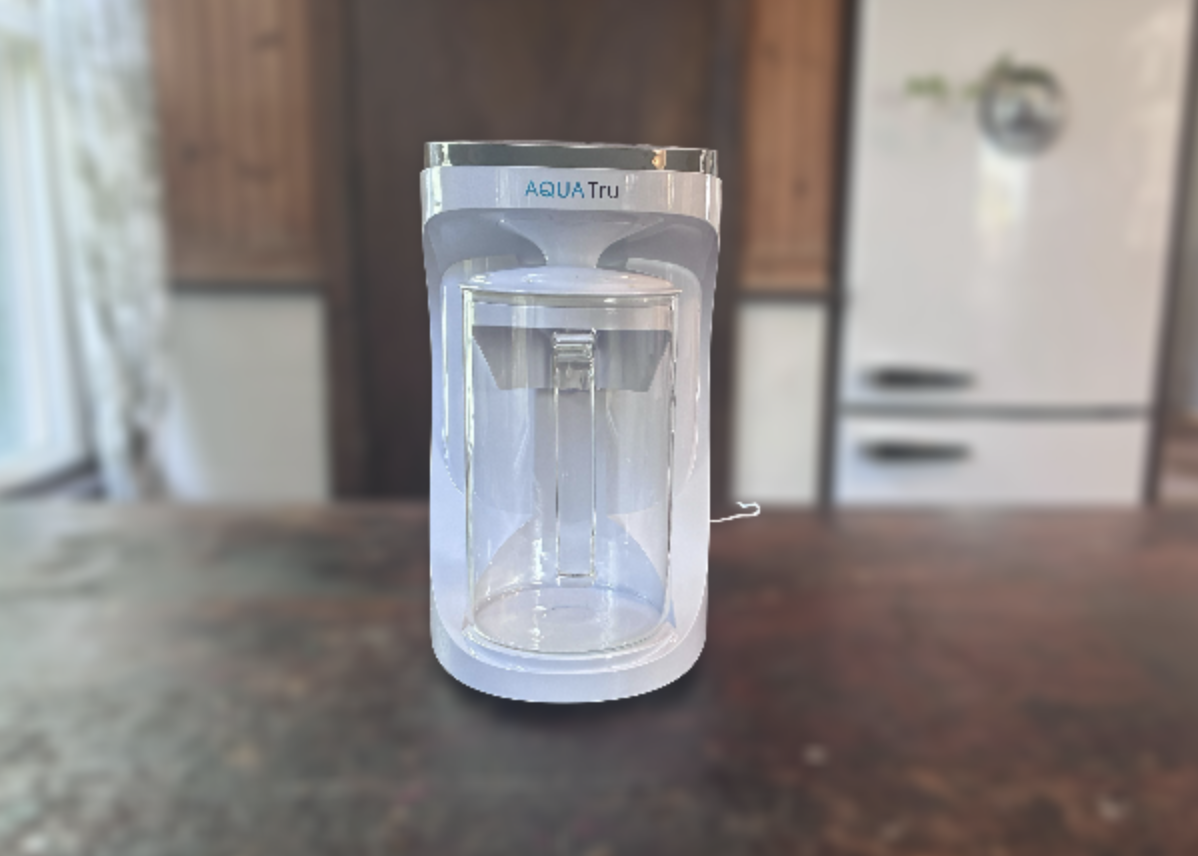
AquaTru Carafe Countertop Water Purifier
$375 at Best Buy$375 at Amazon
6. Honey
You might not expect your honey to harbor microplastics, but it does, even if it’s in a glass jar. Microplastic fibers can be traced back to bees and pollution. One study exploring whether microplastics ingested or carried by honeybees were incorporated into hives found that bees can continue dispersing microplastics through honey
How to avoid it: Buying honey from local beekeepers who often use more natural and sustainable harvesting methods may reduce the risk of microplastic contamination
7. Fruits and veggies
Vegetables and fruits are an essential part of a balanced diet. They can also contain microplastics. One study that sampled fruit and vegetables found that apples were the most contaminated fruit and carrots were the most contaminated vegetable. How does this happen?
“Plants have been shown to uptake micro- and nanoplastics from soil through their root systems, contaminating the edible portions,” Mercola said
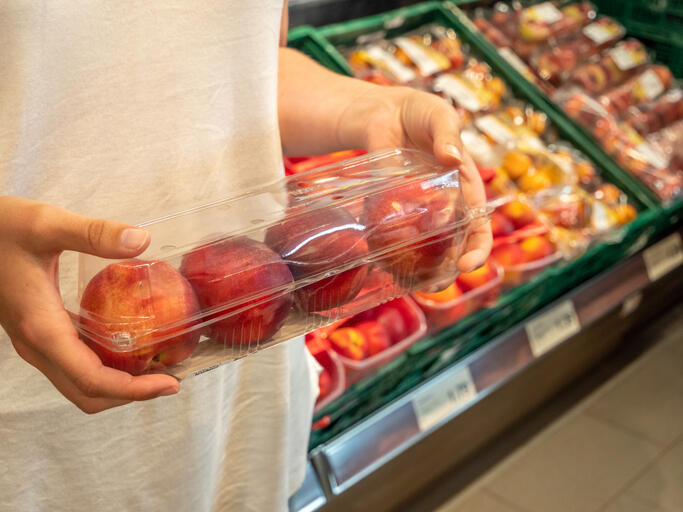
Many grocery stores also package fruit and vegetables in plastic to keep them fresh. According to the FDA, there isn’t enough evidence to determine that microplastics from plastic food packaging migrate into food. But Mercola suggests you avoid it as much as you can anyway
How to avoid it: Wash your fruit thoroughly, peel when possible and choose local or organic produce
8. Proteins
A recent study from researchers at the Ocean Conservancy found that 88% of vegetable and animal proteins contain some level of microplastics. But highly processed proteins, such as plant-based alternatives, fish sticks or chicken nuggets, harbor the most microplastics, suggesting that microplastic contamination partly comes from food processing. The study found that breaded shrimp had an average of 300 microplastic pieces per serving. Plant-based nuggets had 100 pieces per serving
Food processing isn’t the only way microplastics can get into these protein where animals are raised. Plant-based alternatives can be contaminated through the soil or irrigation.
How to avoid it: After reading that, you may wonder what protein you should eat. The reality is that more research is needed to know the exact levels and their impact on our health. Our bodies need protein to function, so getting enough is important, regardless of your chosen source
What can microplastics in food do to your health?
So, do all foods contain microplastics? I can’t say for sure. I can tell you, however, that more research is needed to understand just how eating foods with microplastics affects us. Still, although the long-term health effects remain under investigation, microplastics are something to watch out for and, if you can, guard against, as Mercola explained
“Ingested microplastics have been found to accumulate in the circulatory system and various organs, including the brain, where they can cause <a href="https://healthylife7.com/peripheral-inflammation-may-drive-brain-damage-in-rare-neurological-disorder-finds-nimhans-study/” title=”Peripheral inflammation may drive brain damage in rare neurological disorder, finds NIMHANS study”>inflammation and tissue damage,” Mercola said
Other potential side effects are hormonal imbalances caused by the endocrine-disrupting chemicals found in plastics. Microplastics can also absorb other environmental toxins and introduce them into the body
There’s no established safe level of microplastics, and we can’t completely outrun them: They’re everywhere and in everything. But it’s a good idea to minimize exposure where you can
Expert tips for reducing your microplastic intake
You can cut down by following this advice:
1. Be careful how much shellfish you eat
Shellfish like mussels, oysters and scallops have higher levels of microplastics, so don’t overdo it
2. Avoid food-storage containers made of plastic
This is one of Mercola’s biggest suggestions because of the “plasticizing chemicals” in plastic. BPA and phthalates are endocrine-disrupting chemicals that can transfer from plastic to food. They’re fat-soluble, so this happens most easily with fatty foods. It’s best to store foods with fat in glass containers, but you can store dry foods in plastic if you need to
This can be easier said than done, but it’s something to strive for in areas where you can switch
4. Get rid of plastic kitchen utensils
From the spoons we use to stir our sauces to the cutting boards we use to chop our vegetables, if they’re plastic, you’re ingesting microplastics. A good rule of thumb is: Anything plastic that comes in contact with your food should be swapped out for ceramic, glass, stainless steel or wood
To help address the overall issue of microplastics, you can install a filter in your clothes-washing machine. If you can afford it, a special filter will catch microfibers before they pollute water systems. The PlanetCare 2.0 microfiber filter starts at $125
We still have a lot to learn about microplastics and their long-term implications for our health when ingested. It might be hard to hear they’re in so many of our foods, but that shouldn’t deter you from eating well. A balanced diet of protein, fruit and vegetables will ensure your body has enough fuel to function and thrive — microplastics or not
Is there a water filter that removes microplastics?
While there is a wide variety of water filters on the market, Lifestraw is one of the few brands that target microplastics in drinking water. The brand claims that its membrane microfilter removes 99.999% of microplastics as well as bacteria and parasites. If you’re looking for a water filter that removes microplastics, look for pitchers and bottles that specifically mention microplastics, or choose a whole-home water filtration system
