


Published July 30, 2026 03:00AM
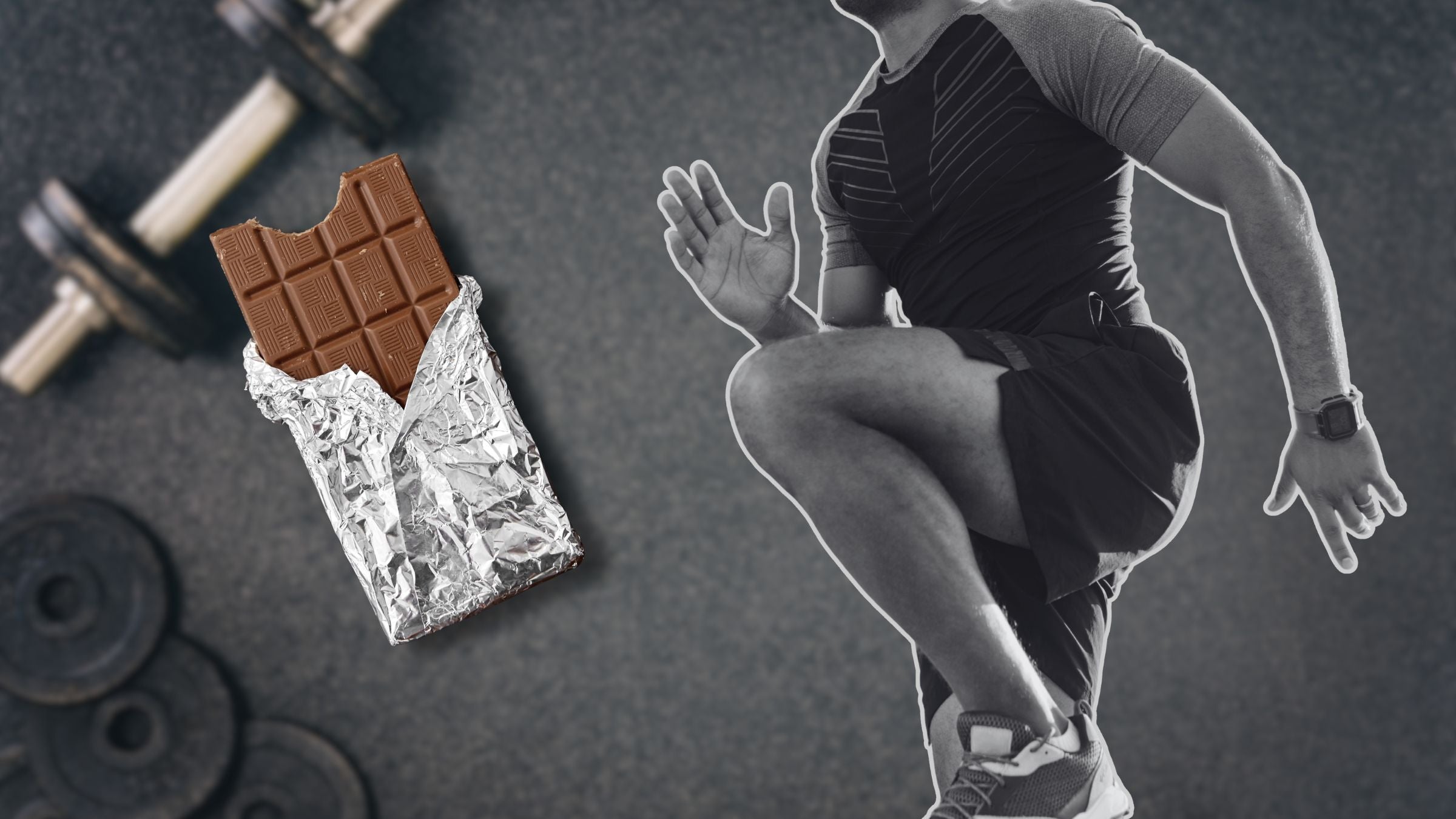
Key Takeaways: Results from a July 2026 study published in Frontiers in Psychologysuggest that what you smell prior to working out may have a positive impact on performance. Participants who smelled dark chocolate before strength training completed 18 more reps than those who smelled distilled water. Though the study is small, it provides meaningful insight regarding how odor affects performance. A sports physiologist explains how much an 18-rep increase can impact your ability to engage in your favorite outdoor activities.
Smell can incite a strong bodily response. Most of us recoil at the scent of dog poop on the trail, but we’ll willingly inhale the crisp, leafy odor left behind in the air after it rains, aka petrichor. New research suggests that smell doesn’t just trigger our gag reflexes or evoke feel-good emotions; it may also provide a performance edge
The study, published in July 2026 in the journal Frontiers in Physiology, found that athletes who smelled chocolate performed more leg-extension reps than those who sniffed a neutral, non-chocolate scent
But are a few huffs of Hershey’s chocolate bars enough to turn up your workouts to the next notch, or even make you a stronger outdoor athlete in general? And which kind of chocolate has the greatest effect? Here, we explore the science and asked a sports physiologist to weigh in
Smelling Chocolate Before Exercise Is Linked to Better Performance
To find out how chocolate impacted performance, researchers assessed 23 relatively healthy, nonsmoking men who strength-trained at least twice per week for at least two years before their inclusion in the study. Participants were exposed to different scents across multiple sessions before and during a strength-training workout. These scents included dark chocolate, milk chocolate, and a neutral control scent of distilled water. (The chocolates were in a liquid form.) Because this was a randomized, double-blind crossover study, each participant smelled all three scents on different days (one scent per session). Neither the researchers nor the participants knew which scent they were exposed to, which reduced bias.
After inhaling the scent for 30 seconds, participants performed repeated leg extension exercises: ten reps per set, with 3.5 minutes of rest between sets. Each person completed as many sets as possible until they couldn’t lift any more. For example, one person’s last set might be eight reps, while another may hit exhaustion after doing five
Study participants also answered questions regarding their appetite level, how pleasant they found the odor, and perceived exertion. These questions were asked at baseline (prior to the start of their session), after smelling their assigned odor, and after each set. All participants were in a fasted state; they were not allowed to eat for at least ten hours prior to participating in the experiment
Which Kind of Chocolate Is Best: Milk or Dark Chocolate?
To assess how much the various forms of chocolate impacted performance, researchers compared the total number of reps (across all sets) each person completed under each scent condition
The results? After smelling dark chocolate, participants performed roughly 18 more leg-extension reps than after sniffing the neutral scent and nine more reps than after smelling milk chocolate. Smelling milk chocolate also resulted in about nine more total reps when compared to distilled water. But when it came to pleasantness ratings (meaning how much they enjoyed the smell), milk chocolate won, but dark chocolate suppressed appetite more
Because this study was experimental rather than observational, the results suggest that smelling dark chocolate may improve performance the most, implying potential causation. However, because this study was small and included only men, more tests across wider demographics are needed. These findings are important as they suggest a meaningful link between scent and performance
Why Did Smelling Chocolate Contribute to More Reps?
The researchers believe chocolate can kickstart your workout because its scent tricks the brain into thinking you’ve already eaten. Smelling dark chocolate may create a sense of perceived fullness, so instead of focusing on how hungry you are, you may be able to concentrate on your workout, which could lead to improved performance. “The dark chocolate scent serves as a learned cue for a rich, bitter, and highly satiating food, which essentially tricks the system into an anticipatory state of fullness,” lead study author Nashrudin Naharudin said in a press release.
A possible explanation for why smelling milk chocolate also led to more reps is that “the sweeter milk chocolate scent acts more like a hedonic reward cue, enhancing training volume by creating a highly pleasant sensory environment rather than by shifting basic metabolic hunger signals.” A hedonic reward refers to something that elicits feelings of pleasure. So, smelling something good may create an environment that could potentially support a boost in performance
What Does Banging Out More Reps Mean for Your Favorite Outdoor Activities? We Asked an Expert
“If smelling [any kind of] chocolate makes you work harder and feel better, go for it,” Jason Machowsky, a board-certified sports dietitian and registered clinical exercise physiologist, told Outside
He noted that whatever motivation method gets you to push out more reps might help you be a better outdoor athlete. “Extra reps lead to extra work on the target muscles, which can stimulate additional strength and possibly endurance development depending on the load and intensity trained, when paired with adequate recovery,” he said
Machowsky recommends focusing on the glutes, quads, and hamstrings, with exercises like squats, lunges, deadlifts, hip thrusts, step-ups, and calf raises for sports like hiking, backpacking, and running. You’ll also need solid upper-body and core strength and endurance to carry a heavy pack. He says plank variations (side planks, farmer’s carries, dead bugs, and Pallof presses) are good core burners. “Upper body strength should focus on pushing and pulling in different directions such as rows, pullups, pushups, and overhead presses.”
Overall, he says that upping the number of reps you do can absolutely produce better results when you’re on the trail. That means you’ll also be able to pack on more weight. When you do hit the gym, he suggests keeping your reps and sets steady and starting with eight to 12 reps. (And don’t forget to grab chocolate on your next trip to the grocery store.)
Want more Outside health stories? Sign up for the Bodywork newsletter
