


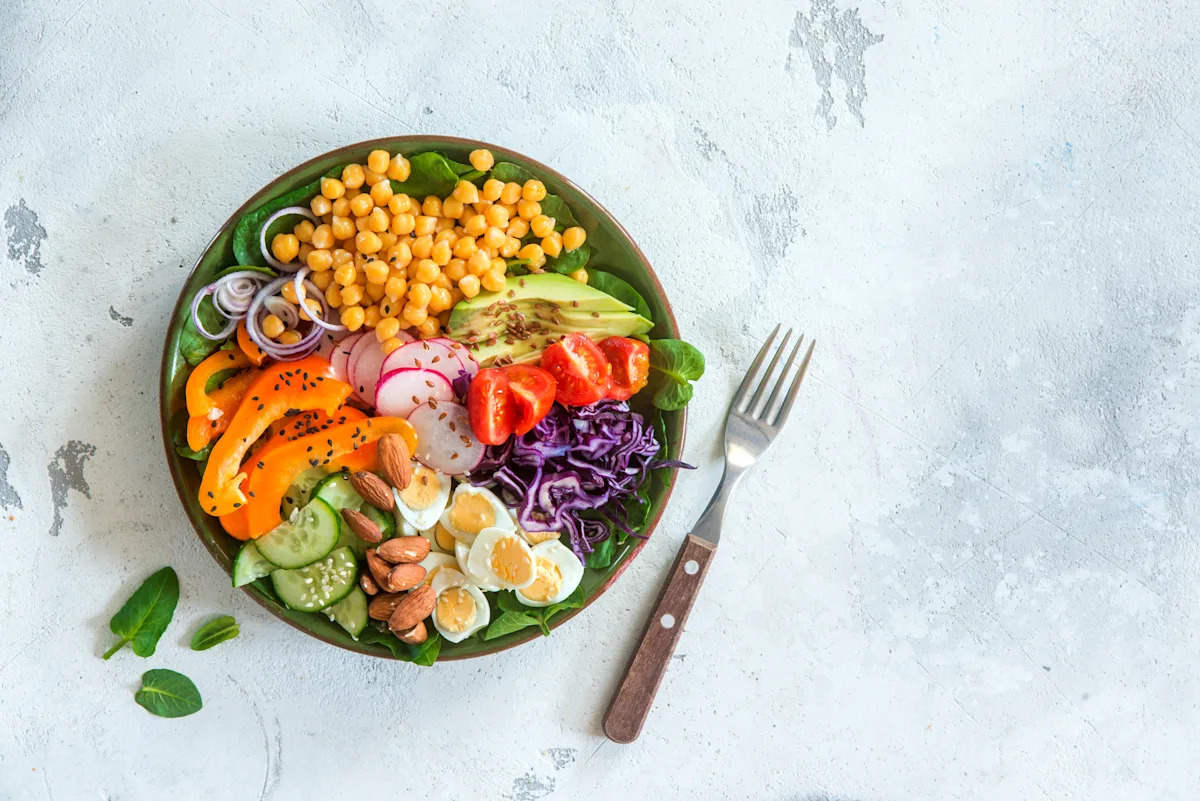
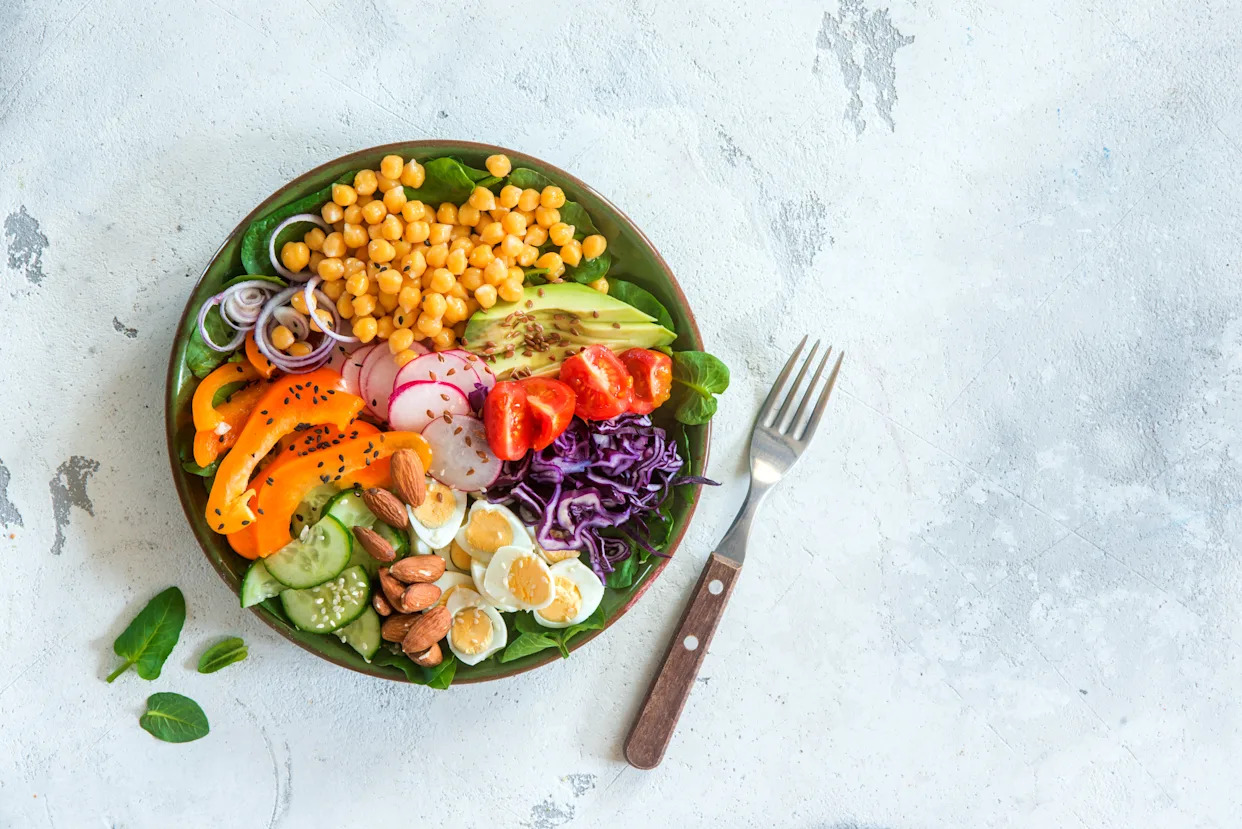
It almost sounds like a riddle: How can you eat more, but lose weight? The answer is volume eating. This way of eating, when there’s a plan in place, is also known as the Volumetrics Diet
In general, many nutritionists and wellness experts are hesitant to endorse diets because they can be hard to follow, and weight-loss is difficult to maintain when you’re restricting entire food groups
But volume eating takes a bit of a different approach. Instead of the deprivation tied to many diets, this way of eating is all about finding healthy foods that you can eat high quantities of and still lose weight. Instead of, say, a few slices of pizza and a small side salad, your plate would include a large salad and a slice of pizza—so long as you’re not following a plan that’s restricting fats or carbs
Advertisement
“Eating foods that are low in calories, but high in volume can help when trying to decrease overall calorie intake and ultimately lead to weight loss,” says Elise Harlow, M.S., R.D.N., founder of The Flourished Table
Plus, Harlow says, if somebody chooses to eat high fiber foods that are low in calories, such as fruits and vegetables, they will increase their fiber intake, which can help to increase satiety and contribute to weight loss (more on this below)
Here’s what else you need to know about volume eating, including the pros, cons, and what meals might look like
What is volume eating?
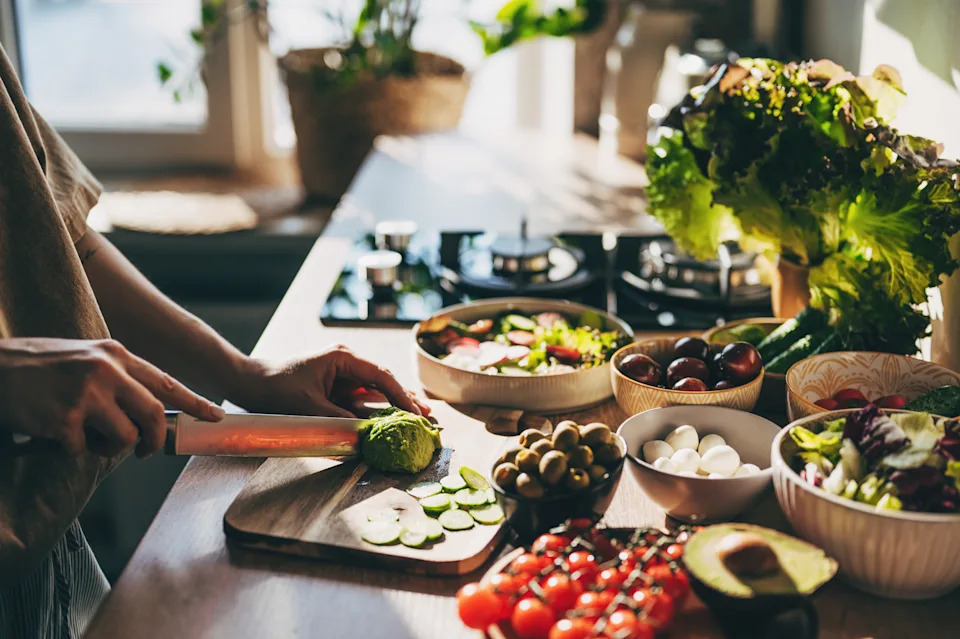
Volume eating can encourage healthy weight loss, says Jennifer Schlette, R.D. from Kitchen Substitute, because eating vegetables and other low-calorie density foods are better for your body than eating larger servings of high-density calorie foods
Advertisement
FYI: Energy density is usually measured as calories per 3.5 ounces, or 100 grams, of food. So, 100 grams of raw spinach has 23 calories while the same amount of chocolate has 546 calories and an equal amount of pasta has 121 calories
“It may take longer to lose weight when following the Volumetrics Diet, but you’ll be keeping your metabolism healthy in the process,” Schlette says
Volume eating promotes satiety by increasing fullness signals from the belly to the brain, explains Kim Yawitz, R.D. and owner of Two Six Fitness in St. Louis, Missouri
“Anytime you eat a good-sized meal or snack, your stomach stretches to accommodate the food,” Yawitz says. “This expansion in your belly activates special cells called stretch receptors, which send the message to your brain that you’ve had enough food.”
Advertisement
Feeling full isn’t ideal when you’ve just finished, say, your third plate at an all-you-can eat buffet, she explains. The difference with volume eating is that you’re filling your belly with fruits, vegetables, whole grains, and other foods that have a high water content and are low in calories, which can help keep you satisfied so that you eat fewer calories overall
Yawitz points to research in Obesity and Nutrients that suggest that eating more high-volume, low-calorie food can help you lose weight and keep it off
What are the pros of volume eating?
When you approach volume eating as a technique rather than a strict diet, you’re focused on eating meals that are nutrient dense, but low in calories
As a result, you’re eating a full plate of food and feel full, even though your calorie count may be lower. That could help curb cravings for more processed foods like chips and cookies that are higher in calories but don’t pack much nutritional value
Advertisement
Volume eating promotes some eating habits that can benefit most people, Harlow says, one of which is to eat more fruits and vegetables
“Most people are not eating enough fruits and vegetables and would benefit from eating more,” she says. “In addition to being low in calories, fruits and vegetables are goodich are important to overall health.”
(The Dietary Guidelines for Americans recommend adults eat 1.5 to 2 cup-equivalents of fruits and 2 to 3 cup-equivalents of vegetables on a daily basis)
Also, Harlow says, volume eating could also help somebody to eat less calories without having to count calories, which can be problematic for some, as it may turn obsessive and stressful
What are the cons of volume eating?
Depending on your approach, volume eating can limit or completely avoid fats, Harlow points out
Advertisement
“We need fats in our diet and some” she says. Still, those foods are good for your overall health. For instance, Omega-3s are fatty acids that are good for brain, heart, eye, joint, and immune health
If somebody is volume eating, she recommends still balancing your meals with protein and healthy fats
It’s also important to note that calories are not bad, Harlow says. It’s the overeating of calories that can lead to negative health outcomes, and volume eating can help to prevent that, she explains
Also, this volumetrics way of eating is not for everyone, Schlette says
Advertisement
“This kind of diet is usually best for people who have a lot of energy and stamina,” she says. “It’s not suitable for people who suffer from certain diseases or conditions, such as heart disease or high blood pressure, because the foods included in the plans are generally out of their recommended calorie limits.”
This eating plan may not be a fit for others, like pregnant women, who should consult with their healthcare provider or a dietitian before starting an eating plan
Since it doesn’t require tracking calories or counting points, this volume eating method can be a good approach for those who are burned out on dieting, yet want to lose weight
“A large body of evidence shows that deprivation doesn’t work for long-term weight loss,” Yawitz says. “No foods are specifically off limits with volume eating—you are just encouraged to eat more high-volume foods. And from a motivation standpoint, there’s a lot to be said for focusing on eating more as opposed to eating less.”
What meals might look like on a volume eating plan
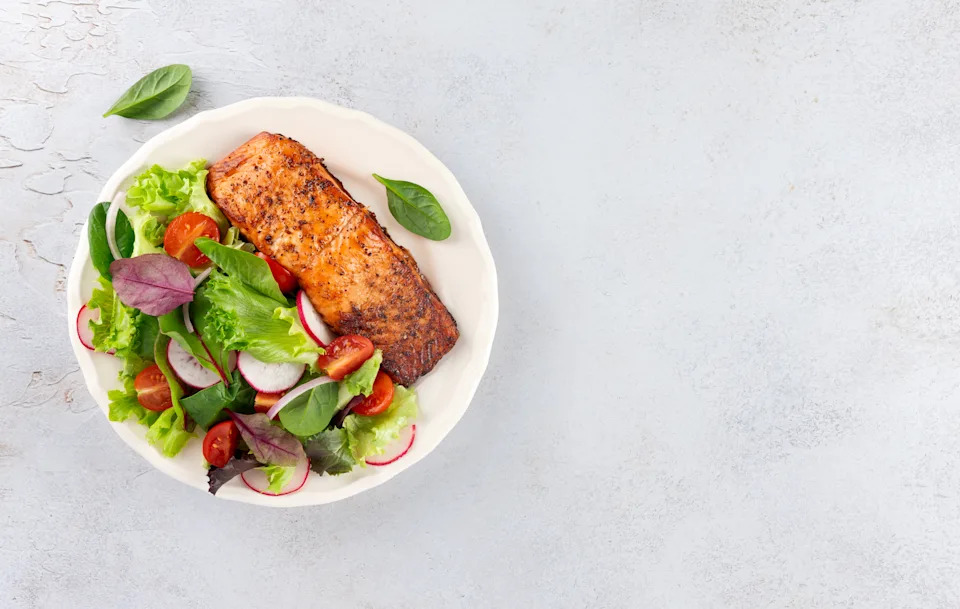
In general, volume eating will include lean proteins (salmon, chicken breasts, ground turkey, shrimp, and plant-based, lots of fruits and veggies, and whole grains that are high in fiber (brown rice, barley, and buckwheat)
Advertisement
Meals, Harlow says, might sub out spaghetti squash or zucchini noodles for noodles and cauliflower rice instead of rice. Adding veggies to your meals is also key, like spinach in your scrambled eggs, she points out
For those who take a volume eating approach, good snack ideas, Harlow says, include raw veggies and hummus, berries, popcorn, cottage cheese, and fruit
The takeaway here: You can have an eating plan that isn’t about deprivation. Goodbye, diet hunger pangs!
Brittany Anas Creator
Brittany Anas is an award-winning journalist covering all the sweet things in life, from travel to home to food and beverage. She is based in Denver, Colorado.
Creators are not employed by Yahoo. Views expressed by creators do not reflect the opinions and position of Yahoo.Learn how to become a creator.
