


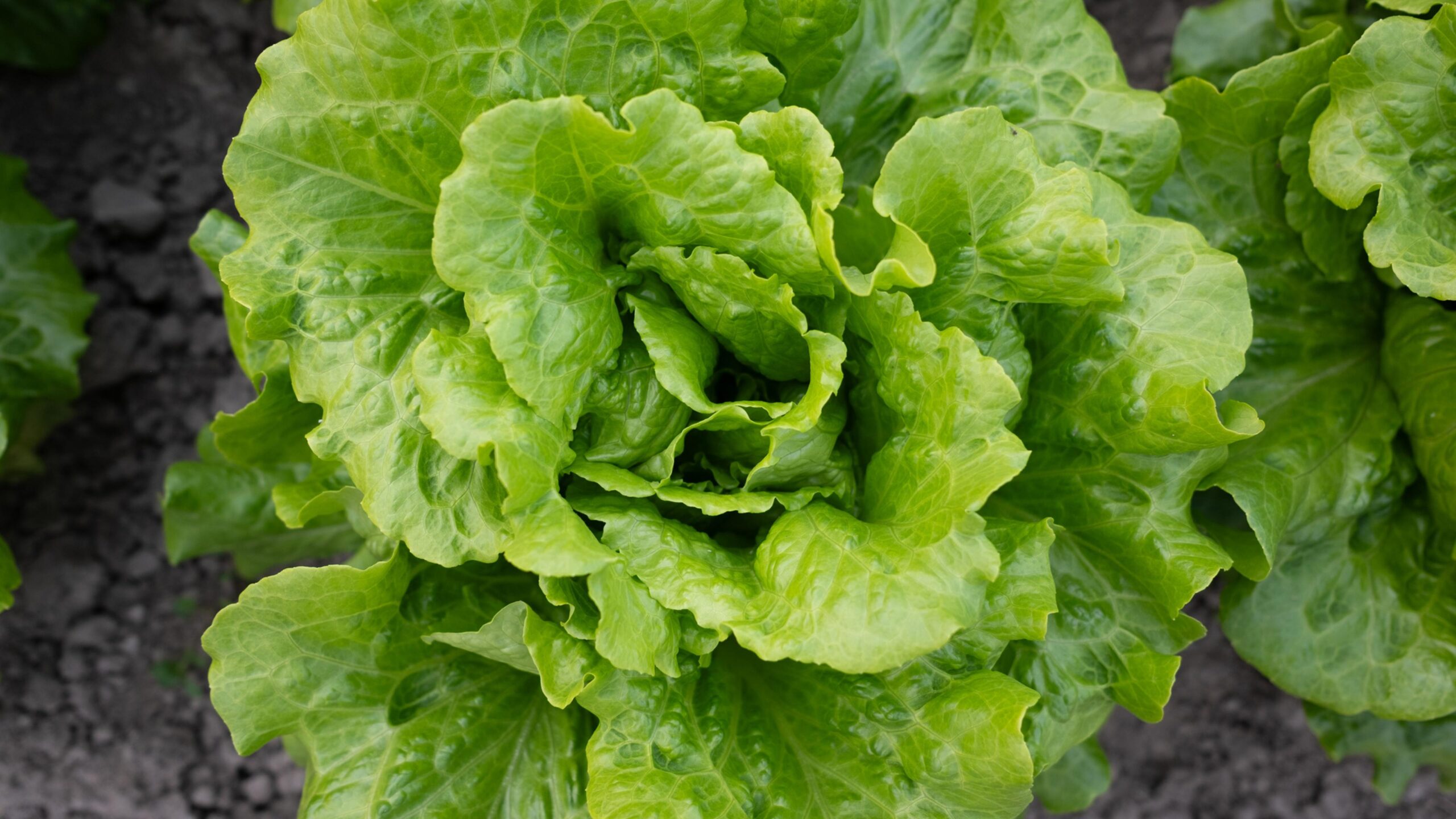
If you’ve found yourself staring into your refrigerator wondering whether that bag of lettuce is safe to eat, you’re in good company
Many people are avoiding lettuce in the midst of the ongoing outbreak of Cyclospora, a microscopic parasite that can contaminate fresh produce and cause days—or even weeks—of miserable gastrointestinal illness. It’s unusually stubborn: Unlike many foodborne pathogens, it can’t reliably be washed off at home.
As of July 21, federal officials have linked 1,644 illnesses and 94 hospitalizations across five states to shredded iceberg lettuce served at Taco Bell and traced to Taylor Farms de Mexico. Recalled products were distributed to 27 states.
Communication from public-health agencies has been confusing, and though investigations are ongoing, no furthere who study food safety making sense of it all?
None are panicking. But several have changed the way they shop and cook while the outbreak continues. Many of their habits are surprisingly easy to borrow
They aren’t avoiding lettuce altogether
If you expected food safety experts to swear off salads until the Cyclosporaoutbreak is over, think again
Donald Schaffner, a professor of food microbiology in the department of food science at Rutgers University, hasn’t changed his eating habits at all. “I had a salad last night and the night before, and I’ll have a salad tonight,” he says. Rather than writing off an entire category of food because of an outbreak, he focuses on what’s actually been recalled or linked to the current investigation. If a specific product is part of an active recall, he’ll avoid it. Otherwise, “I don’t worry about it,” he says.
Barbara Kowalcyk, director of the Institute of Food Safety and Nutrition Security at George Washington University, agrees that avoiding all lettuce isn’t the answer. Instead, she encourages people to think about their own level of risk. She’s comfortable ordering a salad at a restaurant, even knowing it’s likely made with bagged lettuce, because she’s healthy and not immunocompromised. “I know the risks I’m taking,” she says. But she notes that the calculation is different for young children, pregnant women, older adults, and anyone with a weakened immune system, all of whom are more vulnerable to serious foodborne illness.
Frank Yiannas, who served as the FDA’s deputy commissioner for food policy and response from 2018 to 2023 and is the author of Food Safety Culture: Creating a Behavior-Based Food Safety Management System, takes a similar approach. He’ll avoid products that regulators have specifically identified or recalled—but not every food in that food group. “I’m still a big fan of eating fresh fruits and vegetables,” he says. “Two days in a row, romaine salad.” He notes that Americans safely consume more than 150 million servings of leafy greens every day, making it important to keep outbreaks in perspective.
They take more control over their lettuce
Some experts have changed one grocery-shopping habit over the years: They’d rather prepare their own lettuce than let someone else do it
Bill Marler, an attorney who focuses on food-safety cases—and who represents several people suing over the ongoing Cyclospora outbreak—stopped buying prepared salads years ago. “I’m not a fan of bagged or boxed salads or pre-made kits,” he says, which are usually made from greens from several different places. “You’re ceding responsibility to somebody else in a large factory.” Instead, he buys whole heads of lettuce, removes the outer leaves, and washes the rest himself under running water. That tactic is also recommended by the Michigan Department of Health and Human Services, the state most affected by the outbreak.
Marler points to the 2006 E.coli outbreak linked to bagged spinach, when contamination believed to have originated from wild pigs spread after spinach from across a field was harvested, chopped, washed, and packaged together. The pigs “didn’t poop on everything,” he says. But once the leaves were mixed, what might have remained a localized problem became a nationwide outbreak. “Convenience just isn’t worth the risk.”
Advertisement
Kowalcyk has reached a similar conclusion. She also buys whole heads of lettuce, washes them thoroughly under running water, and discards any bruised or damaged outer leaves before eating the rest. Broken leaves are more vulnerable because “that’s how the bacteria gets inside,” she says
They don’t take “pre-washed” at face value
For some experts, even “pre-washed” isn’t enough. Gerardo Lopez, a food safety professor at the University of Arizona, still rinses bagged greens before serving them. “Just because something says pre-washed doesn’t mean [it’s safe],” he says, noting there’s still potential for cross-contamination. At home, he rinses leafy greens thoroughly under running water in a colander before serving them.
They pay attention to where their produce comes from
The outbreak has reinforced a lesson many food-safety experts learned long ago: where produce is grown matters
Darin Detwiler, an associate teaching professor of food policy at Northeastern University and author of Food Safety: Past, Present, and Predictions, pays close attention to where his produce comes from. At farmers markets, he asks two questions before buying anything: Where was this grown? And how recently was it harvested?
Advertisement
If a vendor tells him the produce came from a wholesaler or middleman instead of a nearby farm, he keeps walking
He brings that same curiosity to the grocery store. Detwiler encourages consumers to look beyond the brand name on the front of a package because it isn’t always the company that actually grew the produce. During this outbreak, many people assumed they were unaffected because they didn’t see “Taylor Farms” in their refrigerator—even though the same grower supplies produce sold under multiple labels
For Detwiler, the broader point is to get as close to thelooking tomato that was grown within 25 miles than a perfect tomato at the grocery store that I don’t know where it came from,” he says. And if you’re ever unsure whether something is part of a recall, he adds, “If in doubt, throw it out. Your public health should take priority.”
Advertisement
They lean into cooked vegetables
Some food-safety experts aren’t avoiding vegetables—they’re changing how they prepare them. Lopez says his family has been eating fewer salads during the outbreak and more grilled vegetables instead. Cooking vegetables to about 158°F (70°C) inactivates Cyclospora, making grilled vegetables an appealing alternative while the investigation continues. His recent favorites include grilled zucchini, Brussels sprouts, corn on the cob, and tomatoes. He’s also opting for cooked greens—like sautéed spinach—instead of raw salads.
They’ve built small habits into their kitchen routines
Years of studying foodborne illness have changed experts’ routines
Kowalcyk recommends using a digital, tip-sensitive meat thermometer because, she says, “color and texture is not a good indicator of doneness.” She also skips old-fashioned dial thermometers, which need to be calibrated—and often aren’t
Advertisement
She has another kitchen habit that’s easy to borrow. Any utensil that touches raw meat immediately goes into a designated cup on the counter. “Silverware in a cup in our family means: don’t,” she says. “It touched something that should not be used again.” It’s a simple way to prevent someone from accidentally grabbing the same tongs or spoon for ready-to-eat food
She’s equally careful at summer cookouts. Cooked food shouldn’t sit out for more than two hours—and even less when temperatures are high. At a recent gathering, she nestled the hummus in a bowl of ice to keep it cold while people snacked. “Foodborne illness has a season,” Kowalcyk says, which is why she’s most vigilant in summer
Yiannas says his own non-negotiables are the food-safety basics: using a thermometer to make sure meat reaches a safe internal temperature, preventing cross-contamination in the kitchen, replacing kitchen sponges regularly, and avoiding preparing food for others while sick.
Advertisement
They know where to get trustworthy information
One reason this outbreak has been so difficult to follow is the fumbled communication of new developments. So where do the people who study food safety go when they want reliable information?
Schaffner starts with the U.S. Centers for Disease Control and Prevention (CDC) and FDA, though he acknowledges both agencies have been slower than usual during this outbreak. After that, he looks to state health departments, which often post updates more quickly as investigations unfold
Kowalcyk recommends signing up for food recall alerts through FoodSafety.gov, which lets consumers receive notifications when new recalls are announced. She also suggests using your grocery store loyalty card. Many shoppers use fake phone numbers to avoid marketing emails, she says, but loyalty programs are increasingly how stores notify customers that they’ve purchased recalled products—or even print recall alerts directly on receipts
Advertisement
She also makes a habit of noticing where her grocery store posts recall notices. Some place them near the entrance; others hang them next to the affected products. During a recent shopping trip, she noticed a large sign in the produce section reassuring customers that the store didn’t
“It’s not like the FDA goes into a store and pulls recalled food off the shelf,” Kowalcyk says. Instead, government agencies announce recalls and rely on retailers to remove the products. Studies have found that “recall effectiveness” isn’t perfect, she says, making it all the more important to stay informed yourself
They still eat out—they just ask more questions
Of course, there’s one question many people are still wondering about: Would these experts eat at Taco Bell?
For most of them, the answer is yes
Detwiler says he’d still eat there, though he’d probably ask them to hold the lettuce for the time being. Even Marler says the company deserves credit for pulling the product once it recognized there was a problem. Now that investigators have identified the likelyg habits.”
Advertisement
But Kowalcyk says whereshe eats is only part of the equation. If she’s ordering a salad during an outbreak, she’ll ask whether the restaurant is aware of the recall and whether staff know where its lettuce came from. If they can’t answer those questions, she simply orders something else
“How they react tells you a lot,” she says. If a restaurant can’t explain where its produce came from during an active outbreak, she’d rather choose something else on the menu
