



Deli meats are delicious and convenient, but how healthy are they?
According to nutrition scientist Dr Joanna McMillan, this depends entirely on the type of deli meat you are considering purchasing, what you are eating with them, and how often. When navigating the supermarket aisle, Dr McMillan says there are definitely some “better” options customers can choose from
“Essentially, what you’re looking for is a meat that looks closer to if you cooked a chicken or roasted a chicken or a side of beef or a piece of lamb, or something ready at home,” she explained on Today
That means looking for words like “breast” for chicken, or “roast” or “carved” on the labels
“This is just roast beef, roast chicken, roast turkey,” she said of the better choices available from the deli counter
She added that the best deli meats will have a high percentage of meat, a short ingredients list, low sodium and less saturated fat
Read more

‘Quietly pulled’: Shoppers gutted as Woolworths discontinues a popular freezer staple
The ‘middle ground’ options
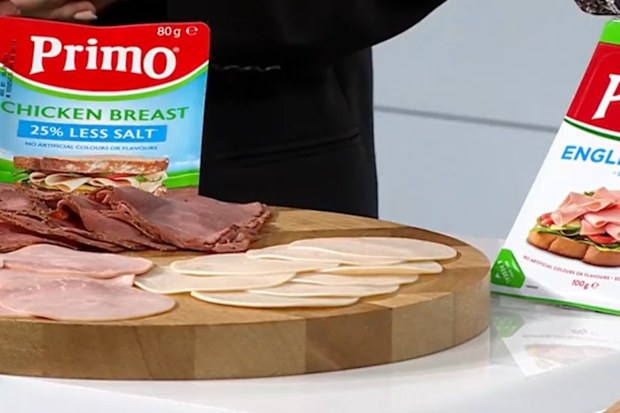
Dr McMillan says middle-ground deli meat products are most hams and slices
“They process the meat and mix it with – if you read the ingredients list – they mix it with things like maltodextrin and gums in order to make it into these perfect little slices,” she said
Advertisement
“Not awful, but I certainly wouldn’t be having these every day.”
Dr McMillan added that most “regular hams fall into this category,” advising against packing them in school lunchboxes daily

Advertisement
Advertisement
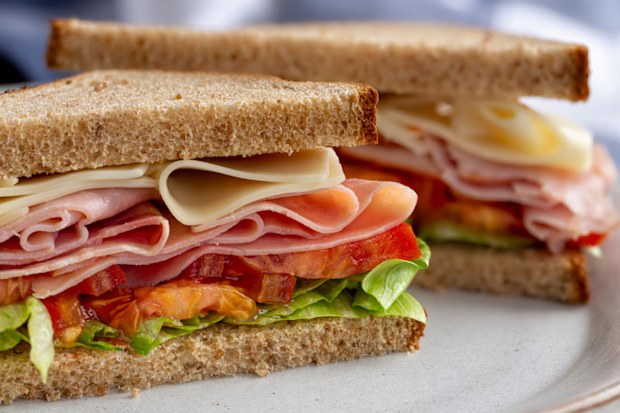
“Once or twice a week is probably OK, provided they’ve got wholegrain bread and they’ve got some veggies and fruit in there.”
Items to eat less often
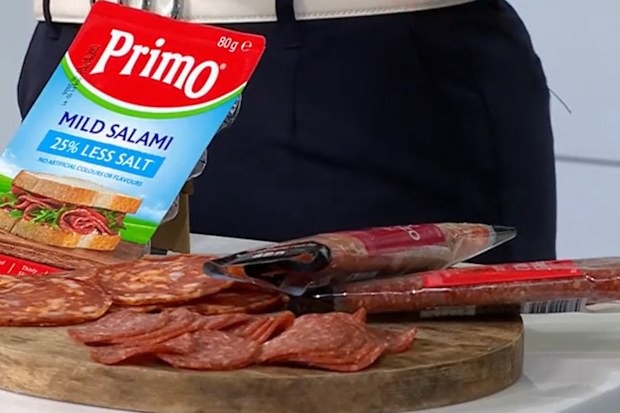
The deli products Dr McMillan recommends eating less often include salami, pepperoni, cabanossi, bacon, mortadella and other “luncheon meats” – a group that also includes Aussie icon devon
Advertisement

While some of these meats feature in the Mediterranean diet, which is one of the healthier eating regimens to follow, she noted they should only ever be used in small quantities to add flavour, rather than being served as the hero protein
“When I do my prawn and chorizo pasta, there’s a little bit of chorizo in there, split between the whole family, then there’s prawns and loads of veggies and some salad on the side made with extra virgin olive oil,” she shared
“These are very occasional.”
Advertisement
Advertisement
Read more

Australian fast food chains are undergoing a major shift
Deli freshness and storage warnings
Purchasing products fresh from the deli counter versus pre-packaged supermarket packs doesn’t inherently change their nutritional value, Dr McMillan said
However, when purchasing from the deli, she prefers to see meat carved fresh in front of her, rather than choosing slices that have been previously cut and left “sitting there”
Advertisement
When it comes to packaged varieties, safety is paramount
“In the packet you know it’s sealed, but once you’ve opened it you must use it by the date that it says,” she warned, referring strictly to the “use-by” date
Most importantly, she advised shoppers to not trust the ‘sniff test’
Advertisement
Advertisement
“Sometimes bacteria can be growing without you even realising it, definitely don’t taste test. If in doubt, don’t eat it.”
When it comes to general health concerns over deli meat consumption, Dr McMillan confirmed these are valid, but can be somewhat “mitigated”
“There is no doubt a high consumption of processed meats will increase your risk of colorectal cancer,” she said
Advertisement
However, she explained these risks can be mitigated through “increased fibre consumption and wholegrains from different plant-based
“So, it’s not like you can never have these.”

‘Quietly pulled’: Shoppers gutted as Woolworths discontinues a popular freezer staple
Why Anthony Bourdain’s ’12 rules’ resonate now more than ever
Supermarket deli meats ranked by a nutritionist: Which ones are safe to eat often
Woolworths makes its biggest mudcake change in more than 30 years


