


Key Takeaways
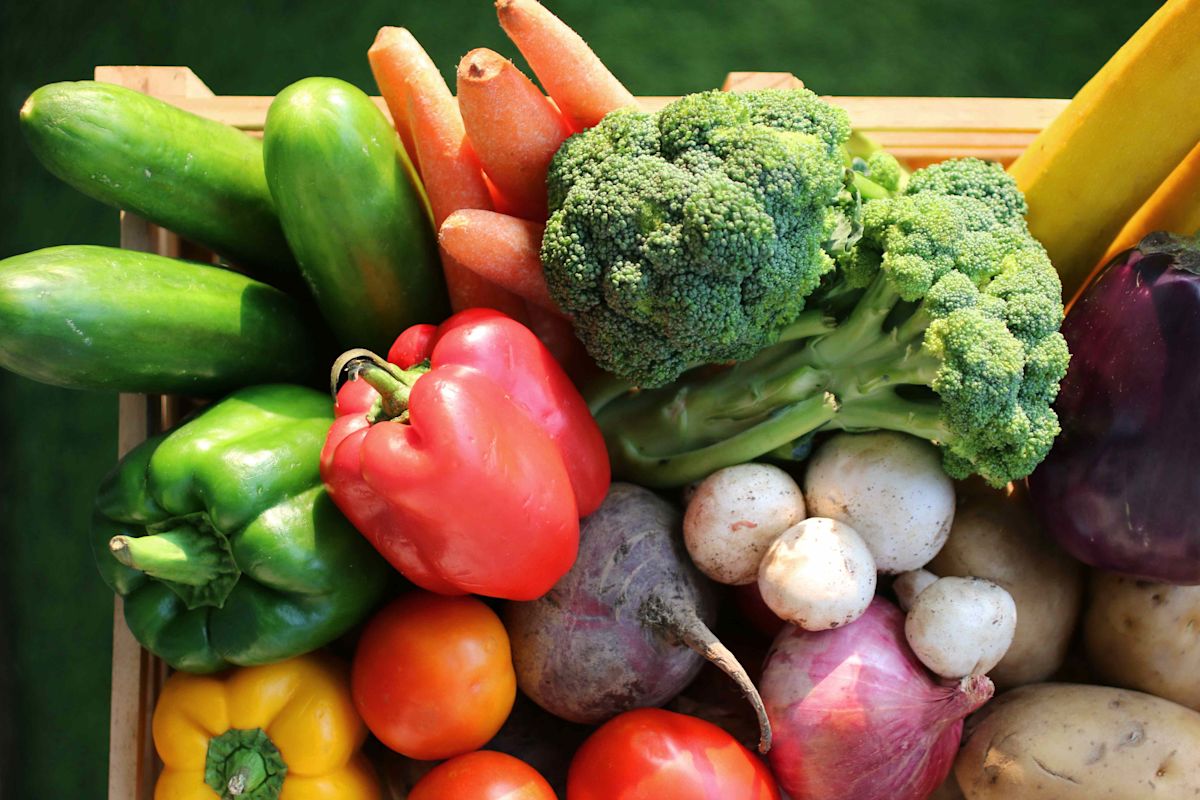
Brightly colored vegetables like red cabbage, red bell peppers, and curly kale are loaded with antioxidants such as anthocyanins, carotenoids, and polyphenols, which help fight inflammation and support immune health
Cooking certain vegetables—like tomatoes, red cabbage, and butternut squash—can enhance their antioxidant levels, making them even more beneficial when sautéed, roasted, or blended into soups
Nutrient-dense picks like sweet potatoes, beets, and artichokes offer a powerful mix of antioxidants including beta-carotene, betalains, and flavonoids, supporting everything from skin health to heart function
If you want to eat to help prevent disease, consuming antioxidants can be a helpful way to do so. Antioxidants are naturally occurring compounds that help fight free radicals in the body. That is, they counteract the effects of unstable, harmful molecules and can help internally ward off cancer, diabetes and more. Naturally occurring antioxidants include vitamins C and E, carotenoids, lycopene, polyphenols, selenium, and more.
While there isn’t a set prescription for antioxidant intake to ward off disease, including antioxidant-rich foods in your diet every day comes highly recommended by doctors and <a href="https://healthylife7.com/malawi-fao-warning-malawi-sliding-toward-national-nutrition-emergency/” title=”Malawi: FAO Warning – Malawi Sliding Toward National Nutrition Emergency”>nutritionists. can be an excellento your system. Here are some of the most antioxidant-rich vegetables nutritionists recommend to increase your antioxidant intake deliciously, boosting immunity reaping multiple other health benefits along the way.
Advertisement
Advertisement
01 of 10
Red Cabbage
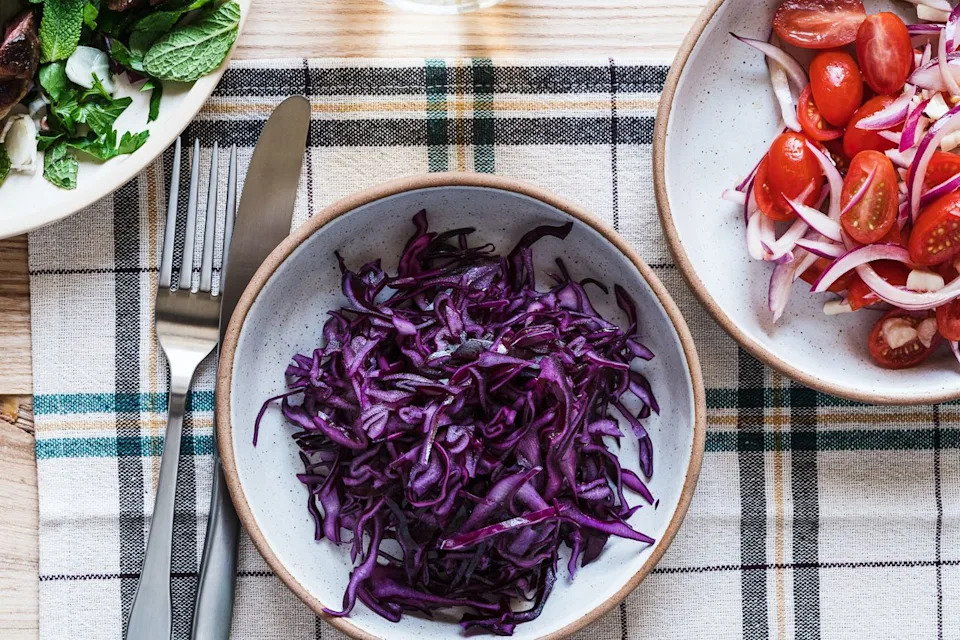
“Red cabbage is an excellents vibrant color. Anthocyanins are also found in , and may help and lower the risk of heart disease and some cancers,” says Jennifer House, pediatric registered dietitian and founder of First Step Nutrition.
Red cabbage and other cruciferous vegetables, including Brussels sprouts, cauliflower, and broccoli, contain a natural plant compound called sulforaphane. “Sulforaphane is a phytochemical that has neuroprotective and anti-cancer health effects,” House explains. She suggests enjoying red cabbage grated raw in salads, or pickle it in vinegar, water, and a touch of sugar to use as a topping for sandwiches or tacos. “The antioxidant levels of red cabbage increase when cooked, so sauté it with some olive oil and for a healthy side dish, or add it to stir-fries or soups,” House adds.
Advertisement
Advertisement
02 of 10
Butternut Squash
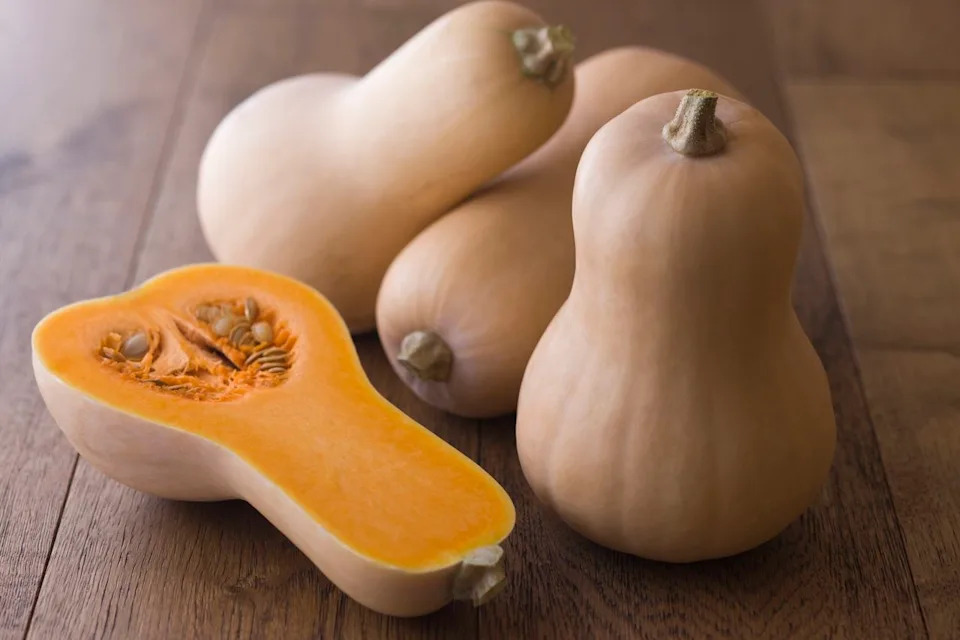
” contains multiple carotenoids, such as beta-carotene, lutein, and zeaxanthin, which impart the orange coloring to this vegetable,” House says. Lutein and zeaxanthin are antioxidants that specifically support . “These carotenoids, along with high amounts of in butternut squash, serve as antioxidants to support your health and immunity,” House continues. “You can often find frozen peeled and cubed butternut squash in the freezer section of your grocery store. Add butternut squash to a curry, or blend up a butternut squash soup.”
03 of 10
Carrots
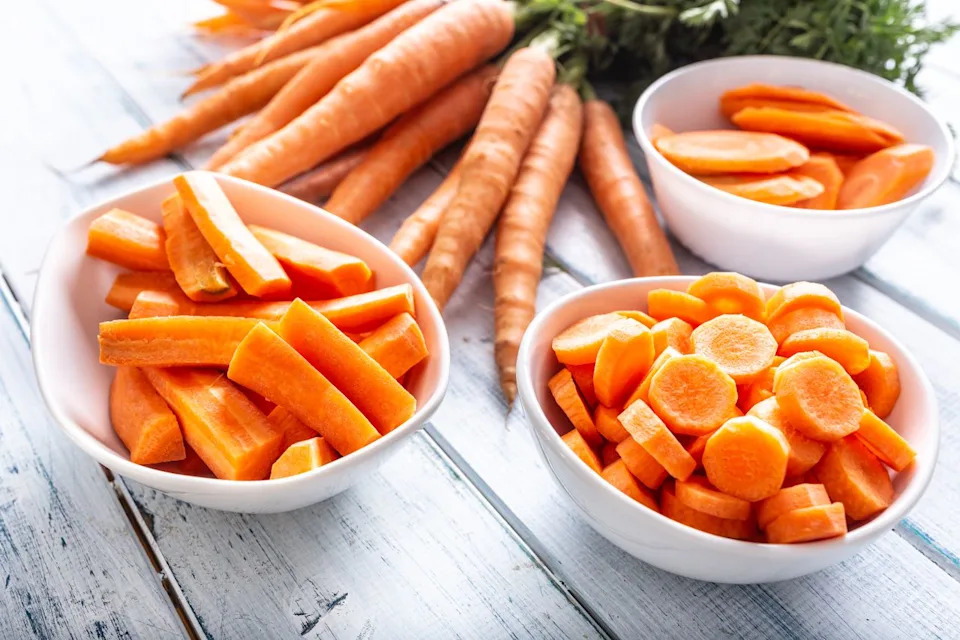
” are one of my favorite antioxidant-rich vegetables, thanks to their high beta-carotene content, which is converted to vitamin A. [Vitamin A is] essential for immune function and skin health,” says Stephanie Crabtree, MS, RD. “In the summer, I love making a simple : just grate fresh carrots and toss them with a clove of grated garlic, a splash of apple cider vinegar, olive oil, and a pinch of sea salt.”
Advertisement
Advertisement
04 of 10
Tomatoes
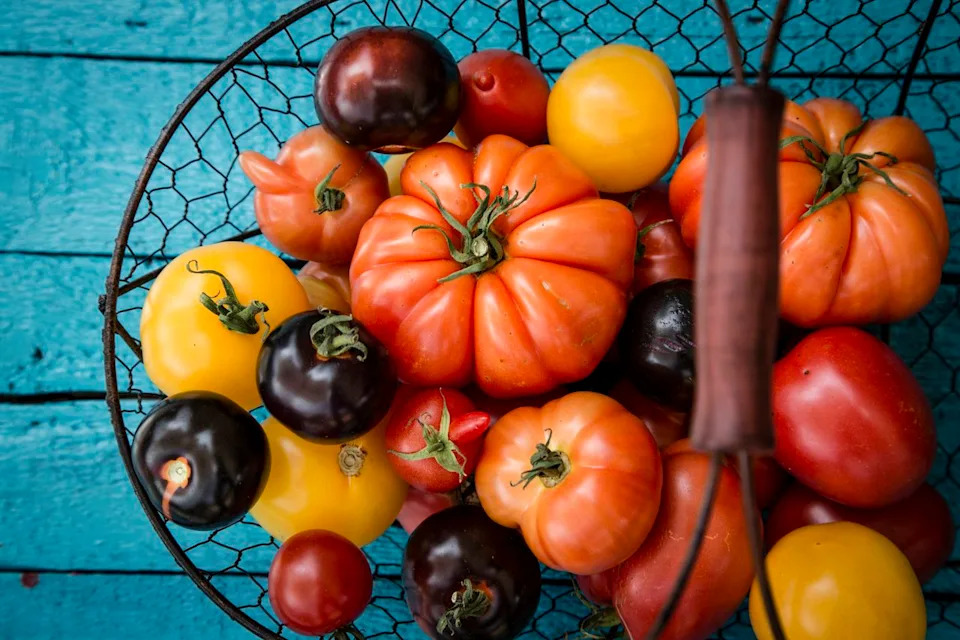
” are also , with lycopene being the standout. Lycopene plays a key role in eye health, and interestingly, cooking tomatoes can actually increase the availability of this antioxidant,” says Crabtree. “The way we prepare vegetables can impact their antioxidant levels—in some cases, like with tomatoes, cooking can boost certain compounds, while in others, raw or lightly cooked methods help preserve them. It really depends on the antioxidant and the cooking method. Roasted tomatoes are a wonderful topping to any summer Caprese-style salad or as the base of a pizza or .”
Related: 7 Reasons Nutritionists Recommend Pistachios and Simple Ways to Enjoy More of This Nut
05 of 10
Beetroot
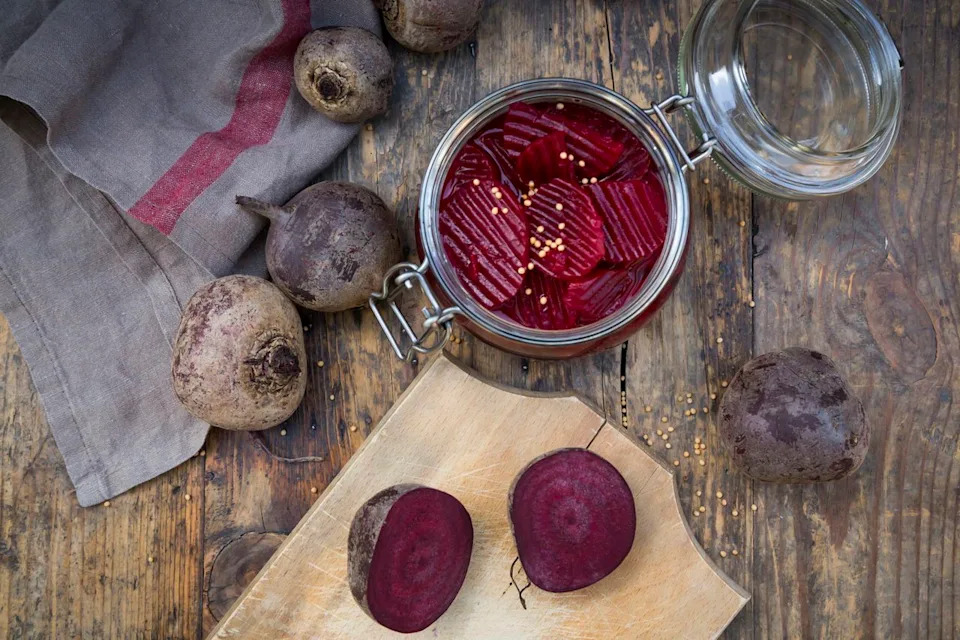
“Deep colors are often linked with higher antioxidant capacity, and is no exception,” says Rachel Gargano, MS, RD, CSSD. “The ruby red root vegetable is a greatalains and phenolics. Beetroot is also rich in , which convert to nitric oxide in the body and may help with circulation and exercise performance.”
Advertisement
Advertisement
Hate beets? Gargano has a few tips to help get behind this veggie’s sometimes polarizing earthy flavor. “I find that dicing beets and tossing them with olive oil, salt, and pepper, and roasting until tender, then sprinkling with and lemon helps to soften their flavor,” she says.
06 of 10
Curly Kale
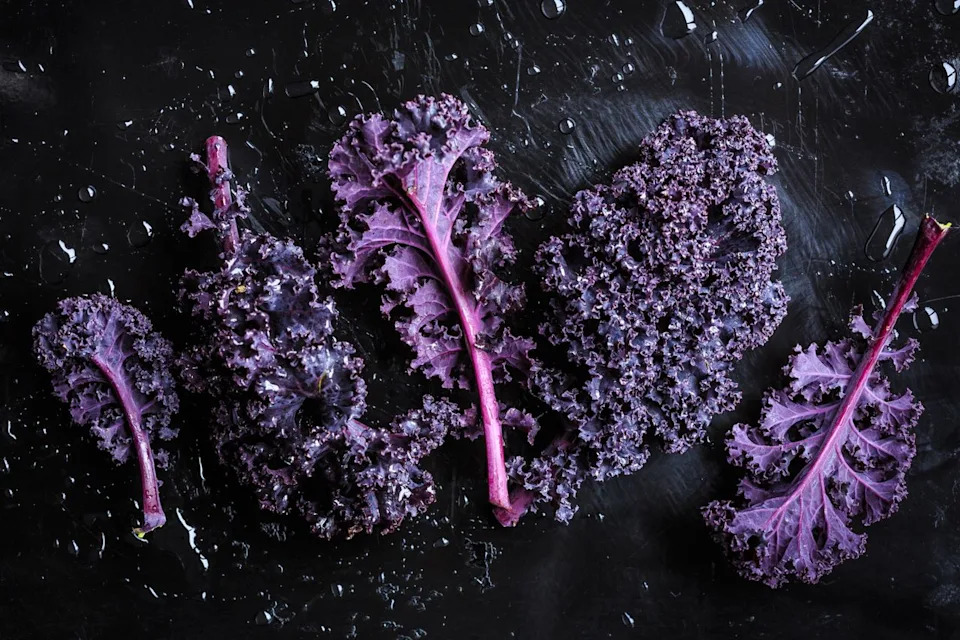
“Curly kale, especially curly red kale, is one of the most antioxidant-rich veggies available, containing tocopherols, ascorbic acid, carotenoids, and polyphenols. is also especially rich in glucosinolates, which have been studied for its metabolites’ powerful anti-inflammatory properties,” says Gargano. “I personally love including ripped kale in a salad, especially if it’s massaged with olive oil first to help make it more tender. I also enjoy it sliced and sautéed with a few minced garlic cloves, olive oil, a dash of toasted sesame seed oil, salt, and pepper.”
07 of 10
Sweet Potatoes
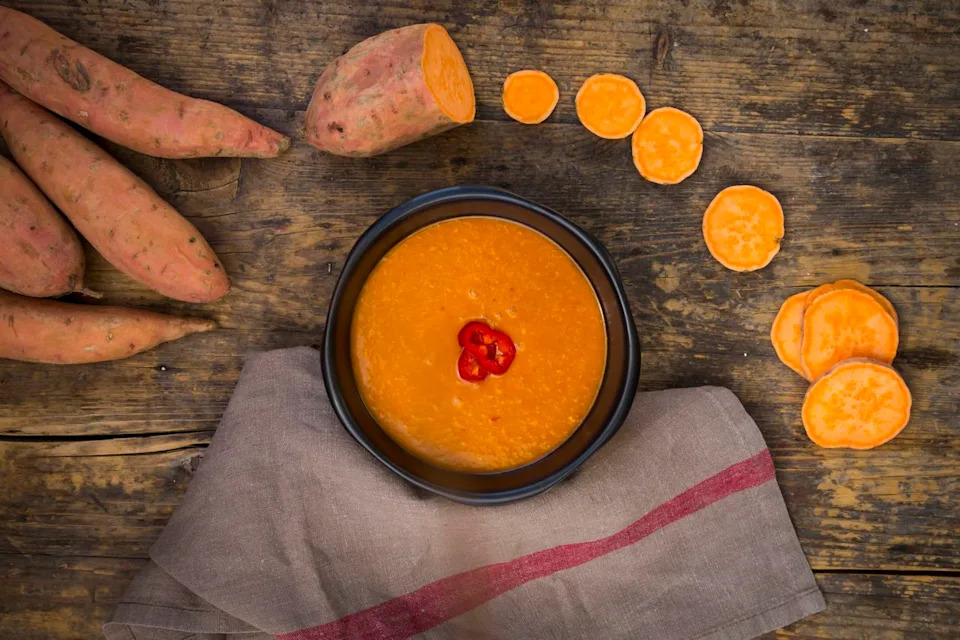
” are antioxidant superstars, packed with vitamins A and C, both powerful antioxidants that protect against cellular damage while supporting ,” shares Stacey Woodson, MS, RDN, LDN. ” strengthens immune function, while beta-carotene, an additional antioxidant that your body converts to vitamin A, gives them their beautiful orange hue. Adding cooked sweet potato to smoothies is a fun and delicious way to improve texture and add natural sweetness, while boosting your antioxidant and fiber intake.”
Advertisement
Advertisement
08 of 10
Corn
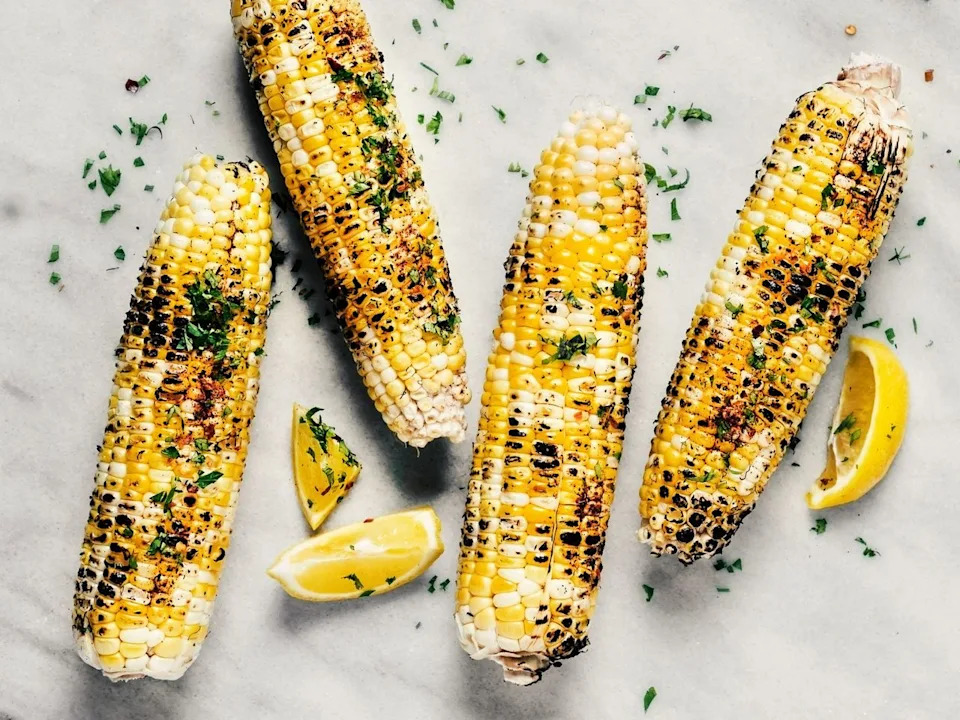
” on the cob is one of the best bites at the farmers market in August,” says Sue A. James, MS, RDN, LDN. “It’s rich in antioxidants like vitamin C and lutein, which support a healthy immune system and protect your vision. Enjoy corn fresh off the cob, tossed into salads, or use the cobs to add flavor to soups.”
09 of 10
Artichokes
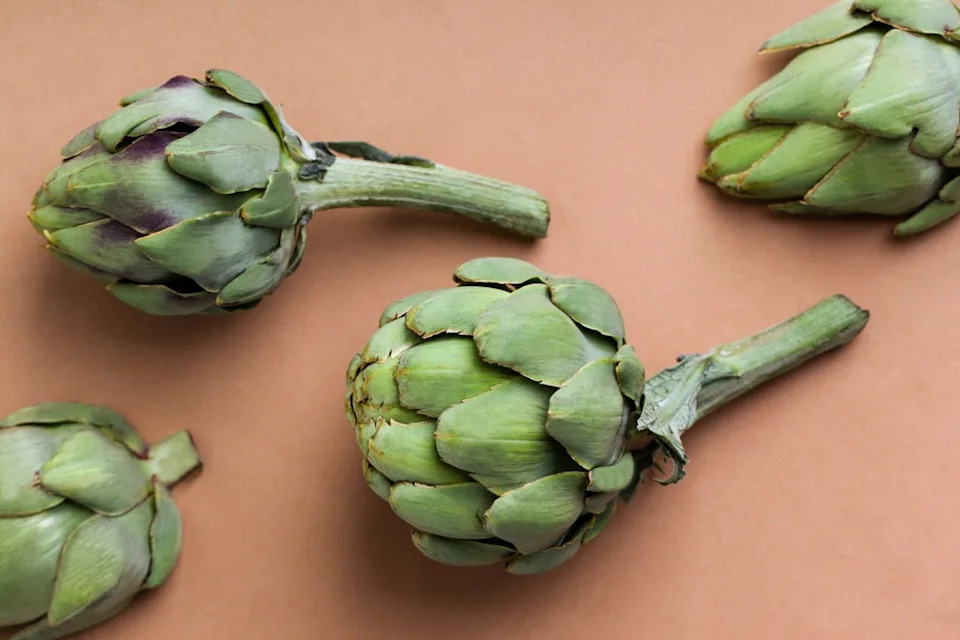
may look intimidating, but artichoke leaves and artichoke hearts are a greateat vegetable to try—packed with antioxidants that help protect cells from damage,” James says. “Artichokes contain powerful compounds like carotenoids, anthocyanins, and flavonoids. Try them steamed, roasted, or baked for a delicious summer treat.”
Advertisement
Advertisement
Related: This Simple Lemon Zest Trick Instantly Upgrades Plain Yogurt to a Fancy Treat
10 of 10
Red Bell Peppers
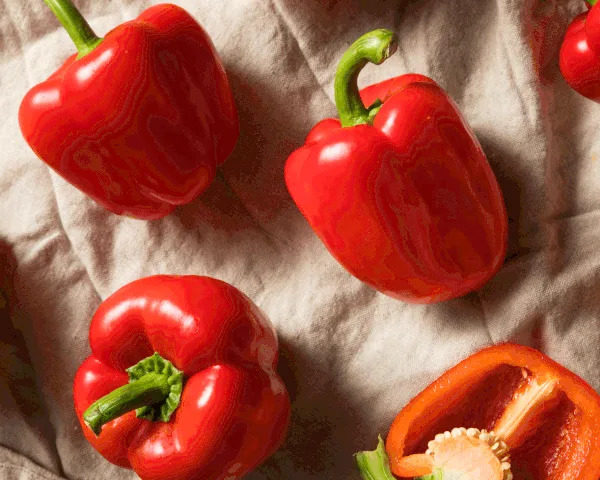
” are rich in antioxidants, vitamin C and carotenoids specifically, helping to support immune function and skin health,” explains Lena Bakovic, MS, RDN, CNSC. “Red bell peppers can be consumed raw, added to salads or stir fries, or simply roasted. They’re a great addition to your diet.”
Read the original article on Real Simple
