


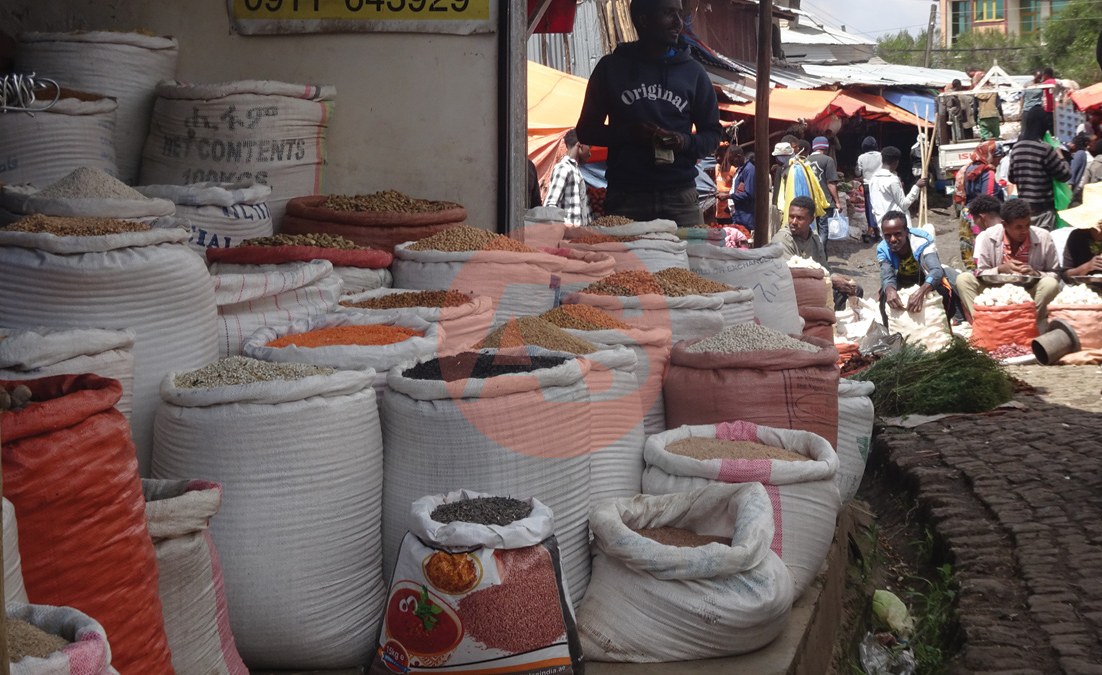
Most Malawians are being priced out of healthy food, with new global data revealing a dramatic surge in the cost of nutritious diets — pushing families towards increasingly unhealthy eating habits
A hard-hitting report from the Food and Agriculture Organisation (FAO) shows the price of a healthy diet in Malawi has more than doubled in just eight years, soaring from $2.38 in 2017 to $5.01 in 2025
At today’s prices, an average Malawian would need K263,000 a month simply to eat healthily — a figure wildly out of reach for most households
With 75.4% of Malawians living on less than $3 a day, and 71.3% surviving on under $2.15, millions are being forced into a stark daily dilemma: eat enough, or eat well — but not both
Keep up with the latest headlines on WhatsApp | LinkedIn
FAO warns that while healthy diets are essential for child development, public health and long-term livelihoods, unhealthy eating patterns are now entrenched across the world — and Malawi is no exception
Agricultural experts say the crisis is being fuelled by a food system built around maize, leaving fruits, vegetables, legumes, livestock, fish and dairy products under-produced and unaffordable
Farmers Union of Malawi president Maness Nkhata says the country’s maize-heavy policies have starved other nutritious foods of investment
“The supply of these foods has remained limited, contributing to high prices and making healthy diets unaffordable,” she said
She warns the problem is not just food prices — but a cocktail of climate shocks, inflation, a weakened kwacha, soaring input costs and low incomes, leaving households unable to diversify even when they want to
Centre for Agricultural Research and Development director Innocent Pangapanga-Phiri says Malawi must urgently challenge the idea that “food means maize”
He argues that diversifying crops and boosting livestock production would increase supply and push prices down
Consumers Association of Malawi executive director John Kapito says government must take a more active role in promoting dietary diversification and educating consumers about nutrition
The FAO report — prepared with IFAD, UNICEF, WFP and WHO — warns that countries must adopt targeted responses rather than one-size-fits-all solutions
For Malawi, experts say the priority is clear: produce more nutritious foods, strengthen livestock and fisheries, support farmers to diversify, and help households break free from maize-dependence
The stakes are rising fast
Malawi’s inability to afford healthy food is no longer just a food-security issue — it is becoming a nutrition and public-health emergency, especially for children and vulnerable families
