


Rare Stem T Cells Could Reshape Treatment Strategies for Chronic Diseases
A rare population of immune cells may play a central role in sustaining the body’s response to chronic diseases, including persistent infections, autoimmune disorders, and potentially cancer
Researchers from Memorial Sloan Kettering Cancer Center and Weill Cornell Medicine have identified a small subset of T cells, known as stem T cells, that continuously generate and replenish disease-fighting immune cells during prolonged immune responses. The findings, published in Cell on July 1, reveal that a protein called LEF1 is essential for maintaining these cells and controlling their long-term activity
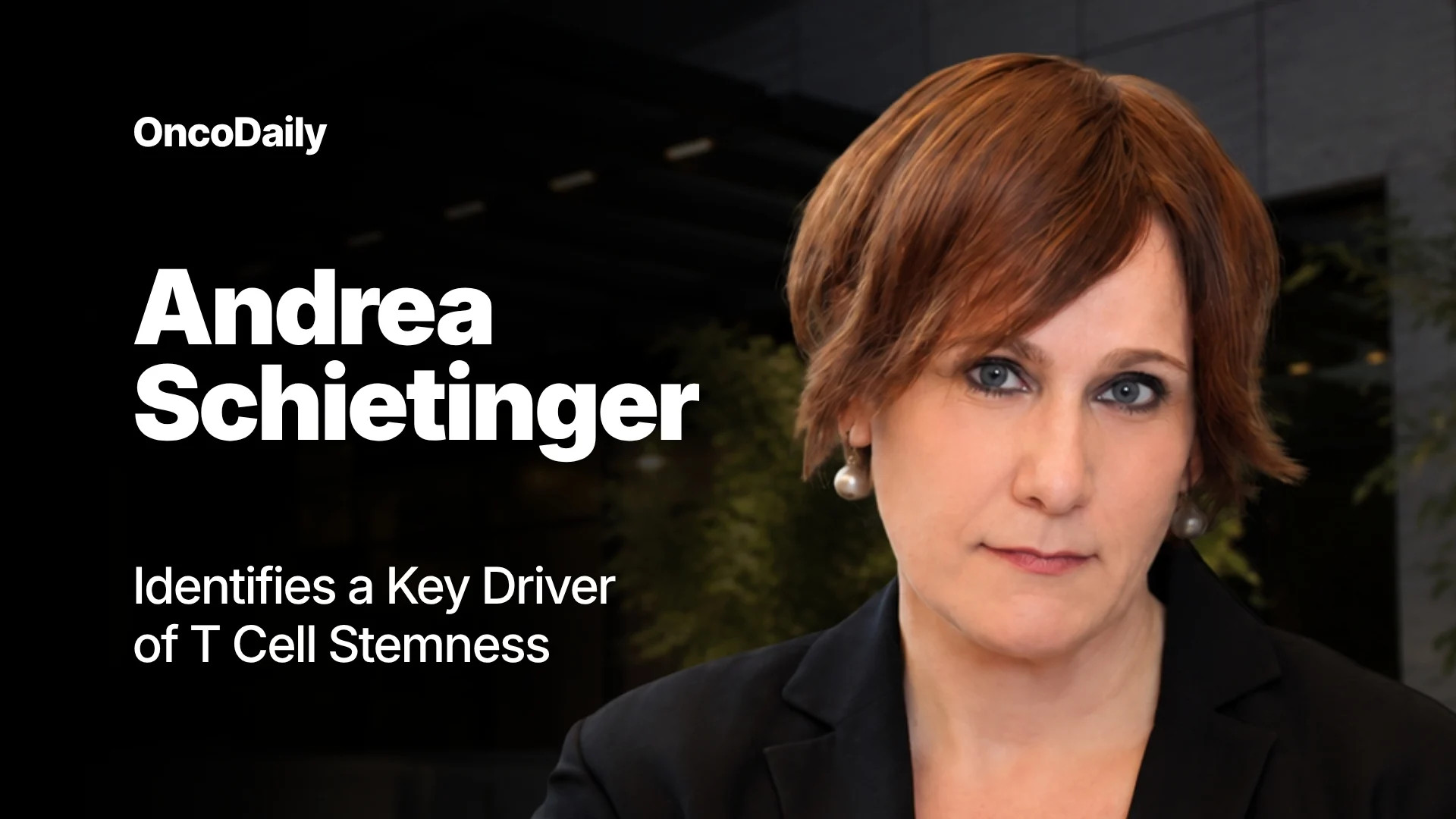
The study was led by co-first authors Svetlana Miakicheva and Katrina Hawley, PhD, of the laboratory of MSK cancer immunologist Andrea Schietinger, PhD, together with Paul Zumbo, senior staff scientist in the laboratory of Doron Betel, PhD, at Weill Cornell Medicine
Although the research focused on laboratory models of chronic viral infection and type 1 diabetes, the investigators believe the findings could also help guide future cancer treatment strategies
The Immune System’s Renewable Fighting Force
T cells are among the immune system’s most important defenders. They recognize and destroy infected, abnormal, or diseased cells. During a short-term immune response, existing T cells may be sufficient to control the threat. Chronic diseases, however, require the immune system to maintain its response over much longer periods
Until now, precisely how the immune system continued producing new disease-fighting T cells during these prolonged responses remained uncertain
The researchers found that rare stem T cells act as a renewableeveloped immune cells, this population retains the ability to persist, renew itself, and produce additional immune cells over time
These stem T cells were distinguished by their expression of LEF1, a protein that emerged as a central regulator of their survival and function
LEF1 Is More Than a Cellular Marker
To determine whether LEF1 merely identified stem T cells or actively controlled their behavior, the investigators used CRISPR gene editing to remove the LEF1 gene from the cells in mouse models
Without LEF1, the stem T cells lost their ability to persist and self-renew
The consequences differed depending on the disease model. In autoimmune diabetes, removing LEF1 disrupted the population of disease-causing T cells. As a result, the mice were significantly protected from developing diabetes because the immune cells could no longer sustain their attack on insulin-producing pancreatic cells
In the chronic viral infection model, increasing LEF1 levels produced the opposite effect. More stem T cells formed, while fewer cells progressed to the terminal, exhausted state associated with prolonged immune activity
The results demonstrate that LEF1 is not simply a sign of T cell stemness. It is a critical component of the biological machinery that allows these cells to survive and renew themselves
Whether LEF1 activity should be increased or suppressed would depend on the disease. In chronic infection or cancer, strengthening this stem-cell population could help preserve a durable immune response. In autoimmune disease, disrupting the same population could prevent harmful immune cells from continuously attacking healthy tissues
Opposite Diseases, Shared Immune Biology
One of the study’s most notable findings emerged when the researchers compared stem T cells from autoimmune diabetes with those found during chronic viral infection
The two conditions appear biologically distinct. In autoimmune diabetes, T cells remain highly active and destroy healthy insulin-producing cells. During chronic viral infection, T cells gradually lose their functional capacity and become exhausted, allowing the infection to persist
Despite these opposing patterns, molecular analysis showed that the stem T cells from both diseases were remarkably similar
When the researchers mapped their molecular profiles using computational visualization, the two populations clustered together as a single group. The team also identified 117 genes that followed the same pattern of activation or suppression across both diseases
The finding suggests that LEF1-driven stemness is not restricted to one condition. Instead, it may represent a fundamental mechanism through which the immune system sustains T cell populations during chronic stress
This shared biological program could offer opportunities to develop treatments that target the underlying immune mechanism rather than focusing exclusively on individual diseases
Stem T Cells Depend on Their Surroundings
The researchers also found that the persistence of stem T cells depends not only on their internal biology but also on their physical location
Like stem cells in the intestine, bone marrow, skin, and other tissues, immune stem T cells appear to require specialized environments, often referred to as niches. These locations provide the signals necessary for the cells to survive and retain their stem-like properties
Each T cell population carried distinct molecular “address labels” that directed it to specific areas within lymph nodes and tissues
Working with the laboratory of MSK physician-scientist Ivan Maillard, MD, PhD, the investigators disrupted these location signals by blocking proteins called integrins or interfering with the Notch signaling pathway
When these signals were interrupted, the stem T cell population collapsed
The results show that stemness is determined not only by the genes and proteins operating inside a cell, but also by the surrounding tissue environment and the signals the cell receives from its niche
A Potential New Direction for Cancer Immunotherapy
Cancer was not directly examined in the study, but the findings have clear relevance to cancer immunology
Cancer is a chronic disease in which T cells may gradually lose their ability to recognize and destroy malignant cells. This process, commonly described as T cell exhaustion, can limit the durability of the immune response and reduce the effectiveness of immunotherapies
Dr. Schietinger and her colleagues are now investigating whether LEF1-positive stem T cells could help sustain longer-lasting antitumor immunity
Increasing the number or activity of these cells could potentially maintain a continuous supply of cancer-fighting T cells. Researchers may also be able to design or engineer supportive niches where antitumor stem T cells can form, survive, and replenish the broader immune-cell population
Such strategies could complement existing cancer immunotherapies by addressing one of their central challenges: maintaining an effective immune response over time
The work also aligns with the Marie-Josée and Henry R. Kravis Cancer Ecosystems Project at MSK, which examines cancer as a complex biological system shaped by interactions among tumor cells, immune cells, and surrounding tissues
Understanding where cancer-fighting T cells live, how they maintain themselves, and which environmental signals support them could open new approaches to strengthening immune control of tumors
One Mechanism, Different Therapeutic Goals
The study highlights how the same immune mechanism may produce very different therapeutic opportunities
In autoimmune disorders, stem T cells may sustain populations that continue damaging healthy tissue. Targeting LEF1 or disrupting the cellular niche could therefore help weaken the harmful immune response
In chronic infections, increasing LEF1 activity could preserve the stem T cell pool, reduce terminal exhaustion, and maintain the immune system’s ability to produce functional disease-fighting cells
In cancer, a similar approach could potentially support durable antitumor immunity and improve the long-term effectiveness of immune-based treatments
These contrasting possibilities reflect the importance of disease context. The objective would not be simply to activate or suppress the immune system, but to control the stem-cell population responsible for renewing the response
From Fundamental Biology to Future Treatments
The findings demonstrate the value of studying the fundamental mechanisms that govern immune-cell development and persistence
The work suggests that LEF1 and the specialized niches supporting stem T cells may become important therapeutic targets. Although additional studies will be needed before these findings can be translated into treatments, the research establishes a foundation for new strategies across autoimmune disease, chronic infection, and cancer
Written by Nare Hovhannisyan, MD
You can read more in-depth oncology stories on OncoDaily
- Voices
Andrea Schietingerantitumor immunityautoimmune diseasesBasic Sciencecancer immunologycancer immunotherapyCell BiologyCell JournalCellular Nicheschronic diseasesChronic Viral InfectionsCRISPR Gene EditingDoron BetelImmune Cell Persistenceimmune systemimmunology researchimmunotherapy researchIntegrinsLEF1Memorial Sloan Kettering Cancer CenterNotch signalingSloan Kettering InstituteStem T CellsT Cell RenewalT Cell StemnessT-Cell Exhaustiontranslational researchtumor immunologytype 1 diabetesWeill Cornell Medicine
