


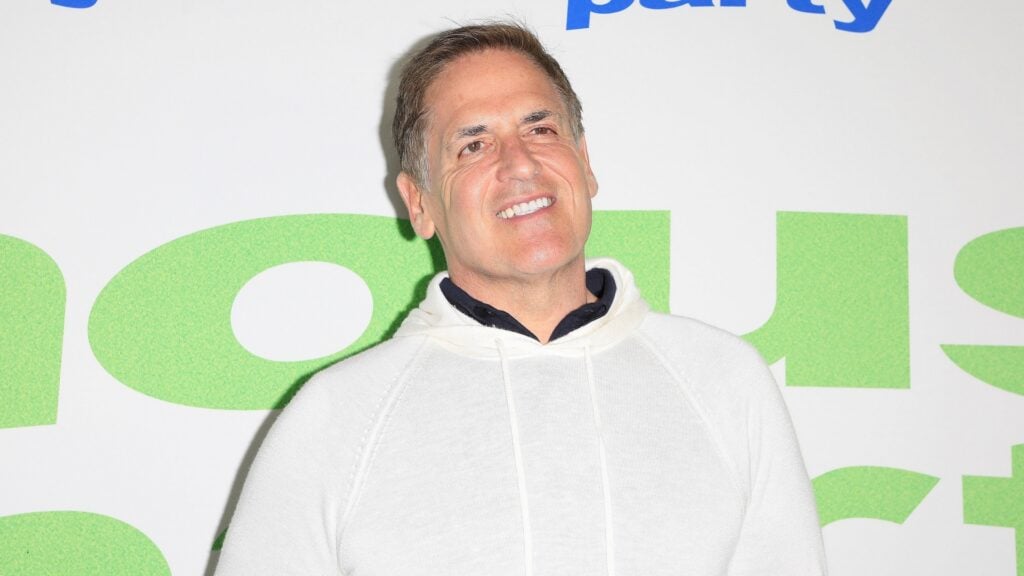
Billionaire entrepreneur Mark Cuban argued that companies may be overspending on healthcare because executives lack visibility into complex insurance contracts and urged them to use artificial intelligence tools to identify hidden costs
Cuban Targets Healthcare Costs With AI
On Saturday, in a post on X, Cuban criticized the U.S. employer healthcare system, arguing that companies often struggle to challenge rising costs because HR teams are overwhelmed and depend on large healthcare providers
“CEOs turn to their Head of HR. HR is understaffed,” he wrote
He added, “They are being asked to take care of all their employees and families and all the issues associated with keeping them as healthy and sane and productive give as possible.”
Cuban said employers often rely on insurance carriers, administrative services organizations (ASOs) and pharmacy benefit managers (PBMs) because switching providers can create challenges for employees
“The vertically integrated conglomerates that own the ASO, PBM, ClearingHouse and so many more companies that have contracts with the employer, know they are afraid to change, so they take advantage,” Cuban said
He argued that brokers and consultants may also discourage major changes because switching healthcare providers requires additional work
Cuban recommended that CEOs use AI tools to review healthcare contracts and identify potential problems
“What I told a CEO today? Take a off of all of your healthcare contracts and put it in your Claude, ChatGPT, Grok, Gemini, whatever and use this prompt,” he wrote
He added, “Where are they ripping me off, They are always shocked.”
AI Transforms Healthcare
Earlier, Marc Andreessen praised an OpenAI evaluation showing physicians found fewer flaws in GPT-5.6’s medical responses than in doctor-written responses, saying, “AI is already a better doctor than 99.99% of human doctors.”
Microsoft AI CEO Mustafa Suleyman also called healthcare one of AI’s most important applications as Microsoft and MayoClinic partnered to develop a healthcare-focused AI model aimed at improving diagnoses, treatment decisions and patient outcomes
A West Health-Gallup survey also found 25% of U.S. adults had used AI tools for health information, with many relying on platforms like ChatGPT and Microsoft Copilot to research symptoms and prepare for medical visits
The survey highlighted AI’s growing use alongside traditional healthcare while concerns over accuracy and trust remained
Disclaimer: This content was partially produced with the help of AI tools and was reviewed and
Market News and Data brought to you by Benzinga APIs
© 2026 Benzinga.com. Benzinga does not provide investment advice. All rights reserved.
To add Benzinga News as your preferred
