


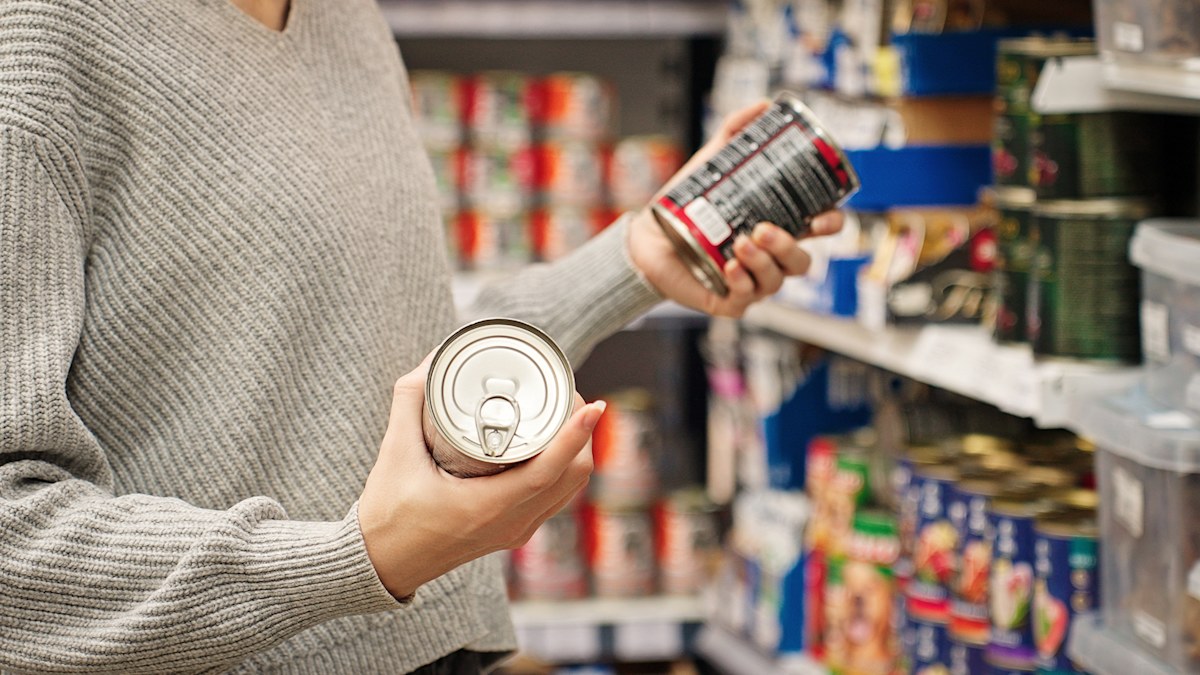
Tinned food isn’t exactly the most glamorous aisle of a supermarket – partly thanks to its associations with last-resort cooking and emergency stockpiling
Yet in the last few years, certain canned staples have been propelled to ‘cool kid’ status in the world of online recipe content. White beans have been the stars of FoodTok trends like ‘Marry Me’ beans and dense bean salads, while sardines have become so sought-after, there have been reports of bare shelves
While we’re often quick to dismiss canned foods in favour of fresh, accredited practising dietitian Joel Feren says many “deserve far more credit than they get”
“The tinned food aisle is full of affordable, nutritious ingredients,” he tells nine.com.au
“Many canned foods are processed in a way that simply preserves them, rather than stripping away their nutritional value.”

Read more
With sardines missing from shelves, here are the best tinned fish options
While beans and sardines enjoy a moment in the spotlight, we began to wonder what other affordable, healthy gems are sitting patiently in the tinned food aisle, waiting for their turn in the trolley. Here’s what Feren recommends
Legumes
Butter beans and cannellini beans are having their moment, but they’re not the only canned legumes worth your time and money (not that they cost a lot)
Advertisement
“Beans, chickpeas, lentils and other legumes are nutritional powerhouses. They’repacked with fibre, plant protein, iron, folate to name just a few,” Feren says
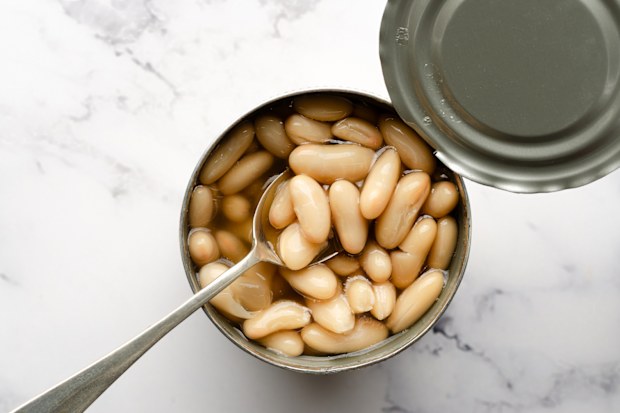
“They’re also incredibly versatile and can help bulk out meals while keeping costs down. It’s a win-win.”
Feren suggests adding them to salads, pasta sauces, burger patties, soups, curries and dips
Advertisement
Advertisement
“Choose varieties with little to no added salt where possible, or simply drain and rinse them to reduce the sodium content. I like to support local brands where possible, such as Edgell and SPC,” he adds
Tomatoes
Chances are there’s already a tin sitting in your pantry, but if not, consider adding some tomatoes to your next grocery shopping list
Advertisement
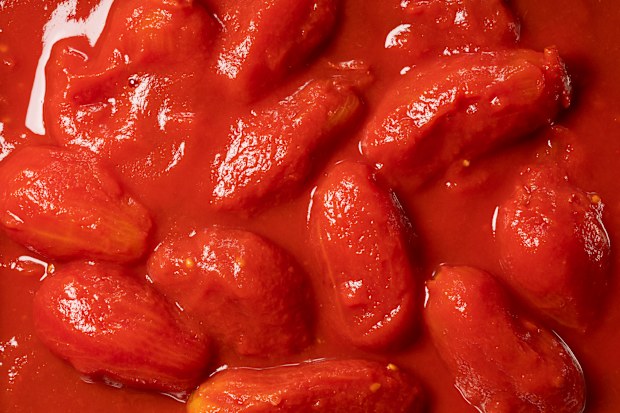
“Tinned tomatoes are a pantry staple that forms the backbone of countless healthy meals,” Feren says
“They are rich in lycopene, an antioxidant that is good for the prostate (take note, fellas). Look for tomatoes without added sugar or salt.”
He suggests using them in pasta sauces, soup, shakshuka and casseroles
Advertisement
Advertisement
Read more
Aussie chefs share their favourite way to use a bag of frozen peas
Vegetables
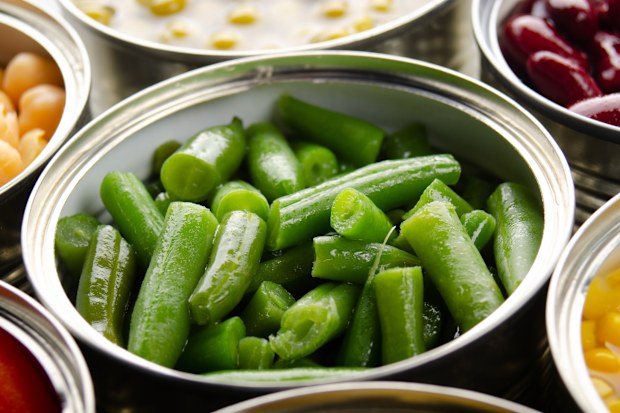
Fresh veggies look so lovely and colourful as you walk into the store, but their tinned counterparts can also pack a punch nutritionally
Feren says cans of corn, beetroot and green beans offer fibre, folate and antioxidants
Advertisement
“Add them to salads and dips or pair them with a balanced meal, and look for tinned vegetables with minimal added salt,” he adds
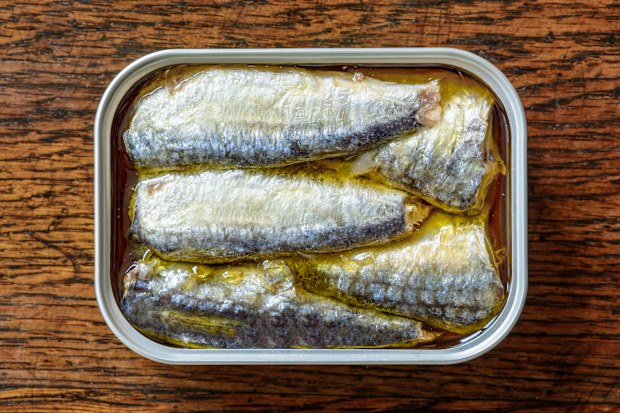
Yes, sardines are the ‘It girl’ of the tinned fish world, but Feren says not to overlook their neighbours on the supermarket shelf, namely salmon, tuna and mackerel
Advertisement
Advertisement
“They’re excellentines) with bones also provide a significant calcium boost,” he says
“Choose varieties in springwater or olive oil, depending on your preference, and compare sodium levels if you’re eating them regularly.”
Feren suggests tossing your tinned fish through pasta, adding them to salads and heroing them on sandwiches
Advertisement
The dietitian says these supermarket staples prove healthy eating “doesn’t have to be overly complicated or expensive”
“Stocking your pantry with nutritious convenience foods … is a simple thing you can do for your health and hip pocket,” he adds
“These ingredients remove barriers to cooking, reduce food waste and make it easier to prepare balanced meals. That’s cause for celebration in my books.”

Sardines, beans and beyond: The tinned foods a dietitian says you should put in your trolley
Expert’s wake-up call for people who go to bed wearing earphones
Australia facing calls to ban energy drinks for under-16s after major UK crackdown
‘You’re too young’: Dangerous myth behind Australia’s explosion in bowel cancer cases


