


Getting your Trinity Audio player ready…
Southern California is in the middle of another summer heat wave, but even soaring temperatures won’t stop the back-to-school season. As children and teens return to the classroom and after-school sports, staying hydrated is especially important. With so many beverages marketed to families, from sports drinks to energy drinks, it can be difficult to know which ones are actually worth buying or passing up
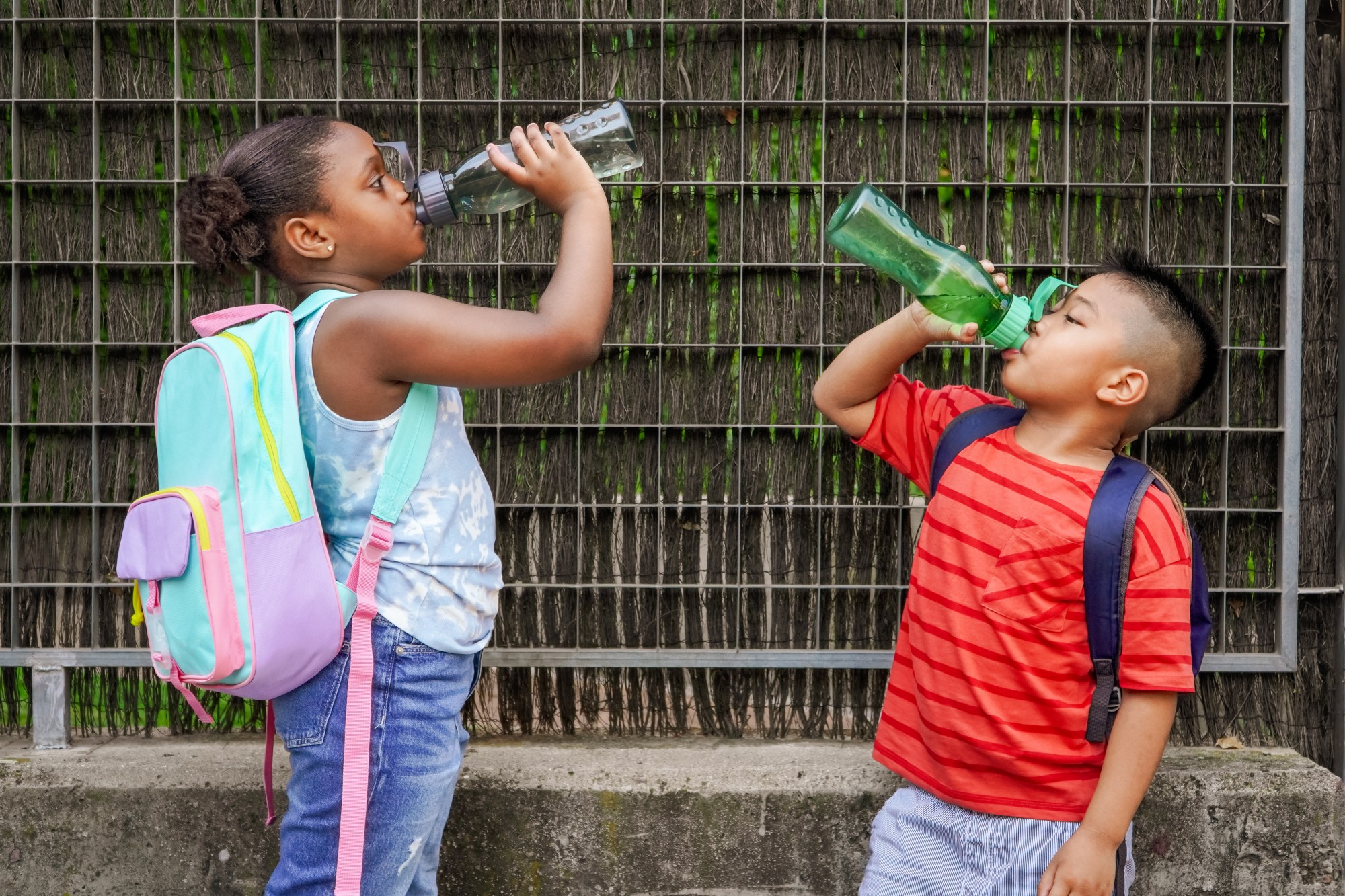
For most children and teens, water remains the best everyday hydration choice. A refillable water bottle packed for school can help encourage regular drinking throughout the day, especially when students are busy and may not realize they need to drink more water. Staying well hydrated supports energy levels, concentration and physical performance, not just during recess and sports, but throughout the school day
Sports drinks contain water, carbohydrates and electrolytes designed to replace what is lost through sweat during prolonged, vigorous exercise. Sports drinks may be appropriate for activities lasting about 60 to 90 minutes or longer, such as extended practices, tournaments, endurance events or other exercise in hot weather
However, most children do not need a sports drink for routine activities. For a typical school day, physical education class, recess or a shorter practice, water is usually enough. The decision to use a sports drink should be based on the intensity and duration of the activity, not simply because a child is participating in a sport
Despite similarities in names and packaging, energy drinks are not the same as sports drinks. Energy drinks are marketed to increase alertness and physical performance, and to reduce feelings of fatigue, not to hydrate the body. They often contain high levels of caffeine and other stimulant ingredients
The American Academy of Pediatrics recommends that children and adolescents avoid energy drinks because of their stimulant content. Caffeine can interfere with sleep, increase feelings of nervousness or anxiety and affect heart rate and blood pressure. For growing children and teens, adequate sleep, balanced meals and proper hydration are healthy ways to support energy, learning and athletic performance
Parents should also be mindful of newer hydration products, including electrolyte powders and mixes promoted on social media. While these products may be useful in certain situations involving prolonged, intense exercise and heavy sweating, they are not necessary for most healthy children participating in everyday activities
Here are a few simple ways parents, caregivers and educators can help young people build healthy hydration habits:
1. Encourage water first. Send children to school with a refillable water bottle and encourage them to drink regularly throughout the day
2. Schedule hydration breaks. Remind young athletes to drink before, during and after activity, especially during hot weather
3. Know the warning signs. Fatigue, headache, dizziness and dark-colored urine may indicate a child needs more fluids
4. Choose beverages wisely. Water should be the primary beverage. Plain milk, unsweetened fortified plant milks and occasionally diluted 100% fruit juice can also contribute to hydration
5. Use sports drinks strategically. Reserve them for prolonged, vigorous exercise in the heat and avoid energy drinks for children and teens
Helping children build healthy hydration habits now can support their health, learning and performance throughout the school year
LeeAnn Weintraub, MPH, RD is a registered dietitian, providing nutrition counseling and consulting to individuals, families and organizations. She can be reached by email at RD@halfacup.com
