


San Antonio study finds that even light exercise can protect the aging brain
By
Bonnie Petrie
Published August 13, 2026 at 12:22 PM CDT
Ways To Subscribe
Science Photo Library/Science Photo Library via Reuter
/
JBP
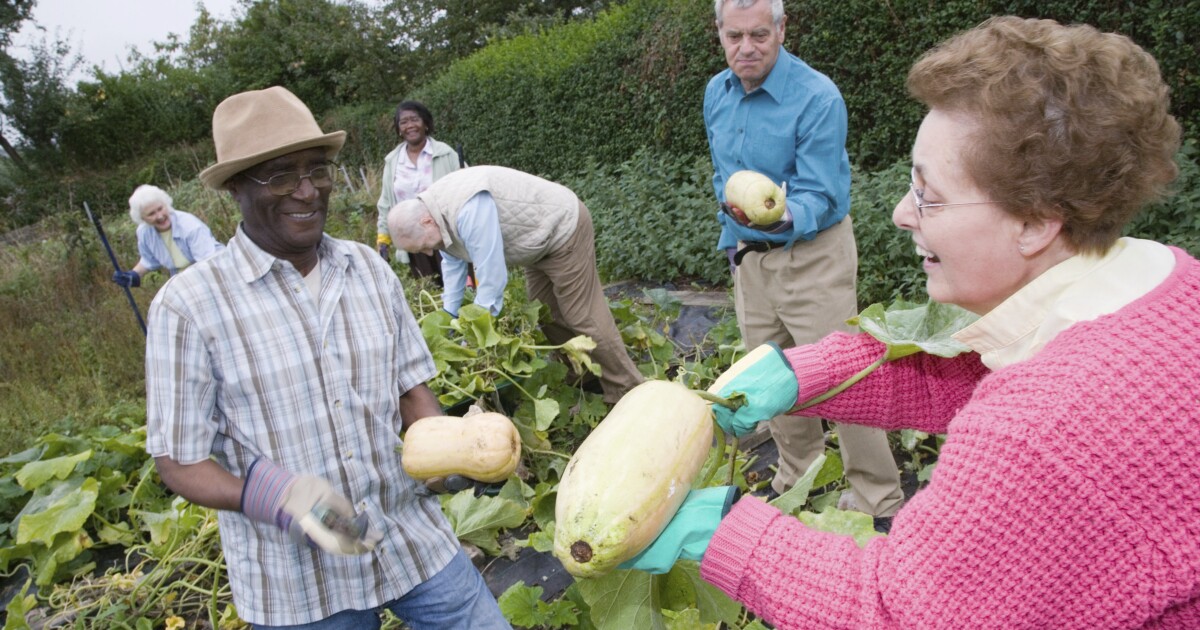
A new study from UT Health San Antonio’s Glenn Biggs Institute for Alzheimer’s and Neurodegenerative Diseases has found that almost any amount of physical activity, from gardening to dancing to walking, can slow cognitive decline in older adults, with the strongest benefits seen among Mexican American participants
Researchers examined blood pressure, cholesterol, blood glucose, body mass index, and behavioral factors like smoking, diet, and exercise. Across the board, participants who engaged in any physical activity showed slower cognitive decline than those who remained inactive
“Any activity protected your brain down the road in both Mexican American and non-Hispanic white participants,” said UT Health San Antonio’s Claudia Satizabal, an associate professor and one of the lead authors of the study. “But this was particularly important for Mexican American participants. We saw the biggest gain there.”
The finding matters because Hispanic adults face a disproportionate burden of Alzheimer’s disease. Satizabal said 14% of Hispanic adults 65 and older have the condition, compared with 10% of non-Hispanic adults. Hispanic populations have also historically been underrepresented in Alzheimer’s research, a gap the Biggs Institute is working to close using decades-old data from the landmark San Antonio Heart Study, which tracked cardiovascular and diabetes risk in the city from 1979 to 2004. Researchers are now reconnecting with surviving participants for a follow-up called theSan Antonio Heart and Mind Study, or SAHMS. “It’s very important because we know that Hispanics are at a higher risk of dementia, and we need to understand why,” Satizabal said. “So the best way to do it is by studying our population here, including participants from our region, and using all the data we have available to understand those trends.”
Satizabal pointed to two possible explanations for the exercise findings: physical activity boosts brain-protective proteins like brain-derived neurotrophic factor, and it often builds social connection, which independently supports brain health
Researchers say community investment in walkable spaces and accessible activity programs could help translate the findings into public health gains
Guest: Claudia Satizabal, PhD, associate professor in the Department of Population Health Sciences at UT Health San Antonio and director of the Population Neuroscience Core at the Glenn Biggs Institute for Alzheimer’s and Neurodegenerative Diseases
