



 Marygrace Taylor
Wed, August 12, 2026 at 8:47 PM UTC
“Hearst Magazines and AOL may earn commission or revenue on some items through these links.”
How many times have you heard a friend say, “When I was younger, I could eat burgers and milkshakes all day long and never gain a pound.” (Or, ahem, maybe you’ve said that?)
As the theory goes, when you’re in your teens and 20s, your metabolism is like a super-efficient engine, burning off calories as quickly as you can scarf them down. But once you hit your 30s, everything starts to slow down. By the time you’re in your 40s and 50s, the numbers on the scale have crept up and you can’t even think about squeezing into those slim-fit jeans you used to love
You might feel pressured to spend more time at the gym and rethink your diet in an attempt to fight back. The conventional wisdom has been that metabolism inevitably gets slower with age, and there’s not a thing you can do about it
But that’s not quite true, according to research
Experts have long thought that metabolism—the process by which the body converts food into energy—slows as you age, resulting in inevitable midlife weight gain. But landmark research published in the journal Science showed we might have had it all wrong
In fact, the study, which looked at 6,500 males and females (ranging from 8 days to 95 years old) over the course of 40 years, concluded that metabolism actually remains remarkably stable from ages 20 to 60. And while it does start to slow after age 60, the change is much smaller than you would think, happening at a rate of just 7% per decade. (To put that in perspective, a body burning around 1,400 calories per day at age 60 would burn around 1,300 calories per day by age 70.)
So, wait a second—this means your body isn’tworking against your efforts to stay at a healthy weight after all! But then… why do you look so much slimmer when you flip through photos of yourself in your 20s? And why does the average American adult put on around 9 pounds over 10 years, according to a review in the Journal of Obesity?
It turns out that it’s not so much our bodies that are changing, but our habits, which makes it easier to add fat, says metabolism researcher Herman Pontzer, Ph.D., co-author of the Science study and author of Burn
To put it more plainly, as we get older, we simply tend to eat more and move less. This can be due to many things, including having a lot more to deal with than when we were carefree kids-about-town. But if you can gain control of some of your less-than-healthy habits, you’ll keep calories from creeping in and causing your weight to creep up
Here, experts discuss five science-backed strategies you can start today
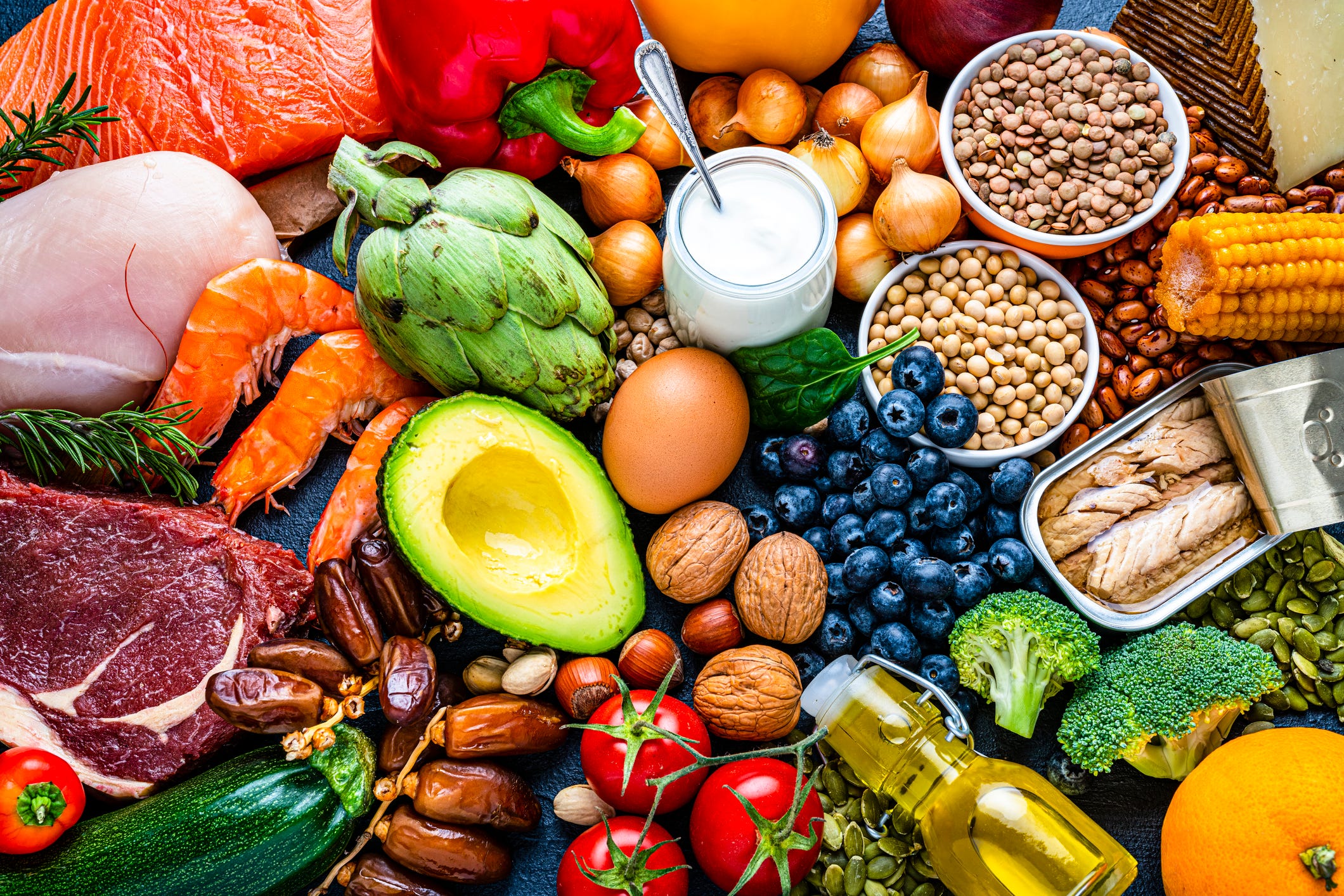
1. Eat More Mindfully
If a food, beverage, or supplement is labeled “metabolism-boosting,” be very skeptical. There’s no magic potion that will change your metabolism, but it’s true that the foods we eat play a role in how our bodies function
It’s incredibly easy to get into the habit of grabbing snack foods because, well, they taste good, they’re easy, and they’re right there in your pantry! But most of us aren’t actually hungry when we’re eating on autopilot, and those extra bites can easily add up to weight gain, Pontzer says. In fact, distracted eating causes people to take in around 10% more calories in the moment—and up to 25% more calories at later meals, concluded an American Journal of Clinical Nutrition review
That doesn’t mean you have to cut out your favorite indulgences completely. It just means you need to be more intentional about how you eat them. “It’s more about focusing on why you’re eating instead of what you’re eating,” says Susan Albers, Psy.D., mindful eating expert and author of Hanger Management. “Once you shift toward more mindful eating habits, it move the needle for your weight.”
That can be as simple as checking in with your body to see if you’re actually hungry before taking a bite of something. If you arehungry, great! Sit down, put your phone away, and enjoy yourself. If not, put the food back in the fridge and go take a walk, or distract yourself by reading a book or calling a friend. When your stomach starts rumbling later, the food will still be there
2. Choose Foods That Actually Fill You Up
If you eat foods that have your stomach grumbling 15 minutes later, you should rethink your choices, Pontzer explains. Instead, focus on foods that really satisfy you, and you’ll be less likely to come back for more just a short while later
This means focusing on meals rich in protein, fiber, and healthy fat, says Seattle-based nutrition expert Liz Wysonick, M.S., R.D.N. “These well-rounded meals can be thought of as fire-friendly fuel logs that will feed and sustain your fire’s burning capacity because they’re digested at a slow, steady rate,” she says
On the flip side, foods containing mostly refined carbohydrates or sugar, such as white bread, white pasta, and baked goods, might have the opposite effect. Because they’re digested rapidly, they cause the body’s blood sugar to quickly spike and drop, which can leave you feeling hungry again shortly after you eat
It’s fine to enjoy a cookie or a muffin every once in a while, of course. But increasingly, evidence shows that consuming too many foods high in refined carbs may actually affect the body’s blood sugar levels in a way that tricks the brain into thinking the body is fasting. That, in turn, prompts the body to store the carby calories as fat—while encouraging you to eat even more
To make your meals more filling (and still delicious!), choose fiber-rich whole grains such as brown rice or whole wheat pasta and pair them with a lean protein, a healthy fat (such as olive oil or avocado), and a serving of veggies or fruit. For those midday snacks, “think produce plus protein,” Wysonick recommends. Some favorites: Greek yogurt with berries, hummus and crudités, or apple slices with peanut butter

3. Muscle Up
While no special product is going to boost your metabolism, there is one proven way to get your body to burn more calories: Build more muscle, which burns more calories than fat
“Muscle mass is the number-one predictor of metabolic rate,” says Lara Dugas, Ph.D., who studies exercise physiology and metabolism at Loyola University Chicago. “The longer you can preserve your muscle mass, the longer you can preserve your metabolic rate.”
The best way to do this is by including resistance training in your fitness routine: It’s the best way to preserve and build lean muscle tissue. In fact, a PLoS Medicine study that followed men and women with healthy body weight found that those who engaged in one to two hours of resistance training per week were 30% less likely to become obese over nearly two decades. You should aim to work all the major muscle groups at least twice a week
Keep in mind that even though calorie-burning doesn’t start to decline until you hit your 60s, you’ll reap more benefits when you start working those muscles decades earlier. After 60, it’s tough for the body to build back muscle that’s already been lost. “It’s easier to maintain what you’ve got than to build it back up,” explains Dugas
4. Get Your Cardio, But Don’t Overdo It
In addition to weight training, you should keep up aerobic exercise as well, which increases your total calorie burn for the day, and, along with changes in your diet, will keep the pounds from piling on
Research shows that physical activity combined with an overall healthy eating plan can make you much more likely to achieve a healthy weight compared to just changing your diet or exercising alone
Aim to get 30 minutes of moderate aerobic exercise at least five days a week (or 75 minutes of vigorous exercise over the course of the week). While it’s perfectly fine to get extra exercise if you enjoy being active, going above and beyond 150 minutes of physical activity per week doesn’t seem to contribute to weight maintenance or weight loss over the long term, concluded an American Diabetes Association review. Why? Exercising more may simply drive you to compensate by eating more, basically leaving you right where you started.
Walking, cycling, and jogging are fine places to start, and you can incorporate them into your routine without committing to classes or expensive gym memberships
If you want to get more vigorous, Dugas recommends working up to high-intensity interval training (HIIT). It boosts calorie-burning for a longer period after exercise is over, she says
Also helpful: Make the effort to sit less, stand more, and get bits of movement throughout the day. Long periods of sitting cause the body to burn fewer total daily calories, evenamong routine exercisers. On the other hand, taking frequent walking or standing breaks, pacing, or even fidgeting can encourage your body to burn extra little bits of energy all day long, concluded one Mayo Clinic Proceedings review
5. Manage Your Stress and Sleep
To really support your body’s ability to burn calories effectively, it’s wise to think about your life in a holistic way—that is, beyond eating and working out. Too much stress and not enough sleep can wreak havoc on your ability to make healthy choices. Both stress and exhaustion can ramp up your appetite cravings for sugary foods and zap your motivation to be active, and over time, contribute to weight gain, concluded an analysis published in the journal Obesity Reviews
For that, you can thank the stress hormone cortisol, which increases when we’re frazzled or sleep-deprived (or both), notes Thomas Bradley Raper, M.D., a sleep medicine physician with Texas Health Presbyterian Hospital Dallas
A hard day or night of bad sleep won’t pack on the pounds, of course. But over time, ongoing stressors can cause cortisol levels to get “stuck” on high, potentially setting the stage for weight gain
The path to calm can look different for different people, of course. But taking breaks when you feel overwhelmed, making regular time to do things you enjoy, and taking breaks from your social media can all play roles in taming the tension. Once you make your way into a more relaxed state, you might find that getting the recommended seven to eight hours of sleep per night—and making healthier choices during the day—comes a little easier
You Might Also Like
Common Household Items Linked to Thousands of Deaths From Heart Disease
I Slept on the Saatva Classic Mattress for 5 Months—Here’s My Verdict
