


Antibiotic-resistant bacteria increasingly leaving children vulnerable to common infections, global study finds
Exclusive:Research spanning 82 countries finds antibiotic resistance increased in every region between 2004 and 2022
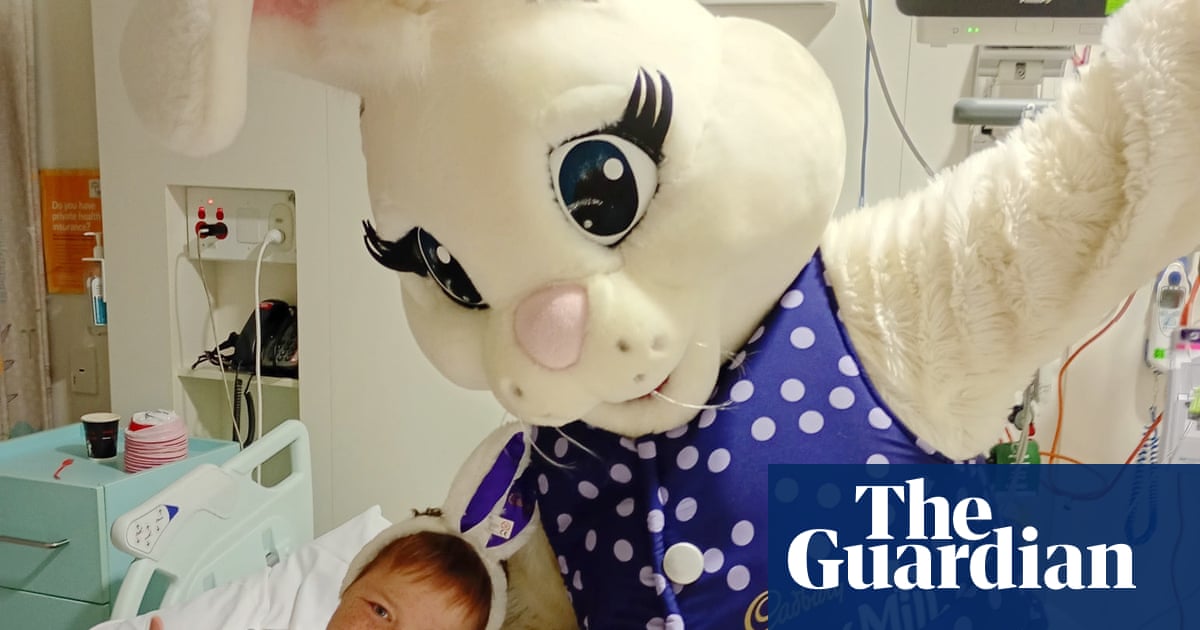
Harry Booth has had a rough run through Australia’s coldest months. The 13-year-old has been in and out of hospital with a range of common chest and urinary tract infections that his doctors found challenging to treat
Harry was born with kidney failure and began dialysis at six months old, before receiving a kidney transplant from his father at age four. The surgery saved his life but comes with a trade-off: he now needs to take medications that suppress his immune system to prevent his body from rejecting the kidney
It makes him morevulnerable to infections – and the bacteria which cause these are resistant to several commonly used antibiotics
Instead, doctors reach for different, less commonly used drugs and administer them intravenously for several days, before sometimes giving him oral antibiotics. Once, he required a procedure to clean the bacteria from his bladder
The treatments are often demanding and take him away from home and school
Frequent antibiotic use is often a medically necessary, life-saving treatment for patients like Harry but using the same antibiotic too much can also make bacteria resistant to it
‘Alarming’ rates of babies with antibiotic-resistant bugs in Asia-Pacific, Australian study finds
Read more
His mother, Eileen, says while back-up treatments are working, she worries about what will happen if her son’s infections become resistant to those drugs, too. As it stands, they are carefully treated only if they meet certain symptom and bacteria thresholds
Harry is not an outlier
Life-saving drugs used to treat common childhood infections are increasingly failing and the resistance of bacteria to these medicines will only worsen over the next decade, a global analysis has found
Led by Murdoch Children’s Research Institute (MCRI) in collaboration with the University of Sydney in Australia, researchers analysed 106,581 infection samples from children aged up to 18 years old across 82 countries
They found antibiotic resistance – when bacteria are no longer killed by antimicrobial medicines – increased in every region between 2004 and 2022
Babies and children in intensive care, and countries with fewer healthcare re the Journal of the American Medical Association on Tuesday
Paper co-author and MCRI associate professor Penelope Bryant, who is also one of Harry’s doctors, said severe infections such as sepsis and pneumonia are driving the increase
These are often caused by Acinetobacter baumannii, a bacterium with a tough double-membrane and the highest level of drug resistance, according to the findings
The study found another bacterium,Klebsiella, a common cause of urinary tract infections and liver abscesses, recorded the fastest increase in resistance, particularly in south-east Asia, eastern Europe and the western Pacific
The researchers also used statistical modelling and found resistance to last-line antibiotics is projected to rise substantially by 2035, reaching 82% and 35% for Acinetobacter baumannii and Klebsiella respectively
“We are finding antibiotic resistance not just in severe diseases but in more simple, uncomplicated infections such as urinary tract infections in children,” Bryant said
Despite antimicrobial resistance being one of the biggest threats to children’s health globally, Bryant said children had been largely overlooked in global antibiotic resistance surveillance and research, resulting in a lack of child-friendly antibiotic formulations or clear child-dosing guidelines
This is because there is sometimes a reluctance to run trials on children and developing treatments for them can be less lucrative for pharmaceutical companies, she said
Children are also especially vulnerable as they experience high rates of bacterial infections and have fewer antibiotic options than adults
To better understand antibiotic resistance by country, bacteria and type of drug, Bryant and her colleagues launched a website called AMR in Kids, providing region and pathogen-specific forecasts to 2035. They hope it will help identify emerging threats, inform treatment decisions and help guide planning and research
A paediatrician and incoming president of the Australasian Society for Infectious Diseases, Prof Chris Blyth, described the study and website as “really important work”
Australia’s overuse of antibiotics found to be driving rate of drug-resistant infections
Read more
“It highlights the size of the problem and that the problem is not equally spread globally,” he said
In low-income countries, antibiotic resistance is being driven by unregulated antibiotic use and poor sanitation, making better access to diagnostic techniques and first-line antibiotics a priority. In high-income countries, antibiotic overuse across farming, veterinarian care and healthcare is fuelling drug resistance
Treatments that do not work for children with resistant infections are rare in high-income countries but in low-income countries drug-resistant infections are one of the highest causes of death in children under five
The World Health Organization classifies antibiotics into three groups to help prevent antimicrobial resistance: “access” antibiotics are more targeted, first-line treatments; “watch” drugs are used more broadly but carry higher resistance risks; and “reserve” are last-resort drugs for treating the most resistant infections
The study found while first-line access resistance is declining or stabilising in high-income regions, lower-reatch and reserve drugs
“It highlights the real need to have global surveillance systems in place, both in Australia and internationally, to track and identify resistance,” Blyth said
“I’m frequently seeing children with difficult-to-treat infections that are resistant to first and second-line agents [drugs], where I’m having to reach for agents that are more difficult to get, more difficult to give, more expensive, and potentially more toxic.”
The Booth family hopes that rerry are better protected
“People are already starting to understand the long-term effects of antibiotics,” Eileen Booth said, “but there is a long way to go with education around resistance.”
Explore more on these topicsShare
Reuse this content
