


Dr Atul Gupta
Updated At : 01:47 AM Jul 30, 2026 IST
<img src="https://healthylife7.com/wp-content/uploads/2026/07/high-5.webp” alt=”featured-img”>
Photo for representation. Istock
Advertisement
Himachal Pradesh has long been recognised for its pristine environment, physically active communities and traditional lifestyle patterns. However, the state is now witnessing a gradual but concerning rise in childhood obesity, creating a new public health challenge. The changing nature of childhood, marked by reduced physical activity, altered dietary patterns and increasing screen dependence, is placing a growing number of children at risk of obesity and its long-term health consequences
Advertisement
The issue is no longer limited to appearance or weight alone. Childhood obesity represents a serious metabolic concern that can affect the physical, psychological and economic well-being of future generations. A healthy childhood population is essential for building a productive society, and preventing lifestyle-related diseases must begin from an early age
Advertisement
Advertisement
Traditionally, children in Himachal Pradesh followed naturally active routines. Walking considerable distances to schools, participating in outdoor games and assisting with household activities ensured regular physical movement. These everyday habits acted as a natural protective shield against excessive weight gain and lifestyle disorders
However, rapid development, improved transport facilities and increasing urbanisation have transformed childhood routines. Children who once spent hours outdoors are now spending more time indoors, with reduced opportunities for physical activity. Convenience has replaced movement, and sedentary behaviour has gradually become a normal part of daily life
Advertisement
Plate transformation, health consequences
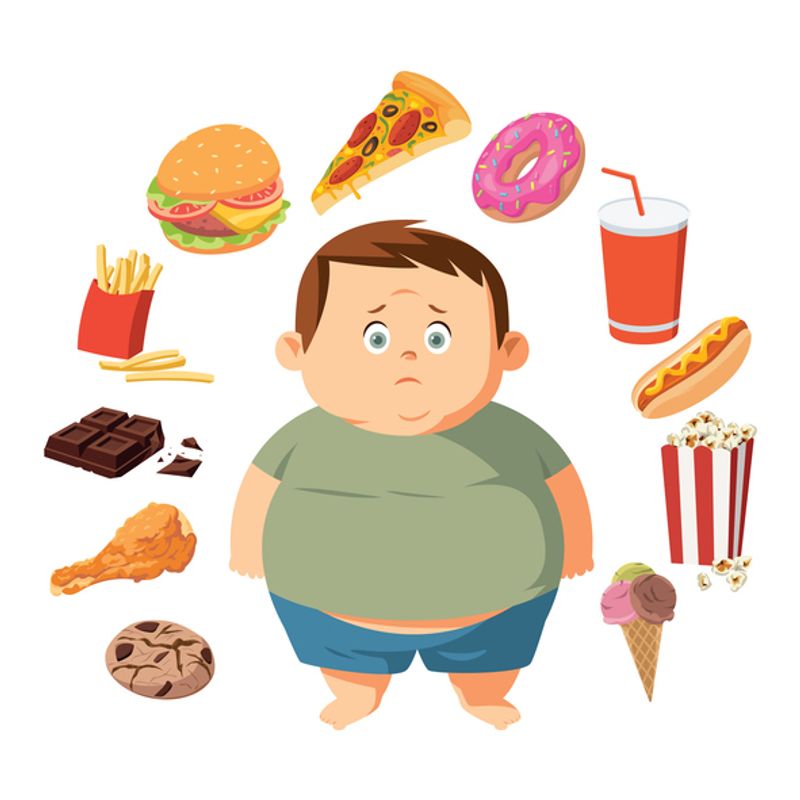
Alongside reduced activity, dietary patterns have changed significantly. The increasing availability of junk food, packaged snacks, sugary beverages and ultra-processed foods has contributed to unhealthy weight gain among children
A particularly harmful trend is the use of chocolates, candies and commercially packaged drinks as frequent rewards for children. These habits encourage excessive intake of sugar, unhealthy fats and salt while gradually replacing traditional, nutritious foods
True childhood nutrition must return to balanced, home-based eating patterns that include fresh fruits, vegetables, whole grains, pulses and adequate protein. The foundation of good health is established through everyday food choices made within households
Myth of the healthy overweight child
One of the biggest barriers to addressing childhood obesity is the social belief that an overweight child is healthier, while a lean child is considered weak or undernourished. This misconception often results in unnecessary overfeeding and delays recognition of obesity as a medical condition
Excess body weight during childhood should not be dismissed as a temporary phase. Early identification and timely intervention are essential to prevent metabolic complications later in life
Warning signs parents must recognise
Parents and teachers have a crucial role in identifying early indicators of unhealthy weight gain. Rapid increase in body weight, excessive appetite, persistent cravings for sugary or packaged foods, reduced physical activity and prolonged screen exposure should receive attention
A dark, velvety discoloration around the neck, medically known as ‘acanthosis nigricans’, may indicate underlying insulin resistance and requires medical evaluation. Children with unexplained or rapid weight gain should also be assessed for possible hormonal or endocrine conditions, including hypothyroidism, under specialist guidance
Beyond appearance, hidden disease burden
Childhood obesity is not merely a cosmetic concern. It significantly increases the risk of developing serious health conditions, including type 2 diabetes, high blood pressure, fatty liver disease, sleep disorders, hormonal disturbances, joint problems and psychological stress
The concern extends into adulthood as well. Children with obesity have a higher likelihood of becoming adults with obesity, increasing their lifetime risk of cardiovascular disease and other chronic illnesses. Preventing obesity in childhood is therefore an investment in the health of the entire society
Specialised care, structured intervention
Recognising the growing challenge, the Department of Pediatrics at Dr Rajendra Prasad Government Medical College established a dedicated Pediatric Endocrine Clinic in 2022. Nearly 300 children with overweight and obesity are currently registered at the clinic
Most children are diagnosed with exogenous obesity and are managed through structured lifestyle interventions, including nutritional counselling, increased physical activity and sustained behavioural changes. Weight-loss medications are considered only for selected cases where clinically appropriate and under specialist supervision
Building a healthier childhood
The encouraging reality is that childhood obesity is largely preventable. Families remain the first and most important influence in shaping habits that last a lifetime
Children should engage in at least 60 minutes of physical activity every day, consume balanced home-cooked meals, reduce fried and processed foods, avoid sugary beverages, limit screen time and include fruits, vegetables and salads as regular components of their diet
Healthy habits established during childhood provide protection that lasts throughout life. Parents, teachers, schools and communities must work together to create environments that encourage nutritious eating, active lifestyles and early health awareness
The fight against childhood obesity must begin before complications appear. By protecting the health of children today, Himachal Pradesh can safeguard a healthier, stronger and more resilient generation for tomorrow
Read what others can’t with The Tribune Premium
n
n `}(e.plan,a,n===o)}catch(n){console.error(“Popup plan render failed:”,e.planType,e.periodKey,n)}})),a.innerHTML=r,a.querySelectorAll(“.plan-card”).forEach((e=>{e.addEventListener(“click”,(()=>{a.querySelectorAll(“.plan-card”).forEach((e=>e.classList.remove(“selected”))),e.classList.add(“selected”);const n=e.querySelector(“input[type=’radio’]”);n&&(n.checked=!0)}))}))}function redirectToSubscriptionPage(e){let n=window.location.href,t=window.location.origin+`/subscription?autosubscribe=${e}&ga4T=true`;t+=”&referrer=”+encodeURIComponent(n),window.location.href=t}function isIndianTimezone(){const e=Intl.DateTimeFormat().resolvedOptions().timeZone;return[“Asia/Kolkata”,”Asia/Calcutta”].includes(e)}function openPremiumPopup(){document.getElementById(“premiumPopup”).style.display=”flex”,newPopupShown=!0,document.body.classList.add(“popup-active”)}function closePremiumPopup(){document.getElementById(“premiumPopup”).style.display=”none”,newPopupShown=!1,document.body.classList.remove(“popup-active”);const e=Date.now()+864e5;localStorage.setItem(“ctaa”,e),scrollNewListenerAdded&&(window.removeEventListener(“scroll”,scrollHandler),scrollNewListenerAdded=!1)}function shouldShowNewPopup(){const e=localStorage.getItem(“ctaa”);return!e||Date.now()>Number(e)}function showNewPopup(){if(“true”!==isNewShortNewsPage&&(newPopupShown||!shouldShowNewPopup()))return;let e=function(){if(window.sortdSsoLoaded&&window.sortdSsoObject){if(!window.sortdSsoObject.isSubscribed)return populateNewPopupPlans(),void openPremiumPopup();console.log(“User already subscribed → Popup not shown”)}else setTimeout(e,300)};e()}function scrollHandler(){(window.pageYOffset||document.documentElement.scrollTop)/(document.documentElement.scrollHeight-document.documentElement.clientHeight)*100>=15&&showNewPopup()}function initNewPopup(){“true”!==isNewShortNewsPage?(window.addEventListener(“scroll”,scrollHandler),scrollNewListenerAdded=!0,setTimeout(showNewPopup,15e3)):setTimeout(showNewPopup,1500)}initNewPopup();const backdrop=document.getElementById(“premiumPopup”),popup=document.querySelector(“.premium-popup”);popup.addEventListener(“click”,(e=>e.stopPropagation())),backdrop.addEventListener(“click”,(()=>{closePremiumPopup()})),document.getElementById(“subscribeBtn”).addEventListener(“click”,(function(){const e=document.querySelector(“.plan-card.selected”)?.getAttribute(“data-redirectid”);e?redirectToSubscriptionPage(e):alert(“Please select a plan”)}))
Advertisement
Advertisement
Advertisement
