


Could a ‘sacred moment’ with your doctor improve your health care?
Sun, August 23, 2026 at 8:30 AM
 3VIEW ALL PHOTOS

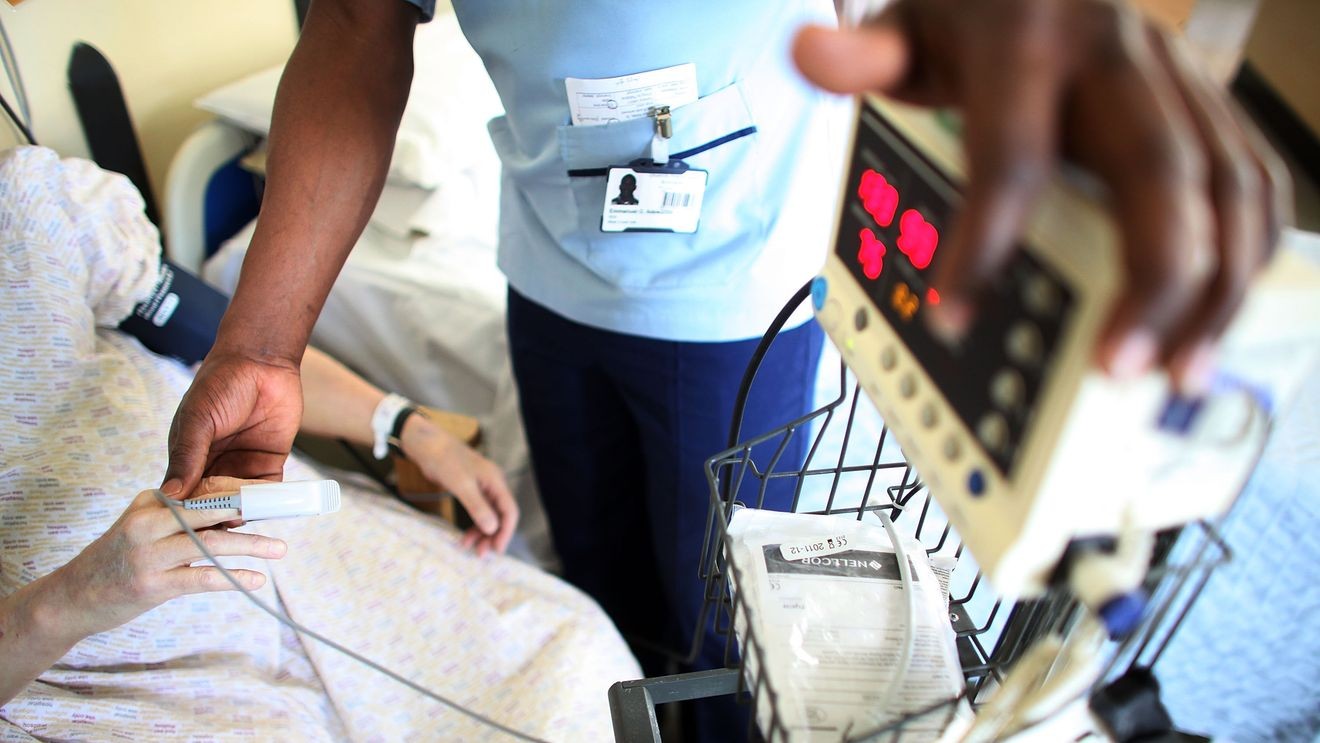
A new paper published in the Journal of General Internal Medicine explores how brief, meaningful interactions between patients and health care workers — described by researchers as “sacred moments” — may be associated with greater well-being, stronger patient-provider relationships and reduced clinician burnout. (Photo by Christopher Furlong/Getty Images, file)
NASHVILLE, Tenn. (WZTV) —Have you ever left a doctor’s appointment feeling like your health care provider truly saw you as a person… not just another patient on the schedule?
Researchers say those seemingly small interactions may be more meaningful than you think
A paper published in the Journal of General Internal Medicine examines what researchers call “sacred moments” in health care: brief experiences involving a profound sense of connection, meaning, transcendence or powerful emotion
And despite the name, researchers say they don’t necessarily have to involve religion
The paper describes sacred moments as experiences that can cross religious and nonreligious worldviews. In a medical setting, they can occur when a patient feels genuinely seen and understood as a whole person rather than simply viewed as an illness that needs to be treated
Researchers believe understanding those interactions could be important as the medical field confronts physician burnout and patients’ distrust of health care
HEALTH NEWS | Study suggests
What is a ‘sacred moment’?
It doesn’t have to involve a dramatic revelation
A sacred moment could happen when a physician is fully present with a patient during an emotional conversation or when a patient going through a crisis develops a particularly meaningful connection with a member of their care team
Researchers describe five qualities that can be part of the experience: transcendence, a changed perception of time or space, recognition of a deeper truth, profound interconnectedness and spiritual emotions such as awe or uplift
The concept also appears to be relatively common
Previous research cited in the paper estimated that 68% of general internal medicine physicians surveyed had experienced a sacred moment with a patient

A new paper published in the Journal of General Internal Medicine explores how brief, meaningful interactions between patients and health care workers — described by researchers as “sacred moments” — may be associated with greater well-being, stronger patient-provider relationships and reduced clinician burnout. (Photo by Joe Raedle/Getty Images)
Why researchers think these moments matter
The authors reviewed previous research suggesting sacred moments are associated with benefits for both sides of the doctor-patient relationship
For health care workers, sacred moments have been associated with lower burnout and greater meaning in their work, well-being and engagement with others
For patients, previous studies have linked the experiences with lower stress, greater purpose in life, improved <a href="https://healthylife7.com/mothers-still-face-delayed-care-for-postpartum-mental-health-conditions-ukraine-news/" title="Mothers Still Face Delayed Care for Postpartum Mental Health Conditions | Ukraine news”>mental health, greater satisfaction with care and stronger relationships with clinicians
The researchers argue those connections could be particularly valuable at a time when burnout and distrust threaten to make medical encounters feel impersonal
What gets in the way?
Finding time for meaningful human connection isn’t necessarily easy in a busy hospital or doctor’s office
The researchers identified several potential barriers, including heavy caseloads, staffing shortages, short hospital stays, frequent transitions between care teams and a lack of time
They also pointed to what they call a “find-it, fix-it culture,” in which medical care emphasizes treating a specific problem quickly rather than looking at the patient as a whole person
The paper says clinicians have suggested systems that prioritize profit over quality of care may also create conditions that make sacred moments less likely
HEALTH NEWS | Study finds coffee linked to testosterone, body fat and metabolism, especially in men
Can hospitals create more meaningful moments?
Researchers aren’t recommending that doctors try to manufacture profound experiences with their patients
Instead, they suggest health care systems can create conditions that allow those interactions to happen naturally
Recommendations include reasonable caseloads, adequate staffing and giving clinicians enough time with patients. The authors also discuss incorporating elements such as natural light, music, art and nature into health care environments
Another proposal is something called “Sacred Moment Rounds.”
The idea would give health care workers a safe, moderated setting to share meaningful experiences they’ve had with patients and reflect on those encounters with colleagues. Researchers describe the concept as a potentially scalable approach to addressing clinician burnout
More research is needed
The authors make clear there is still plenty scientists don’t know
The paper is a narrative review and conceptual model, meaning researchers examined existing evidence and developed a framework for future study rather than conducting a new clinical experiment. The paper contains no new primary research data
Future research could examine sacred moments across different cultures, investigate what happens in the brain during them and explore whether technology such as virtual reality or even artificial intelligence could play a role in creating similar experiences
Researchers are also interested in whether sacred moments could help counter some of the psychological effects of traumatic medical experiences, though the paper notes their potential role in healing trauma has not yet been studied
Ultimately, the researchers’ argument is relatively simple: Medicine may be about treating the body, but meaningful human connection could be an important part of caring for the person
