


Mediterranean diet linked to happier, <a href="https://healthylife7.com/how-the-gut-microbiome-changes-after-45-and-why-it-matters-for-your-health/” title=”How the gut microbiome changes after 45 and why it matters for your health”>healthier aging – Earth.com
07-07-2026
Mediterranean diet linked to happier, healthier aging
BySanjana Gajbhiye
Earth.com staff writer
The link between diet and physical aging is well established. How food shapes the mind in later life has received far less attention
A new analysis suggests the two are tied more tightly than many assumed. Adults over 50 who ate in a Mediterranean style reported a stronger sense of well-being

The advantage even held through the strain of a global pandemic, when moods sank across the country
The work was led by researchers at University College London. They collaborated with partners at the Barcelona Institute for Global Health (ISGlobal), a center backed by the “la Caixa” Foundation
Food and mood are connected
For years the focus has sat on single nutrients or single foods. This work looks at a whole pattern of eating instead
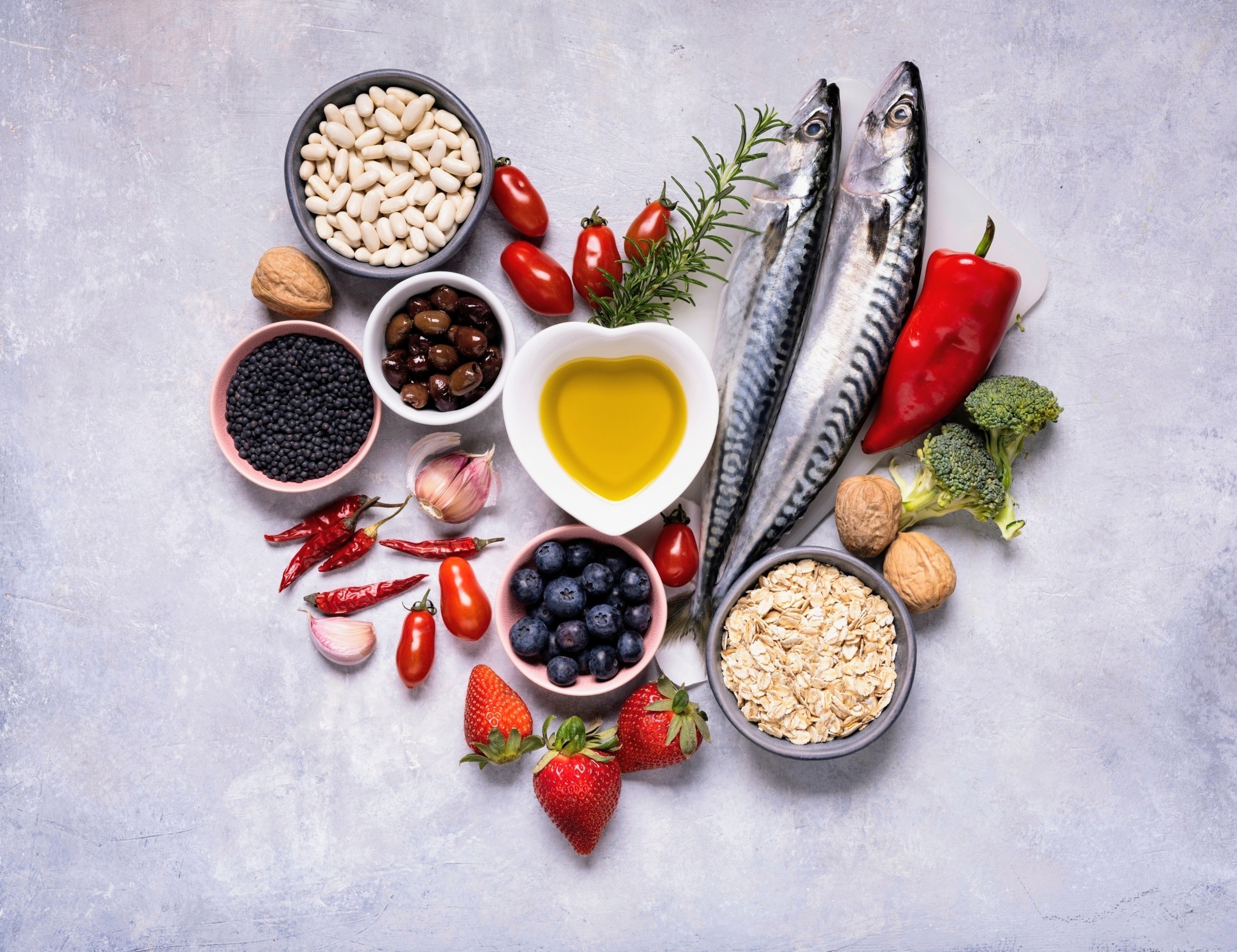
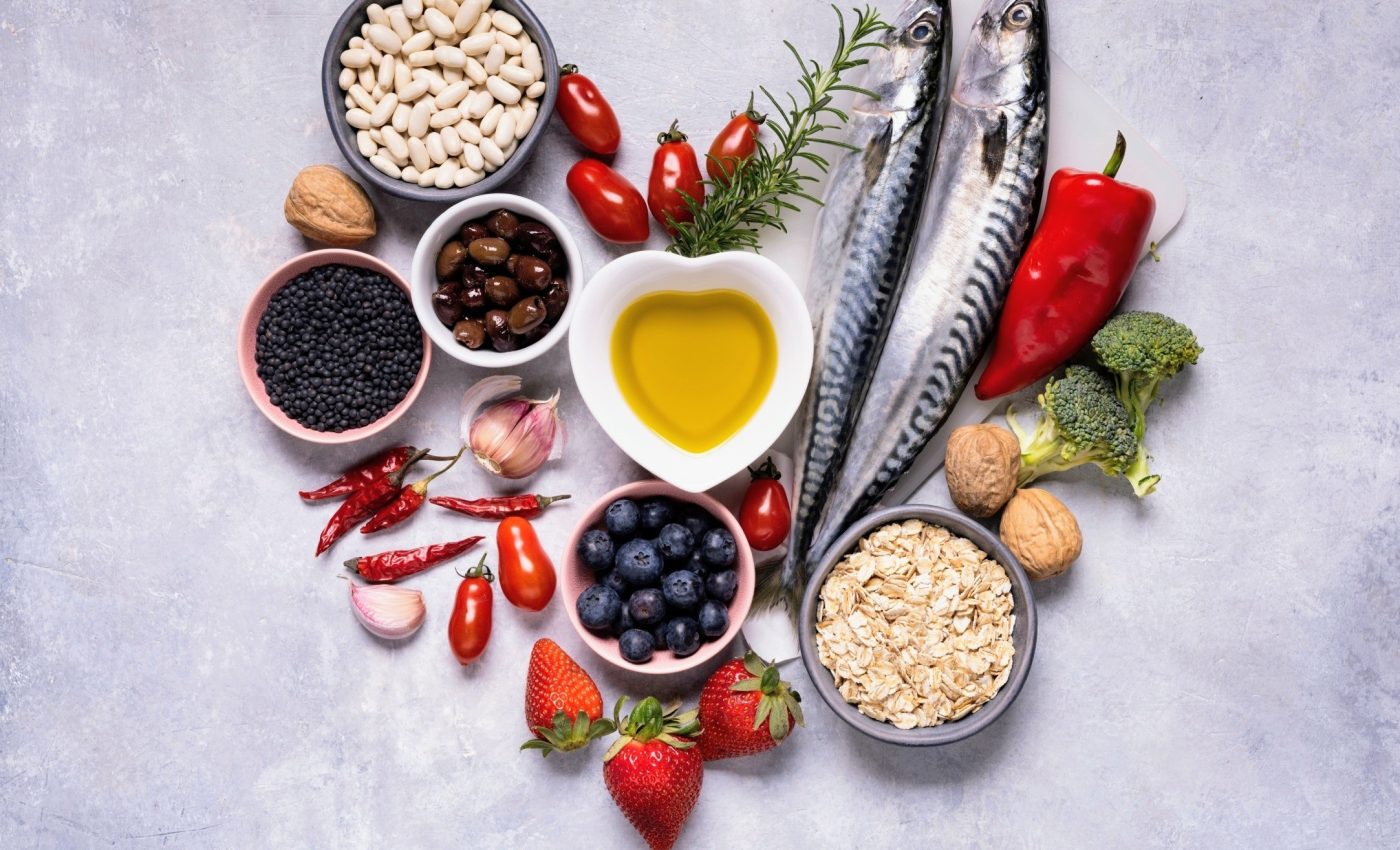
The Mediterranean diet emphasizes fruits, vegetables, legumes, whole grains, fish, and olive oil while limiting red meat, dairy products, and sweets
The evidence linking the Mediterranean diet to a lower risk of depression is already strong. Large population studies and clinical trials have repeatedly pointed in the same direction
What had gone missing was the flip side of the coin. Earlier attempts to link diet with happiness mostly counted fruit and vegetables, and little else
Most nutrition and mental health work has centered on depression. This project asked a different question about the positive side of the mind
Positive psychological well-being goes beyond the absence of depression. It includes feeling in control, independent, and purposeful, while also reflecting enjoyment of life, energy levels, and optimism about the future
Thousands of older adults tracked
The data came from the English Longitudinal Study of Ageing (ELSA), a long-running survey of people in England. The sample here held 3,296 adults between the ages of 50 and 90
Participants logged everything they ate and drank across two separate days in 2018 and 2019
Each person’s diet was then scored for how closely it matched the Mediterranean pattern
Nine food groups fed into that score, from olive oil to fish to red meat. Higher totals meant a closer fit, and the range in this group ran from zero to 14
Better diet, brighter outlook
Well-being was captured with a questionnaire designed for older people. It asked about meaning, enjoyment and the sense that life still holds promise
Higher diet scores lined up with higher well-being scores. The pattern survived a long list of checks
Income, education, physical activity, smoking and general health were all accounted for, yet the link persisted
The link also held after total calories were considered, which rules out simple undernutrition as the driver
Depression did not explain it
One obvious worry is that low mood could drag down both diet and outlook at once. The team tested for exactly that
Even after depressive symptoms were factored in, the connection barely shifted
The Mediterranean diet seemed to touch well-being on its own terms, not just by easing distress
The pandemic tested the link
A single snapshot cannot show which comes first, the diet or the sunny outlook. A cheerful person might simply choose better food, rather than the food lifting the mood
The spread of COVID-19 handed the team a rare natural experiment. Diet was measured well before the crisis, so it could not have been shaped by the stress that came later
Well-being fell across the whole group as lockdowns and fear took hold. The drop was gentler, though, among those who had eaten closer to the Mediterranean pattern years earlier
That cushion stayed in place after accounting for who had caught the virus. It also held once depressive symptoms were added to the mix
Caution before drawing conclusions
“Our study is observational and, therefore, the results should be interpreted with caution, since we cannot draw causal conclusions,” said Camille Lassale, senior author on the paper
“Nevertheless, the questionnaires administered during the pandemic allowed us to follow participants over time, which is a major strength of the study.”
Lassale noted that researchers are still studying how the Mediterranean diet supports mental health
However, current evidence suggests that foods commonly included in the diet may help regulate stress responses, reduce inflammation, support gut health, and improve brain function
Why the diet may help
The exact chemistry is still being mapped. A few ingredients keep coming up in this line of work
Fiber, omega-3 fats, and plant polyphenols sit near the top of the list. A lower load of processed meat and sugar may play a part too
“This study provides further evidence of the relationship between what we eat and our mental health, an emerging field of research that we hope will generate substantial new evidence in the years to come,” said Alanna Shand, a research psychologist and co-author
Nutrition and mood work is young but moving fast. Each cohort like this one adds another piece to a still-forming picture
Limitations of the study
The people who filled in the diet survey were not a perfect cross-section. They tended to be better educated, better off and in better health than those who skipped it
The group was also mostly white, so the results may not carry over to everyone
Diet rested on just two days of recall, and well-being was caught only once during the pandemic
What it means for later life
“Although many questions remain open, there is no doubt about the need to promote healthy lifestyles, prioritizing a balanced diet rich in plant-based foods and low in foods such as processed meats and sweets, particularly among older adults,” said Andrew Steptoe, first author on the paper and a researcher at University College London
The takeaway is modest and doable. No perfect diet is required – only a steady lean toward plants, fish, and good fats
For an aging population, that small shift could pay off twice. It may guard the body against decline while giving the mind a firmer footing
The study is published in the journal BMJ Open
Like what you read? Subscribe to our newsletter for engaging articles, exclusive content, and the latest updates
Check us out on EarthSnap, a free app brought to you by Eric Ralls and Earth.com
—–
