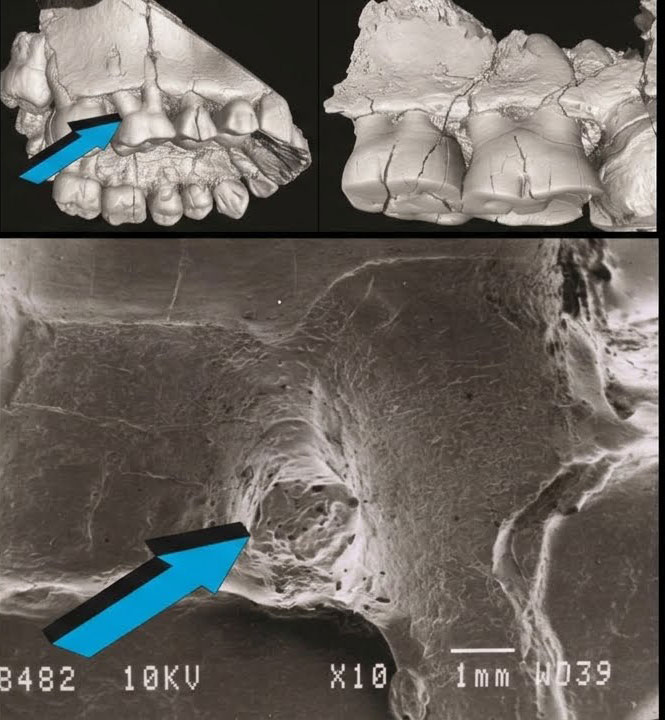
JOHANNESBURG, SOUTH AFRICA—According to a statement released by the research-news/2026/-2026-07/did-gum-disease-make-us-human–.html” rel=”nofollow noopener” target=”_blank”>University of the Witwatersrand, gum disease and its possible effects on facial structure may have contributed to the evolution of modern humans. A team of researchers including Ugo Ripamonti of the University of the Witwatersrand, Laura Roden of Coventry University, and Jakobus Hoffman of the South African Nuclear Energy Corporation analyzed 71 fossil jaws dated to between 5.3 million and 2.6 million years ago. Bone anchors teeth in the jaw, and so loss of bone is a sign of periodontal disease. The team members observed crater-like lesions and defects on fossils from members of the genus Homo, but these lesions and defects were largely absent from australopithecine fossils, Ripamonti said. “We typically view disease as purely destructive,” he continued. “But in this case, periodontal disease may have interacted with other biological changes in ways that contributed to the emergence of human form.” To read more about recent research on human evolution, go to “The Path Not Taken.”
Secrets of the Serpent
Is a Native American origin story embedded in Ohio’s colossal earthwork?
Read Article
Timothy E. BlackFeaturesJuly/August 2026
Slinging Insults
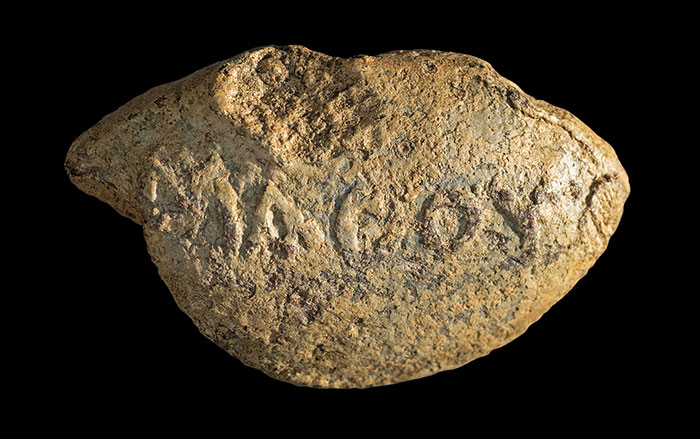
Greek and Roman soldiers fired pointed barbs at their enemies
Read Article

Courtesy Michael EisenbergFeaturesJuly/August 2026
Inside Africa’s Houses of Stone
Archaeologists are rethinking how kings shared power beyond the great capitals of medieval Zimbabwe
Read Article

Ad/AdobeStockFeaturesJuly/August 2026
Tennis, Anyone?
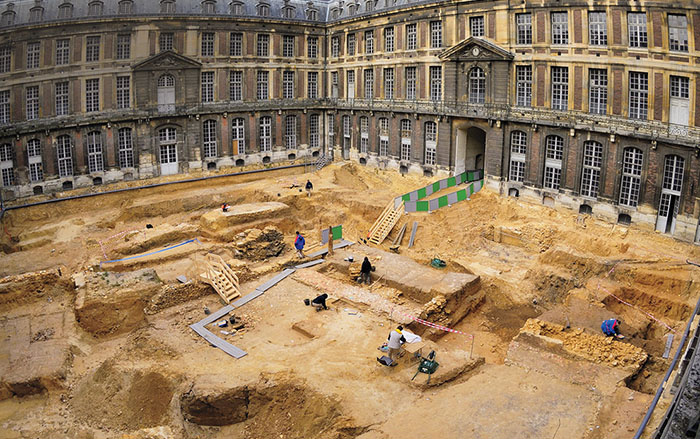
Discovering the origins of the peculiar racket game that swept sixteenth-century France
Read Article
© Denis Gliksman, Inrap