


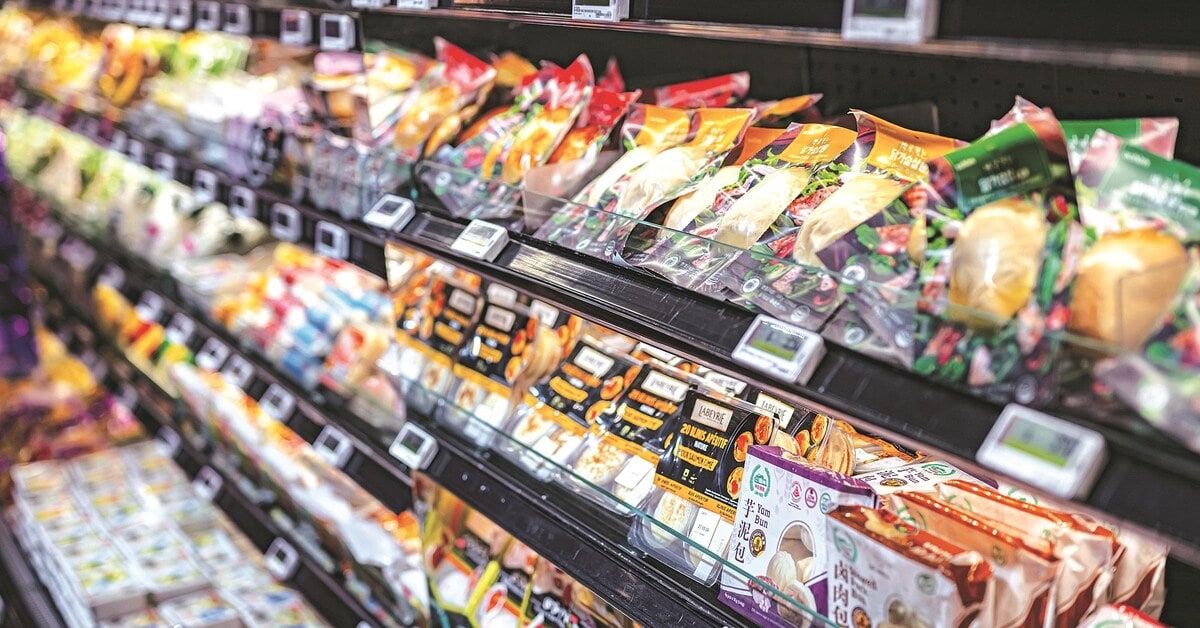
The GLP-1 diet: How weight-loss drugs are changing packaged food business
Weight-loss drugs are changing what consumers buy, putting protein, fibre, smaller portions and nutrient density at the centre of the next packaged-food opportunity
From Nestlé’s Vital Pursuit to GLP-1 menus at Smoothie King, food companies are betting that consumers eating less will demand more protein, fibre and <a href="https://healthylife7.com/gaza-nutrition-survey-finds-fragile-gains-and-deeper-risks-for-children/” title=”Gaza Nutrition Survey Finds Fragile Gains and Deeper Risks for Children”>nutrition per bite
Barkha MathurNew Delhi5 min read Last Updated : Aug 24 2026 | 1:44 PM IST
Listen to This Article
As GLP-1 weight-loss drugs such as Ozempic, Wegovy, Mounjaro and Zepbound gain popularity globally, they are beginning to change not just how people manage their weight, but also what they eat. Food companies have also started taking cues. With users eating less and snacking less, demand is shifting towards protein, fibre, fresh foods and smaller portions.
Nestlé, with its frozen food brand Vital Pursuit, is already betting on it and has started developing products specifically for people taking GLP-1 medicines, focusing on protein, collagen, micronutrients and muscle preservation. It is also using artificial intelligence to analyse clinical research and consumer behaviour as it develops these products.
Others in the food industry are also beginning to follow suit. Packaged goods company Conagra’s frozen food brand Healthy Choice has introduced an “On Track” badge for products it markets as GLP-1 friendly, while Daily Harvest and Smoothie King have launched protein- and fibre-focused offerings aimed at consumers taking these medicines.
The trend is also emerging in India, although the market is still in its early stages. While the food and nutrition companies are increasingly developing protein- and fibre-rich products around the needs of consumers on weight-management drugs, some food-service businesses have begun explicitly using the “GLP-1 friendly” positioning. For instance, Delhi-based EatFit Lab lists GLP-1-friendly, high-protein and fibre-rich bowls and meals on its menu.
Eating less, but differently
According to a June analysis by McKinsey titled GLP-1s bite into snack and drink sales, six months after starting GLP-1 medicines, users’ grocery spending fell 11.5 per cent for chips and savoury snacks, 8.5 per cent for sweet bakery products, 7 per cent for cookies and 6.8 per cent for soft drinks. At the same time, spending increased 2.5 per cent for yoghurt, 1.5 per cent for fresh produce, 1 per cent for meat snacks and 0.5 per cent for nutrition bars.
PwC’s June 2026 research found a similar shift. Among the GLP-1 users surveyed, 61 per cent said they were buying fewer sweet treats and 56 per cent fewer salty snacks. Meanwhile, 44 per cent said they were buying more fresh produce, 35 per cent more packaged protein and 34 per cent more fresh protein.
So, if consumers are eating less, can companies compensate by selling food with greater nutritional value and a higher price per serving?
A January 2026 study titled GLP-1 use and protein demand, published in the journal Food Policy, found that GLP-1 use increased consumers’ willingness to pay for most of the protein products studied, while making demand for some products less price-sensitive.
A new food category or a new use case?
Aastha Sharma, chief dietician at Yatharth Hospital, Faridabad, told Business Standard that adequate protein, fibre, micronutrients and hydration are the key priorities for people taking GLP-1 medicines.
“Protein is particularly important to help preserve muscle mass during weight loss,” Sharma said. Fibre supports gut health and satiety, while adequate fluids can help prevent dehydration and constipation, she explained.
But Sharma does not believe this necessarily means consumers need a new class of packaged foods. According to her, most nutritional requirements can be met through regular Indian foods such as dal, beans, paneer, curd, eggs, fish, chicken, soy, vegetables, fruits, whole grains, nuts and seeds.
“Specialised ‘GLP-1 foods’ are generally not necessary if meals are well planned and portion sizes are appropriate,” she said.
Sharma cautioned that there is a risk of “GLP-1-friendly” becoming primarily a marketing term. Consumers, she said, should look beyond the label and assess protein, fibre, added sugar, overall nutrient density and portion size.
She said that the opportunity may not be to create a completely new “GLP-1 food” category, but to accelerate existing categories such as protein-rich foods, functional nutrition, healthy snacking and portion-controlled products.
An existing trend gets a new catalyst
Angshuman Bhattacharya, partner and national leader, Consumer Product and Retail, EY-Parthenon India, told Business Standard that India’s health and wellness market was estimated at about ₹1.83 trillion in FY25 and had grown at a 15 per cent compound annual growth rate (CAGR) between FY19 and FY25.
“The growth has been supported by urbanisation, rising incomes, consumer upgradation and increasing health awareness,” he said.
According to him, these trends are not exclusive to people taking GLP-1 medication. Protein, functional foods, digestive health and healthier snacking were already gaining traction.
“Protein-rich and high-fibre products, along with meals focused on portion control, are the clearest trends that GLP-1 adoption could accelerate,” he said.
This makes the commercial opportunity potentially much larger than the number of people taking the medication, he said. A protein yoghurt, high-protein snack or fibre-rich beverage can be sold to a GLP-1 user, but also to someone trying to lose weight without medication, a fitness-conscious consumer or anyone looking for healthier food.
Can less volume mean more value?
The surge in the use of GLP-1 medication could put pressure on categories that are built around frequent consumption and impulse eating from customers, including confectionery, biscuits, savoury snacks and sugary drinks. But they could simultaneously support higher-value products with more protein, fibre and functional ingredients.
Bhattacharya said it is too early to determine whether GLP-1 adoption will have a meaningful impact on FMCG volumes in India. However, consumers are already showing a willingness to pay more for products offering better nutrition, functionality and quality ingredients, he said.
According to him, the potential model is therefore simple: fewer eating occasions, smaller portions, but potentially greater value per serving.
Topics :BS Web ReportsGLP1weight lossPackaged food makers
Don’t miss the most important news and views of the day. Get them on our Telegram channel
First Published: Aug 24 2026 | 1:43 PMIST
