


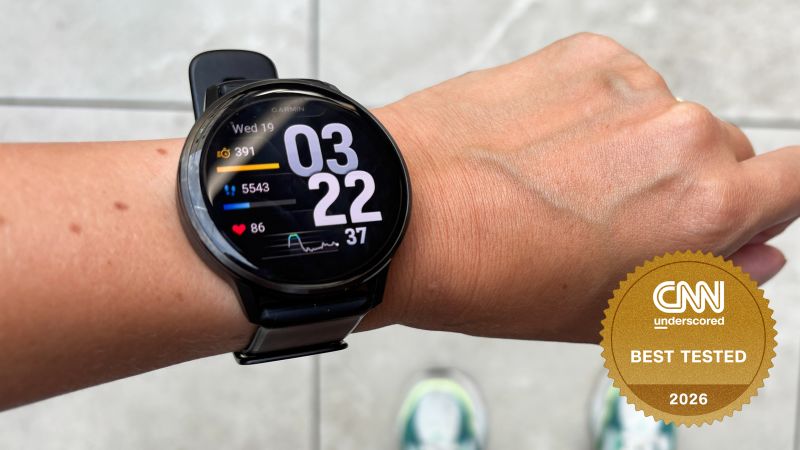
Best fitness tracker for running
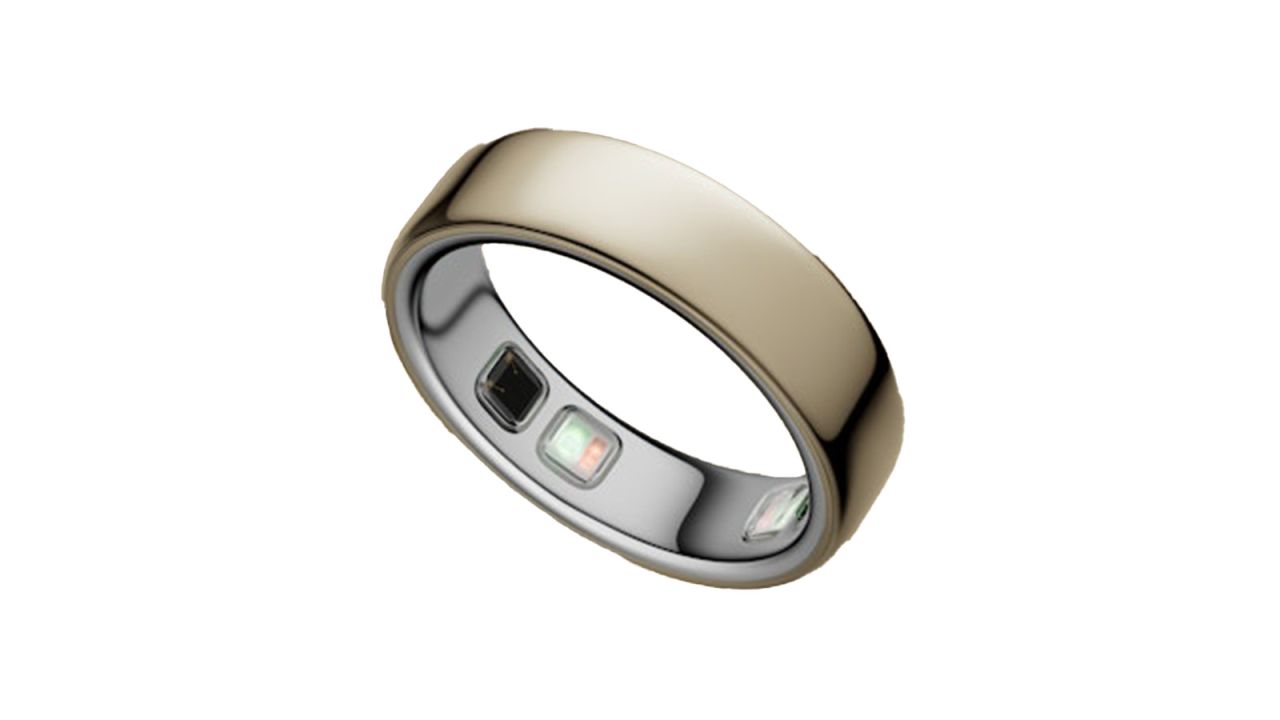
Best fitness tracker ring
Oura Ring 5
These days, it’s rare to see a wrist undecorated by some sort of fitness tracker — from running watches to longevity bands, there’s a wearable out there for everything, which is why it’s so hard to find one that’s actually suitable for you and your needs. So our team spent weeks (and, in some cases, months) testing different models
Like most accessories, there’s no single tracker that can track your sleep and health and analyze every type of workout better than the rest. However, a lot of very good smartwatches are stellar at analyzing specific forms of movement, such as running, lifting or stretching. At the end of our testing period, we found two that particularly excelled at providing real-time data, post-workout analysis and an exceptional user experience
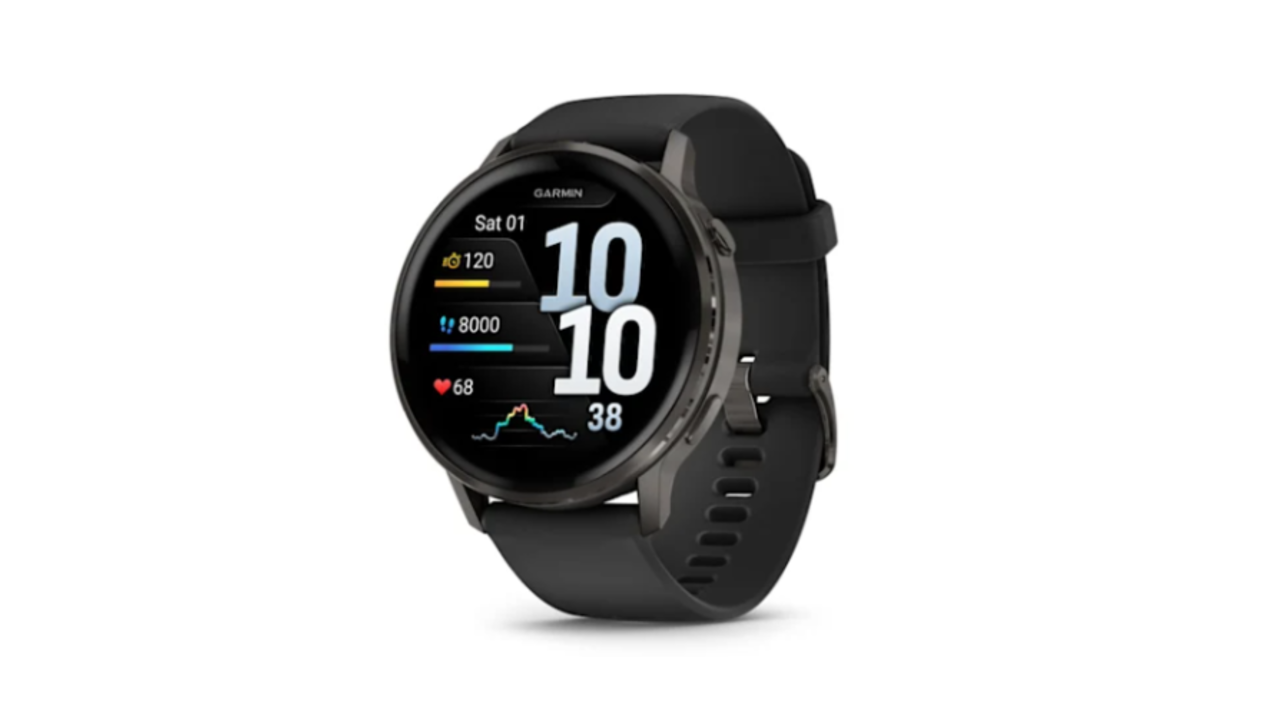
Garmin Venu 4
Best fitness tracker for running
Running watches are often bulky and difficult to navigate. This new Garmin model has a simple and sleek two-button design and a touchscreen, which offers programmed workouts, personalized race training plans and unbeatable GPS detection
From $500 at Amazon
$550
$500 at Best Buy
$550
$500 at Garmin
$550
$500 at REI
Oura Ring 5
Best fitness tracker ring
Similar to the Oura Ring 4, the Oura Ring 5 tracks 50 health and longevity metrics, but it now has a superior battery life (nine days versus seven), better sensors for more accurate readings and a smaller size. It comes quite close to passing as everyday jewelry
$399 at Amazon
$399 at Best Buy
$399 at Oura
$399 at Target
Although most runners won’t leave home without their watches, they’ll be the first to tell you just how unfashionable they are. Health and fitness editor Summer Cartwright is all too familiar with this reality
She tested 10 different watches this past year — and even had an unfortunate tan on her left hand during her proposal because of it. This Garmin iteration is the most attractive by far, thanks to its small 41-millimeter case, which feels dainty compared to bulkier options (you can still snag a 45-millimeter size if you want something larger). The smooth touchscreen feels more lifestyle-friendly than other Garmin iterations and makes midrun adjustments easy
Cartwright said her favorite features include the morning and night reports, which provide insights into activity, stress levels, sleep and steps. The race predictor is a nice bonus for those training for a 5K or a half marathon. These AI-powered predictions use miles logged and the speed at which they’re run (or walked) to produce what she found were very accurate estimates. For example, the watch predicted she could run a 20-minute, 23-second 5K and she ran a 20-minute, 18-second race
The bright AMOLED display comes in handy during night runs and speed sessions, when glances at your watch are all you can manage. Plus, the LED flashlight, which you can control by holding the bottom button, can make a big difference during runs in low-visibility conditions. All this, along with a 12-day battery life, explains the high price point
There are also some pretty solid cross-training options you can use on off-running days. While the strength-training modes do an efficient job of tracking your calories burned, there’s room for improvement in their rep counting — Cartwright found that it lagged. Aside from this, the watch will show you proper form and can also provide workout recommendations for your training goals
When it comes to fitness trackers for running, you can’t get something more effective than this. Whether you want to do a speed session, stay on pace for a race or follow entire training plans, you’ll be able to get it with the Venu 4. We found its user interface easier to use than others, especially since you can add workouts in the Garmin app (or via training apps like Runna) that then sync directly to your watch. We didn’t have to do any annoying toggling to get these uploaded, and that in itself makes the expensive watch worth it.
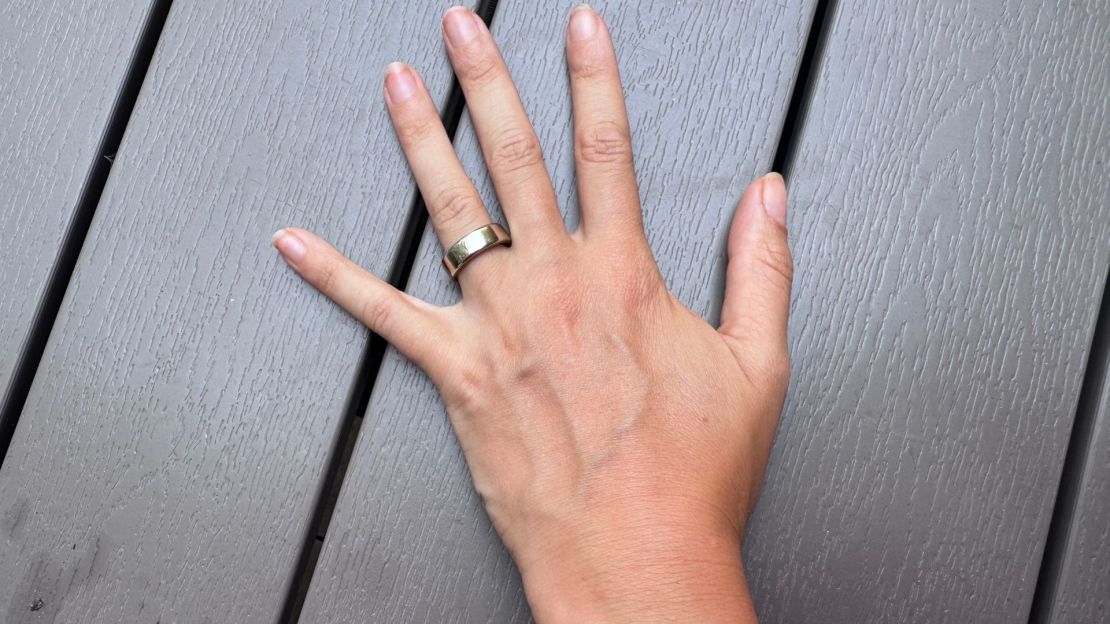
Oura’s fifth-generation ring is about 40% smaller than its predecessor and boasts all of the same data tracking — HRV, calories burned, steps taken, sleep stages, stress — with what the brand says are more accurate readings, thanks to updated sensors. What makes this ring stellar for fitness tracking is its compact size and in-app analytics
When we wore this ring, we didn’t have to make any adjustments, readjust straps, or worry about it getting caught in our hair (if you have long tresses, you know all too well the pain of strands getting caught in watch bands). While older Oura Ring variations scuffed easily, this newer one withstood beatings from dumbbells and barbells alike. There were some marks here and there, but a little post-workout cleaning removed the smaller scars
That the brand is clearly trying to provide better real-time data for endurance sports, as seen in newer features like live activity tracking; you can check your pace and heart rate while running, swimming or biking. You can also pause the activity, so your pace won’t get messed up while you’re waiting at a stop, walking or taking a sip of water. This was a major nuisance prior to the update
While the live tracking app is great, it’s not particularly impressive for activities like strength training, Pilates or yoga. All you see during these modes is the time. Afterward, you can see calories burned
Compared to other rings we tested, Oura’s in-app interface was easier to use, offered more in depth data and provided awesome graphs that showed your progress — you can check out the time you spent daily, weekly and monthly in different heart rate zones, can analyze your daily movement patterns and can see whether your activity offered metabolic or cardiovascular and metabolic benefits (based on the time you spent in different heart rate zones). We found that this data matched what was tracked by other watches when comparing calories burned, steps taken and pacing. While the numbers never aligned perfectly, they were close enough for us to be confident in them.
(It’s worth noting that Oura is currently facing a class action lawsuit accusing the brand of inaccurate sleep-tracking features; Oura denies these claims and is defending against them.)
If you want a small fitness tracker that won’t annoy you during your activity, blends in with your daily wardrobe and provides lots of post-workout analytics for you to absorb, this one’s solid. The monthly $6 subscription is worth every penny
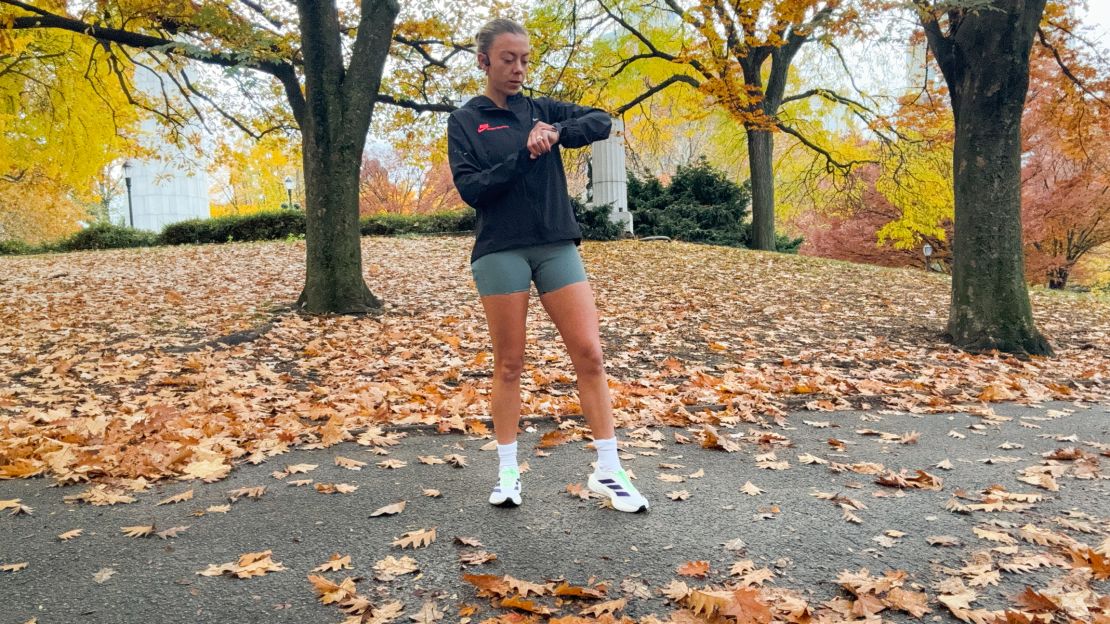
We put several of the top fitness trackers through their paces over several weeks, tracking runs, walks, lifts and everything in between. We evaluated their performance (accuracy, readability, ease of use), their comfort and their integration with other apps. We even reviewed their privacy policies to assess their security. Below are more details on our testing criteria
- Accuracy: Though numbers will vary, as we explored above, we tested accuracy by wearing two trackers at once and comparing the results. We also compared the steps to the pedometer built into our phone and tested the built-in GPS to measure distance.
- Readability: While the numbers on most fitness trackers are fairly small, we noted how easy it was to read the screen and how quickly we could glance at it to see our heart rate or other stats in the middle of a workout.
- On-device navigation: Every tracker with a display lets you scroll to view steps, activity, heart rate, and more. We rated how easy this was to explore.
- Activity recognition: For many trackers, you can also select the type of workout you’re doing before you begin to improve activity-tracking accuracy. Some automatically recognize activities, so we tested that too.
- App usability: We rated how straightforward the app is, what it tracks and how it presents information.
- Ease of setup: When you’re buying a tracker to lower your heart rate and improve your health, the last thing you want is to be stressed. We looked at how easy and fast it was to follow instructions, download the app, connect to Bluetooth and/or Wi-Fi and get started.
- Battery life: We recorded how long each device lasted on a full charge.
- Compatibility: Many fitness trackers require you to download their own app, while some allow you to sync with other apps, such as Apple Health, Google Fit, MyFitnessPal, Peloton and many others. We looked at how many third-party apps each tracker could pair with.
- Overall comfort: A fitness tracker is meant to be worn all day and, in some cases, all night. This means comfort is key. We rated it on fit, how it felt during and after a workout and its performance against sweat and in the shower.
- Design: We noted how sleek the tracker was and how many colors and designs were available.
- Waterproofness: We took each of these trackers into the shower to ensure they met their waterproofing and water-resistance ratings.
- Warranty:We noted the warranty, if any, for each device and rated its offering.
- Privacy: We also reviewed each product’s privacy policy to see how the company handles privacy within the app and whether it shares any user data.
When working toward a specific health goal, a fitness tracker can be helpful, supporting self-monitoring of daily activities and providing motivation to stay active
“When your progress is tracked accurately and consistently, a pattern of results becomes clearer,” said certified fitness instructor DeBlair Tate. “It provides a sense of ownership for health and fitness goals. When you aim to reach those numbers daily, you gain that fulfillment of accomplishment that motivates you to create more goals.”
But how accurate, exactly, are fitness trackers? We noticed discrepancies in step counts — ranging from 500 to 800 steps —when we wore two trackers simultaneously. This was true regardless of brand. That’s normal, though, since technology and functionality are all different. According to Keegan Draper, a National Academy of Sports Medicine-certified personal trainer and fitness specialist for Mindbody, wrist straps also differ from hip-mounted trackers and chest or arm straps
Regarding steps, he said more accurate measurements would come from a hip-mounted step counter, whereas a wristwatch could detect and track other movements. “It is very likely that two different trackers give different step counts,” Draper said. “But, overall, your daily fitness tracker will be relatively accurate, and having some sort of monitor and tracker is better than none.”
Whoop Peak 5.0
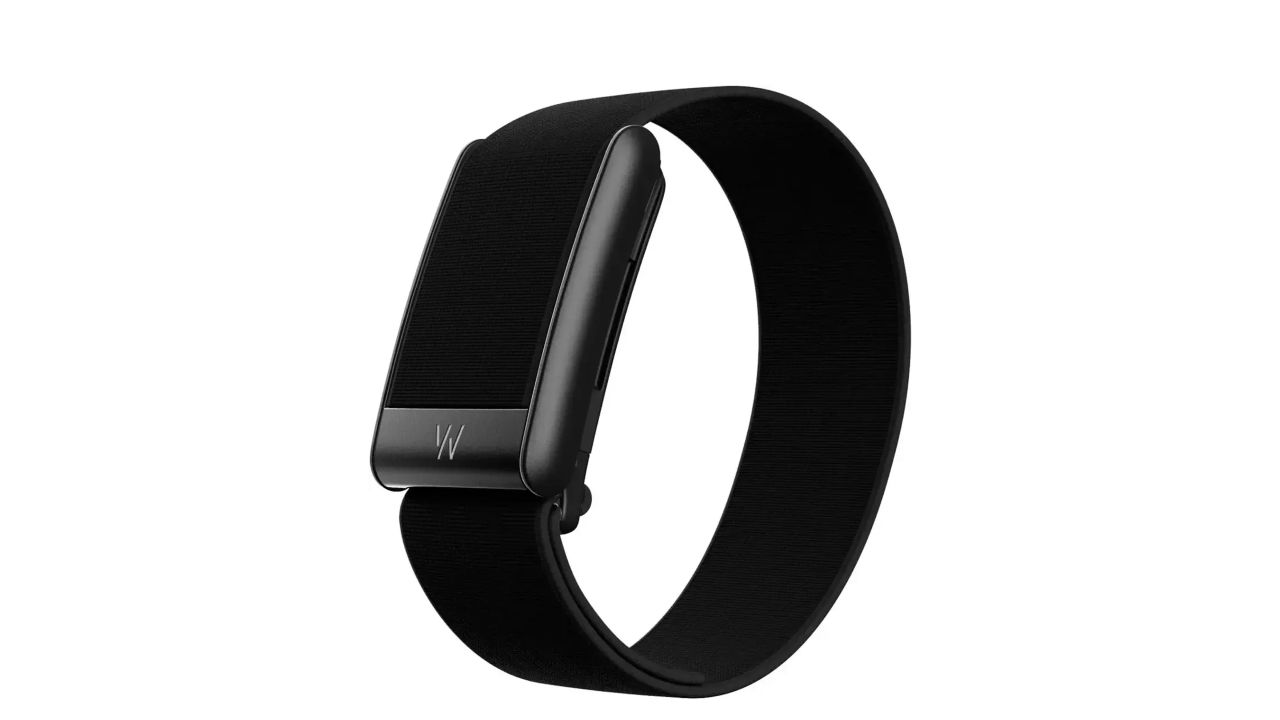
Whoop’s data-driven approach and personalized coaching based on heart rate variability, sleep and activity data might be the missing piece of your fitness journey if you’re serious about understanding your body and optimizing recovery
The Whoop 5.0 goes beyond steps and calories burned. It’s designed around three personalized pillars: strain (during workout), sleep and recovery. The focus on recovery and strain tracking is what truly sets the Whoop apart. Its sleek, minimalist band is your 24/7 physiological coach, whispering insights directly into your ear (well, app). Whoop 5.0 isn’t just a fitness tracker; it’s a biohacking tool for the everyday athlete
As noted, the Whoop doesn’t just track activity; it measures physiological strain based on heart rate variability, sleep, and recovery. This unique metric is designed to help you understand how your body responds to workouts, stress and even illness. Once attuned to your rhythms, Whoop provides personalized daily coaching based on your unique biology. Similarly, Whoop goes beyond sleep stages, delving into sleep quality and its impact on recovery to help you optimize your performance
While the band took a while to get accustomed to, once our testers got the hang of it, they found it comfortable and lightweight and thought that it blended seamlessly with an active lifestyle. Unlike other bands, it didn’t get in the way of clothing or feel cumbersome
Whoop also sets itself apart by offering the device for “free” while requiring a monthly subscription for its advanced features and coaching. For budget-conscious users, this may be a turnoff. Furthermore, unlike trackers that have built-in displays, Whoop only displays its data visualization in the app. This might not appeal to users who prefer on-wrist information
Oura Ring 4 Ceramic
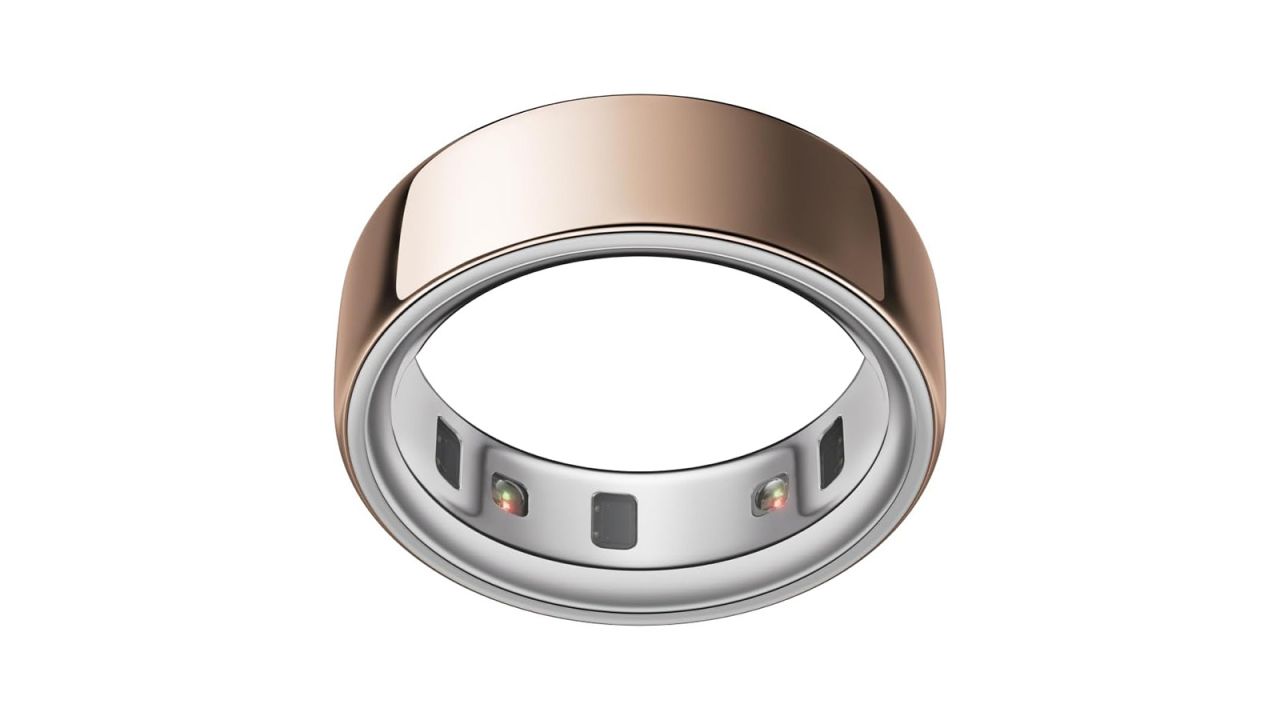
If you’re worried about wear and tear on your fitness tracker rings (especially if you pick up dumbbells every day), you’ll want to check out the Oura Ring 4 Ceramic. This model is made with a specialty ceramic coating that’s designed to withstand scratches, scrapes, bumps and bruises better than typical titanium models
$399 at Oura
$499 at Best Buy
Oura’s long-term health insights stand out amongst competitors. The app produces some supremely high-quality (and easy-to-understand) graphs and even warns you if any biometrics are off, indicating that sickness might be on the horizon
The most significant update to this model is the supremely durable ceramic used to make the outer shell (it’s still titanium inside, like the other models). This is far less likely to get scratched and can withstand a lot of pressure. Cartwright reviewed this wearable and said it provided a lot of stellar feedback, including movement goals that vary based on sleep quality. If you pack in your desired amount of rest, you’ll see a larger movement goal that inspires you to act. If you’ve had a stressful period of either too much movement or not enough rest, the app encourages you to take it easy and scale back your goal for the day.
Cartwright said it’s a comfortable alternative to her running watch, but it provides less accurate insights during runs than her Garmin or Coros watches. Still, she said it’s her favorite tracker for her overall wellness and recovery goals. Not to mention, it comes in actual colors (Midnight, Cloud, Tide and Petal) instead of just metal variants
Garmin Cirqa Smart Band
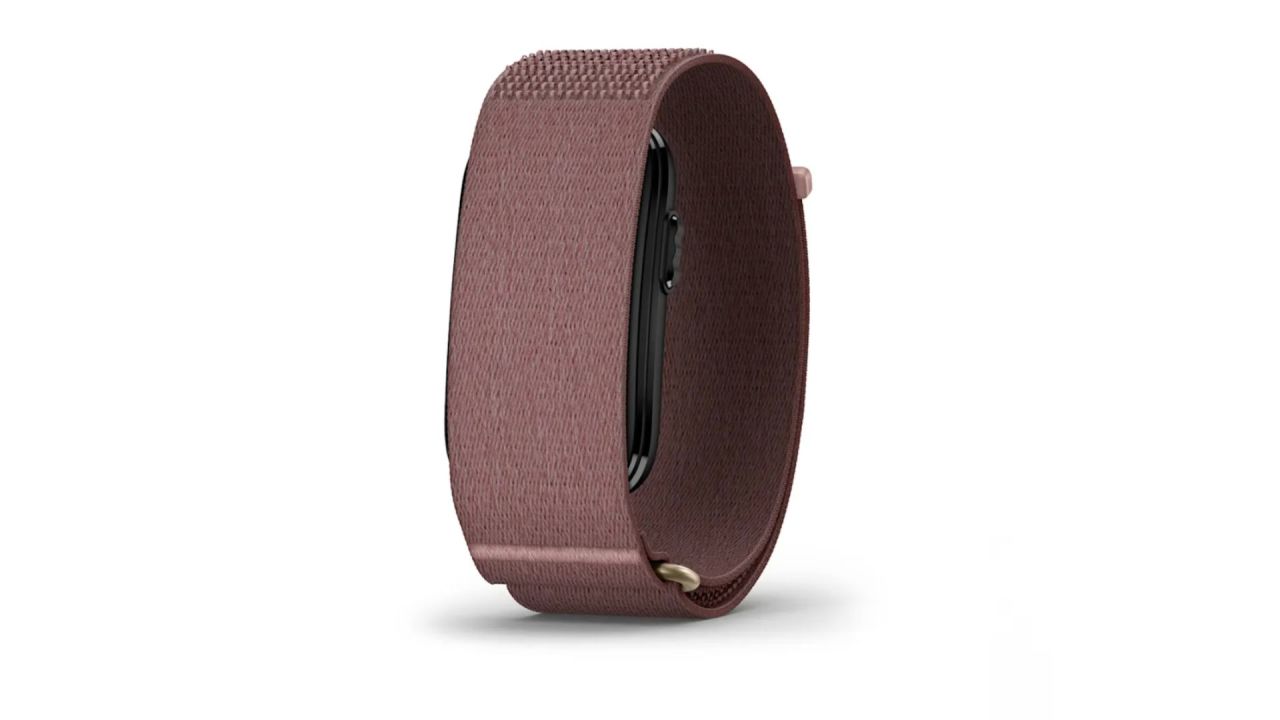
A Whoop alternative, the Garmin Cirqa Smart Band ditches the bulky display screen many running watches have for screen-free comfort. And instead of a yearly subscription costing $199 to $349, you’ll get all its longevity data for a one-time price of $200
$200 at Garmin
$200 at Best Buy
$200 at REI
$200 at Amazon
While Cartwright loved that this longevity band requires no subscription to access essential healthspan data like HRV, V02 max, sleep stages, calories burned and activity tracking, she was bummed that it didn’t have any special add-ons. Essentially, you get the same info provided by other Garmin models; the difference is that you’re using a screenless fitness tracker
However, Cartwright appreciated the Cirqa’s design. You just press a side button when starting an activity, rather than having to hope and pray the gadget will notice. She found this feature particularly useful during Pilates and yoga, when her heart rate was low. The Velcro design was easier to modify than a Whoop band, which requires you to slip it on, then make fit adjustments, and the color options were nice
You can, in theory, use this tracker and another Garmin in tandem, but Cartwright said she struggled to set up two and switch between them in the app. The app loaded more slowly, and it was hard to tell which set of data she was looking at in the interface. She also found that it took longer for runs and workouts to upload to the Garmin app when two gadgets were working at once
The 24/7 health monitoring was nice, but not extraordinary, since that’s included in everything these days. All in all, the band is fine, but it’s a bit of a confusing addition coming from a brand that data lovers adore
Amazfit Helio Ring
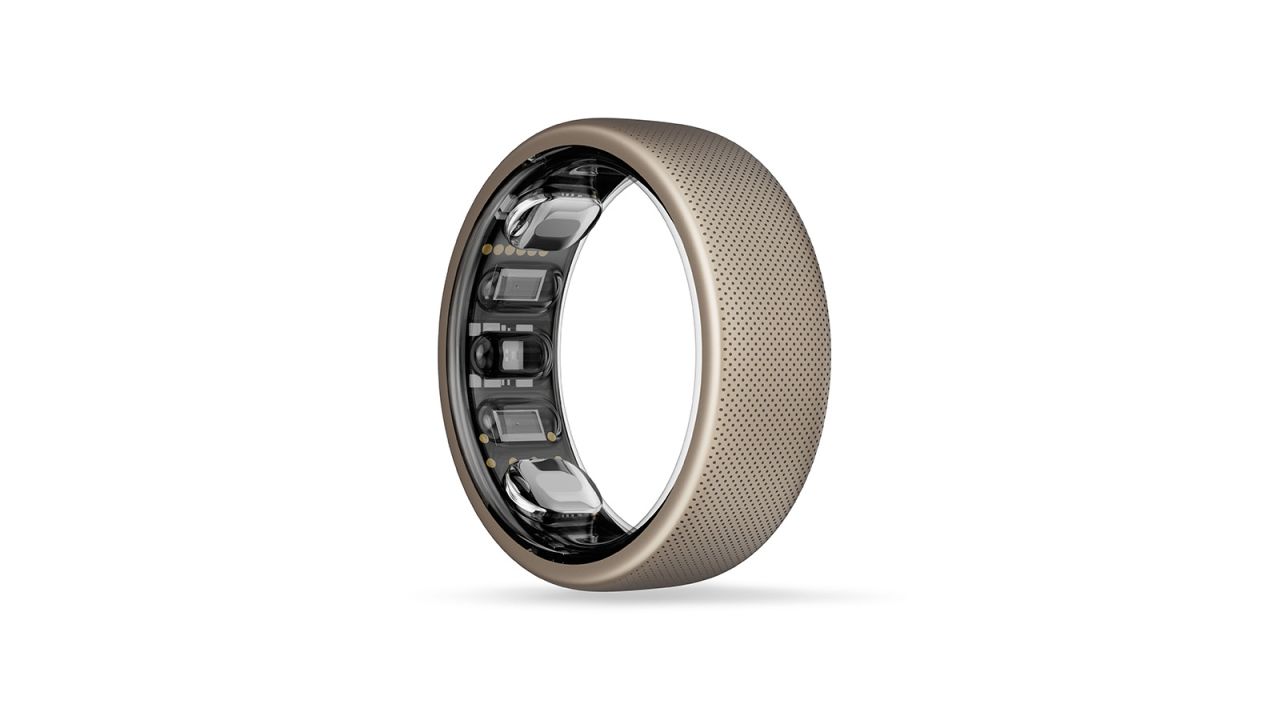
At less than half the cost of most Oura Ring models, the Amazfit Helio ring is a cheap fitness tracker ring that offers insights for free or for a $6 subscription. It comes in one style and three sizes: 8, 10 and 12
From $150 at Amazon
$150 at Amazfit
A cheap Oura Ring competitor is great in theory, but this ring fell short for a number of reasons. First, it looks like something that belongs in your toolbox, with a very masculine aesthetic that doesn’t blend in with other jewelry, which could be a positive or negative, depending on your preferred aesthetics. Second, its four-day battery life and 100-minute charging time are lackluster. Third, the app interface is rough and confusing
You’ll still get heart rate, temperature, electrodermal activity (EDA) and activity monitoring with this ring, but you’ll be shackled to a $6 monthly subscription, just like Oura’s, so why not invest a bit more in the hardware (and software) and get a sleeker ring that monitors more and boasts tracking partnerships — like glucose monitoring and cycle tracking — galore
Coros Pace 4
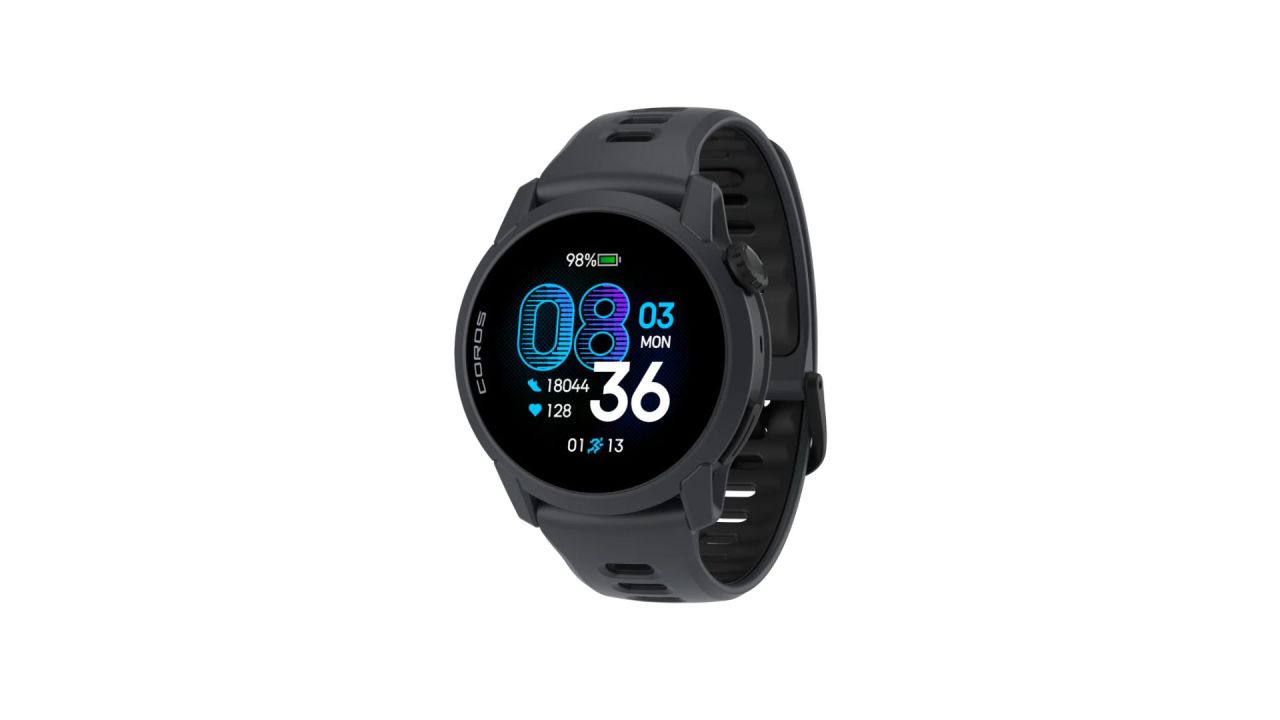
The Coros Pace family has long been a favorite among beginner and pro marathon runners alike, Cartwright said. The models have always been dependable for tracking pace, miles and training throughout the build or maintenance phases. The latest iteration is a solid running watch for under $250
$249 at Amazon
$249 at Coros
$249 at REI
This is just the second AMOLED-screen watch from Coros (the first was its Pace Pro, released last year) and the higher-quality screen is evident when comparing the Pace 4 to the Pace 3. It’s easier to check out stats during night runs, features more vibrant coloring and maintains solid battery life. In fact, this watch lasts for up to 19 days on a full charge
While this model can’t control music uploaded from your smartphone, unlike other options on this list, it still offers helpful analytics in the Coros app, including sleep tracking and HRV readings. It’s a quality investment for beginner runners, hikers and walkers alike who need a dependable watch without any superfluous features
Fitbit Inspire 3
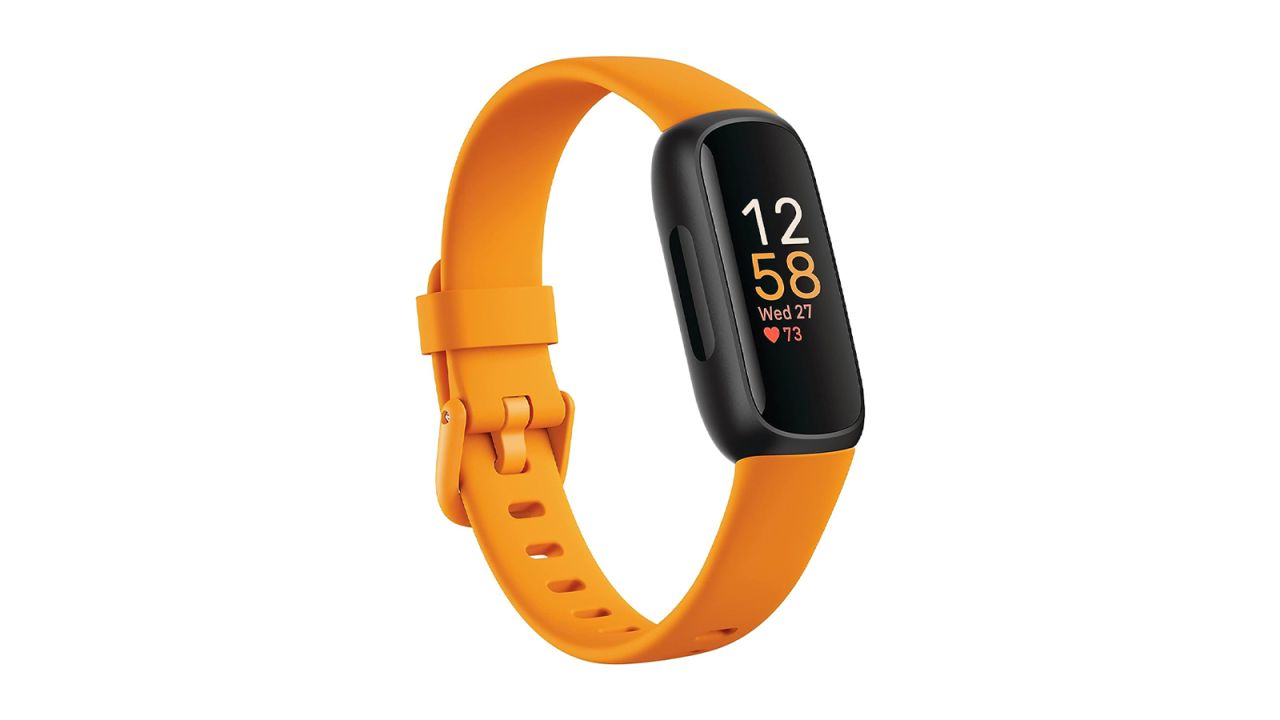
The Fitbit Inspire 3 is the best fitness tracker for most people, offering comprehensive tracking, a vivid color display and a comfortable fit for $100
From $90 at Amazon
$100 at Target
The first thing you notice about the Fitbit Inspire 3 is its bright, color AMOLED screen, which replaces the monochrome screen on the Inspire 2. Not only does this new screen make the tracker more visually appealing, but it also makes it easier to see your information in bright sunlight
Activity tracking is what Fitbit does best, and the Inspire 3 makes it easy. There are over 20 different workouts to choose from (including run, bike, swim and treadmill), though you can only have six workouts on your tracker at once. To swap them out, you need to connect to the app, make your changes, and re-sync the device. The Inspire 3 also uses what it calls Active Zone Minutes to help you better reach your workout goals. It monitors your heart rate and tracks how much time you spend in certain zones, taking age and fitness level into account.
With its entry-level price tag, the Inspire 3 lacks the smarts of a more expensive device. There’s no built-in GPS (though you can use your phone’s GPS to track a run and no contactless payments or built-in music service like Spotify
But if you’re looking for an easy-to-use, feature-rich tracker with a color screen and 10-day battery life, the Fitbit Inspire 3 is a great option
Apple Watch Series 11
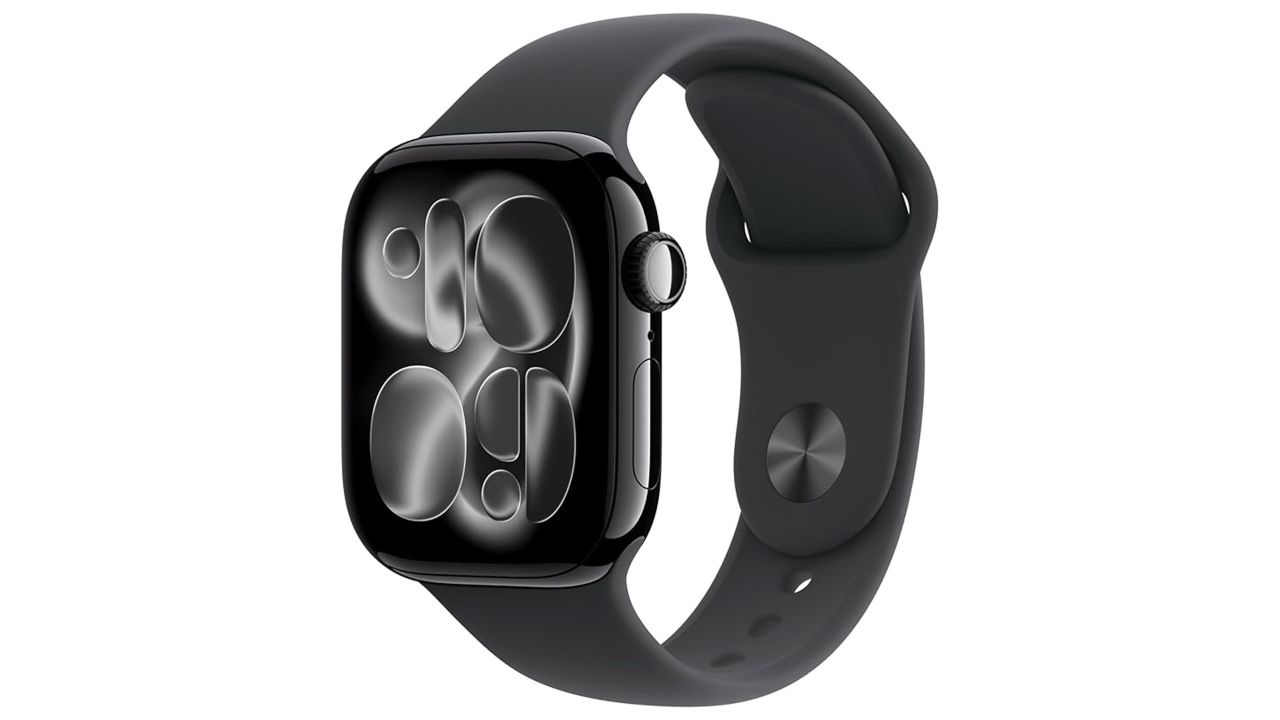
The Series 11 pushes Apple’s flagship wearable forward by offering extended battery life of up to 24 hours (finally). Fitness tracking remains the same as it has been for several generations, which is to say it still offers plenty of trackable activities, useful fitness insights and Apple’s classic ring-based system
From $306 at Amazon
Apple’s smartwatches have been among the best fitness trackers for years, despite being available only to one group of people (iPhone users). But for those who can use one, they offer a premium fitness-tracking experience, with the main nitpick being that the battery life doesn’t last beyond a day
To Apple’s credit, it addressed this drawback in the Series 11, as the watch now offers up to 24 hours of battery life (compared to 18 hours in previous generations). When Stella reviewed it, this meant he could use the watch to its full potential, more so than he could the Series 10. He’d be able to track his daily activity, steps and workouts, and use the sleep-tracking function at night. He said he throws the watch on the charger for about 30 minutes a day and gets enough juice to last as long as he needs.
But this still may not be enough for folks like long-distance runners or anyone who doesn’t have reliable access to a charger. If that’s you, perhaps consider the Ultra line (if you’re dead set on an Apple Watch) or something else like a Garmin, which can last up to a week on a single charge
Apple Watch Ultra 3
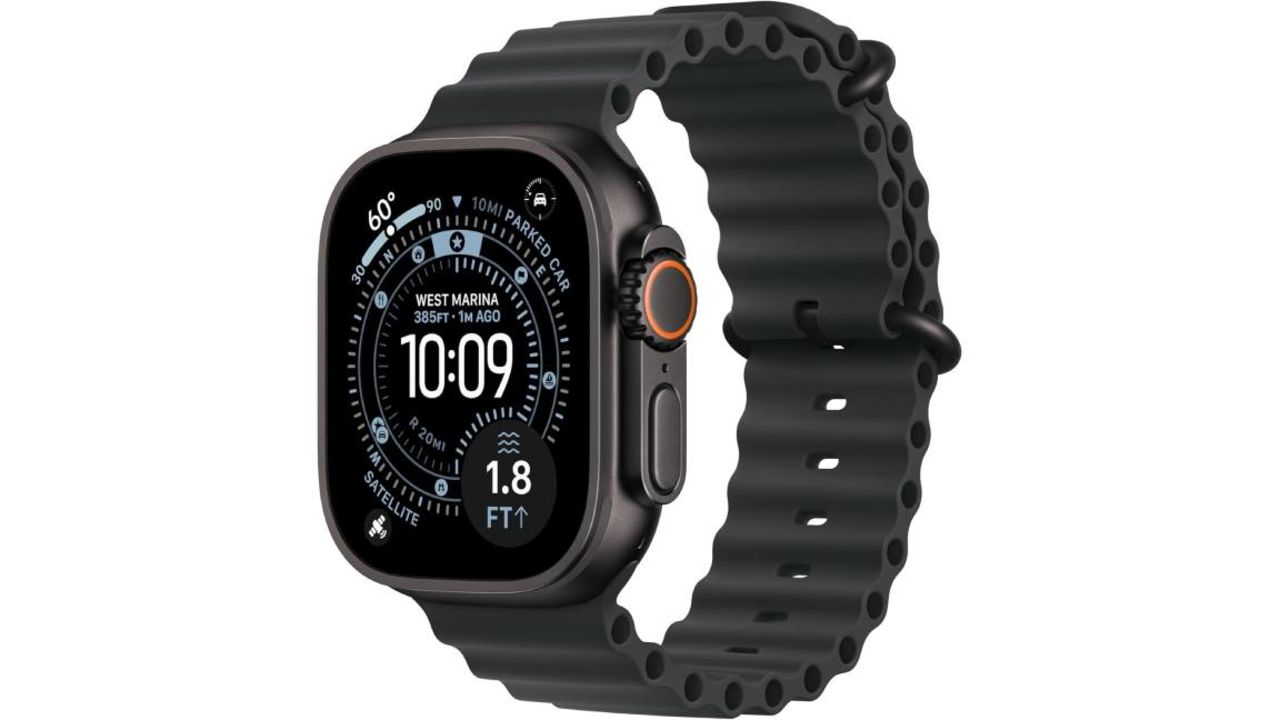
The Apple Watch Ultra 3 features the biggest screen on an Apple Watch yet, as well as an emergency SOS function (good for backcountry users) and 42 hours of battery life. It’s still just as rugged and durable, but it’s tough to recommend at this price point for anyone other than elite athletes who can make use of its advanced features
The Ultra 3, like the Ultra 2 and the first-gen before it, is a monster of a watch. Compared to the Series line, it has a bigger screen, longer battery life and more advanced activity features for divers and elite runners or cyclists. It also has a much steeper price tag
Because of that, the Ultra 3 is best used by those same divers and elite athletes who can truly get the most out of their $780 investment. Stella also tested this one and said that he barely feels he’s able to take full advantage of what it has to offer, and he keeps busy each week by working out five or six days, running once or twice, playing soccer and tennis on the weekends and occasionally swimming or cycling
But it’s easy to understand that this watch isn’t just for tracking fitness or health metrics. Yes, Apple markets it as such (which is smart), but an Apple Watch still carries a unique status that’s appealing to those already up to their ears in the Apple ecosystem. They use a MacBook Pro for work, text and call on their iPhone, listen to music via their AirPods and track their daily activity with an Apple Watch. Stella said he gets it (mostly because he said he is that exact person). If that’s you and you have the budget, the Ultra 3 is the most advanced watch Apple sells.
Apple Watch Series 10
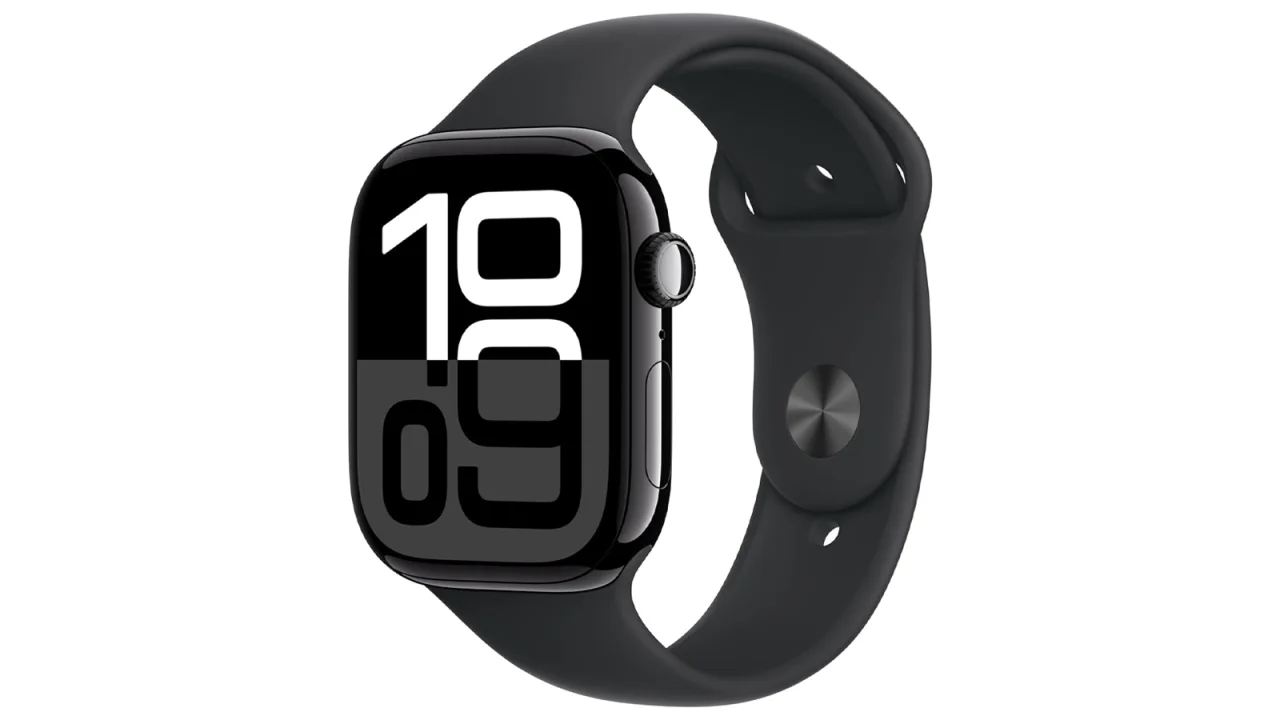
The Apple Watch Series 10 remains one of the finest smartwatches an iOS user can buy, and it also excels as a fitness tracker. However, its day-long battery life limits its overall effectiveness, especially for long-distance runners or extreme athletes
Read our review
There’s plenty to like about the Apple Watch Series 10 as a fitness tracker. Apple’s rings-based activity ecosystem is an addictive version of the 10,000-daily-steps habit many wearable users have become familiar with over the years, and the interface and operating system are particularly intuitive for iOS users
But there’s one aspect of the Series 10 (and every series before it) that truly holds it back: the fact that its battery only lasts a full day, at best. For smartwatch-centric users of the Series 10, this isn’t that big a deal. Sure, charging it every night isn’t ideal, but it’s doable. For folks who use it as an activity tracker, it can be quite annoying. Maybe it dies in the middle of a long run or you notice you only have about 15% battery life left before a workout
To its credit, charging it for roughly 15 minutes does give it a decent amount of juice, but there’s still no denying that its limited battery life holds it back from being among the best fitness trackers
Apple Watch Ultra 2
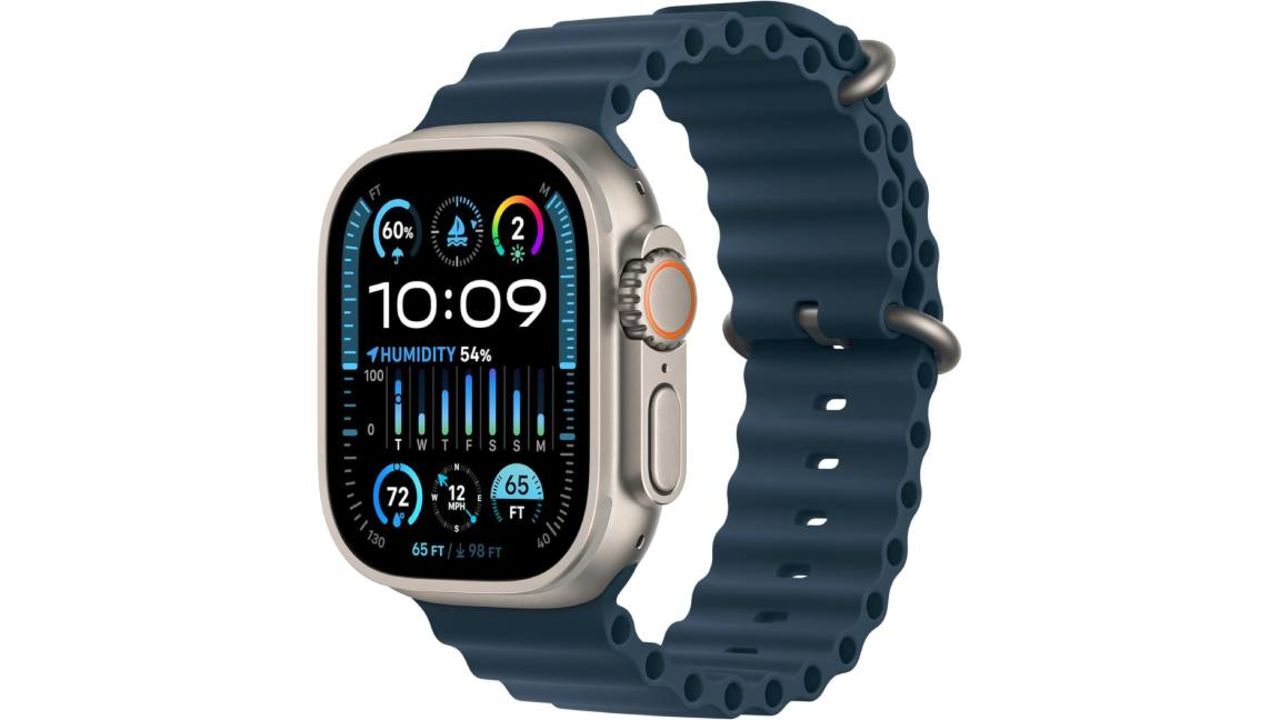
The Apple Watch Ultra 2 is a beast of a smartwatch that offers premium features for avid athletes like offline maps and diving, cycling and hiking support. Unless you think you’ll make use of those features, though, it’s hard to justify the over-$700 price tag
$575 (Refurbished) at Best Buy
$589 (Refurbished) at Apple
The Apple Watch Ultra 2 succeeds where the Series 10 fails: it has a battery that lasts longer than one day. And while two-day battery life may not seem like a huge improvement over a single day on paper, in practice, the difference is very apparent. Perhaps this comes down to personal preference, but not having to stick the Ultra 2 on a charger daily makes the experience far more enjoyable
But the Ultra 2 isn’t only up against its smaller sibling; it now competes with the next-gen model, the Ultra 3. As a cheaper alternative to the Ultra 3, it’s excellent, but compared to the wider range of fitness trackers, it sits somewhere in the middle of the pecking order. It isn’t as rugged as something like Garmin’s Fenix 7, but it’s not as bare-bones as the Fitbit Charge 6
Fitbit Charge 6
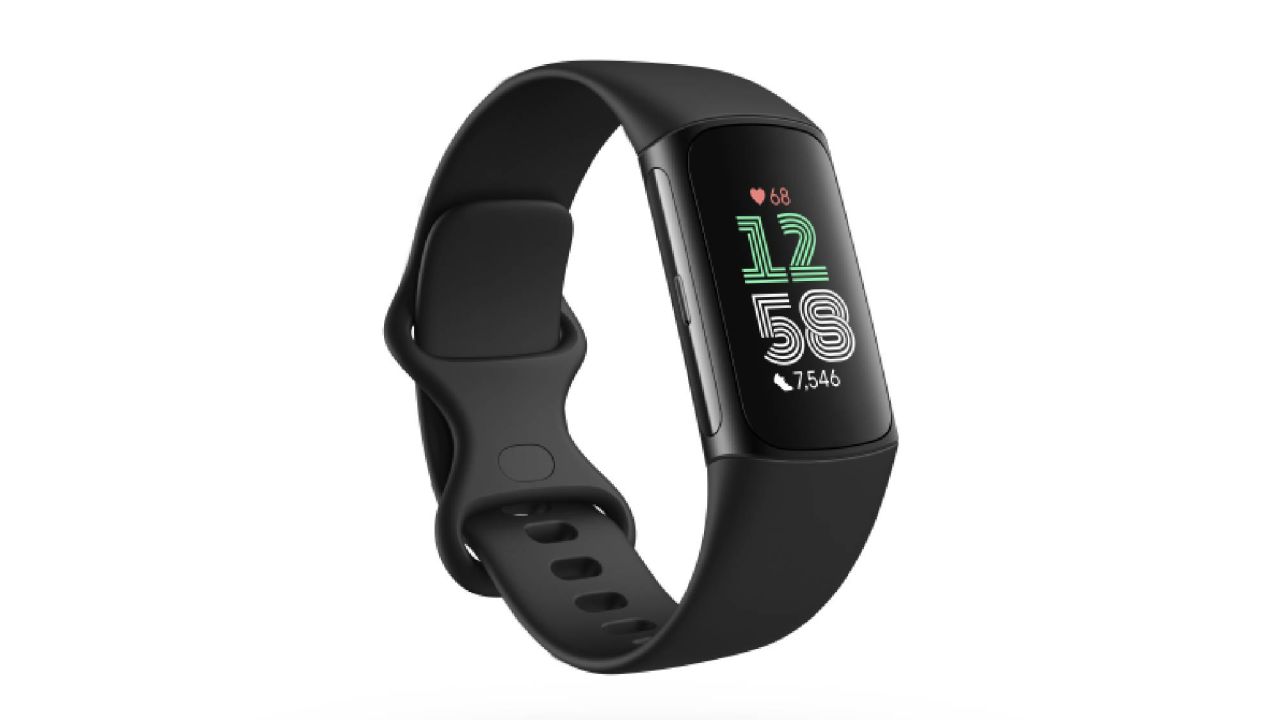
The Charge 6 reigns supreme for those who crave data-driven insights, advanced health tracking and a versatile fitness companion
From $119 at Amazon
$145 at Best Buy
Like other Fitbit devices, the Charge is more than a step counter; it’s a data-driven companion designed to help you understand your body, optimize your workouts, and conquer your health goals. Since the Charge 5 (and previously Charge 4) were already crowd favorites, we were eager to see how Fitbit took it to the next level. We put it through its paces on runs, swims and even during our sleep to find out. While the Charge 6 didn’t nab our top spot, it is still worth consideration
It’s an upgrade over prior Charge models (the 4 and 5) and packs an arsenal of features that solidify its reign as the fitness tracker for the masses. Its comprehensive health-tracking features, built-in GPS and ECG app provide valuable insights and empower you to take charge of your well-being. It also integrates better with Google (which owns Fitbit), so you can readily get directions in Google Maps, make payments through Google Wallet, or play YouTube Music
Our testers were also fans of the haptic button added back to the side of the watch, which, with a single press, wakes the watch face and takes you to the home screen. However, the higher price point and slightly bulkier design might deter budget-conscious users or those seeking a more minimalist tracker
Fitbit Inspire 2
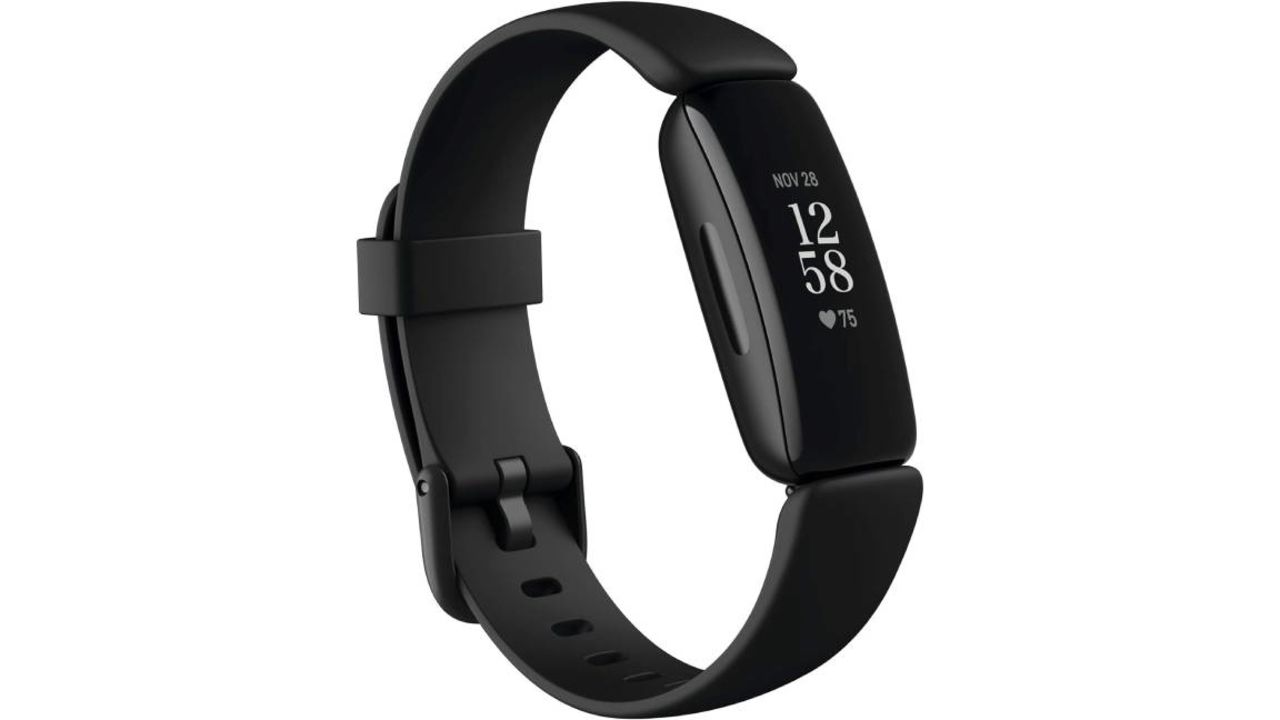
The Fitbit Inspire 2 is a great under-$100 choice for anyone who wants better clarity and more robust data about their health, fitness and wellness lifestyle
$78 at Amazon
Our previous pick for best fitness tracker, the Inspire 2 from Fitbit, is a sleek, compact wearable that won’t catch on clothing (or anything else) while working out. Its thin screen also seems less prone to bumps and scratches, so in a way, it feels more shatterproof than others. Plus, with features to track your sleep, strength training, and cardio workouts, the Inspire 2 covers all the basic bases you need to keep your health in check
Garmin Fenix 7S
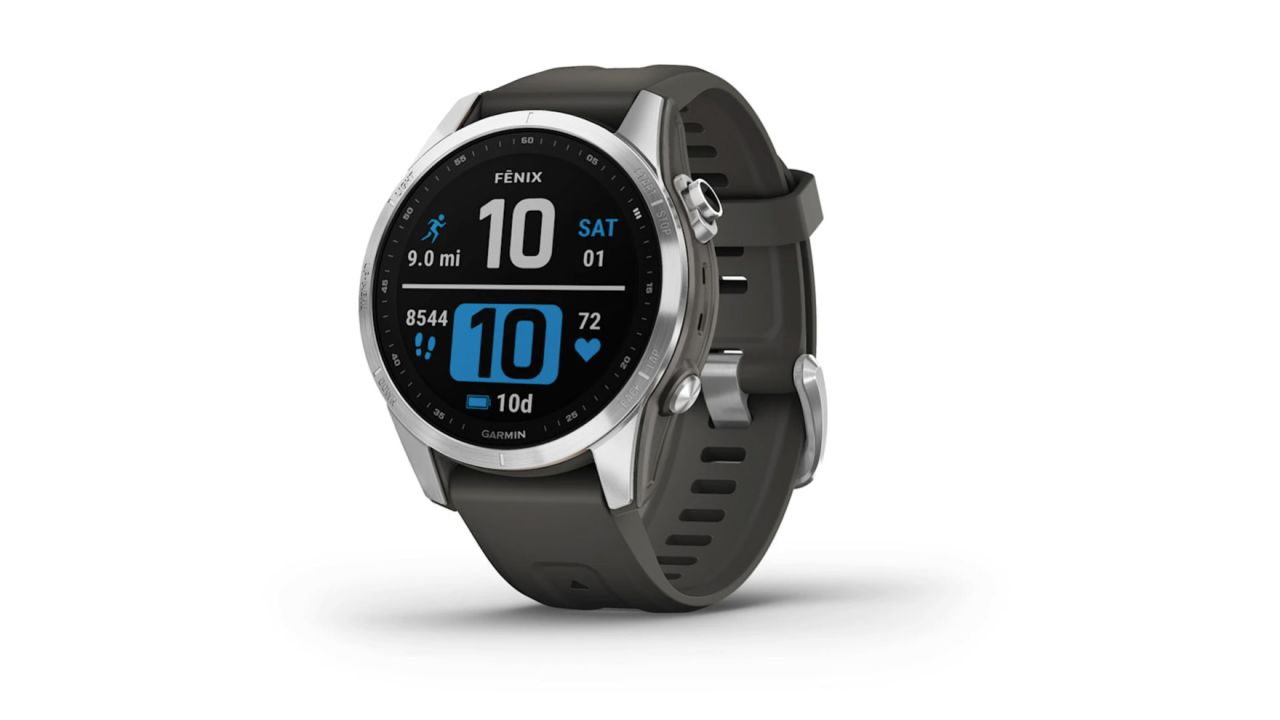
Garmin’s Fenix 7S is a full-featured wearable perfect for those who do a little bit of everything. It tracks runs, bike rides and hikes, as well as trail runs, snowboarding, volleyball and tons of others. It’s expensive but might be the last fitness tracker you ever need to buy
From $550 at Amazon
It’s not easy to recommend a wearable that costs $550, but there are few models quite like Garmin’s Fenix 7S. This jack-of-all-trades fitness tracker can do just about anything you throw at it. It can track normal activities like running and cycling, as well as advanced workouts like skiing, kickboxing, trail running, and many others. This is the watch you wear if you are constantly active
Some of its best features include weeklong battery life, a training load monitor that tells you when to ramp up your workouts or when to rest, and the ability to download and play music directly on the watch. It also offers in-depth sleep tracking, accurate heart rate monitoring, female health and menstrual cycle tracking, downloadable maps and a unique body battery function. Again, this watch does everything
Garmin Forerunner 265S
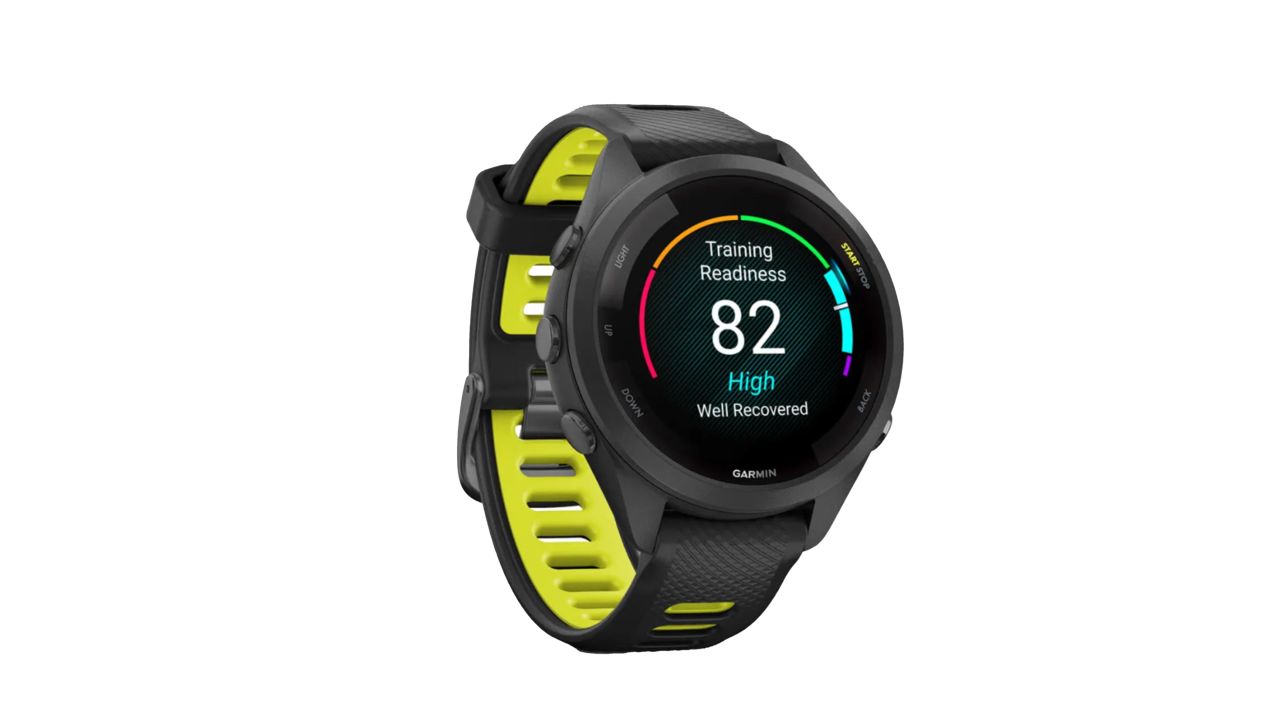
Garmin’s Forerunner line is an excellent option for anyone looking for a reliable, full-featured fitness tracker designed to last many, many years. It doesn’t have the extensive bells and whistles of the Fenix line, but it’s still a powerful activity tracker that offers a lot of functionality
From $350 at Amazon
$450
$350 at Garmin
Garmin’s Forerunner 265S is a runner’s dream. Not only does it offer multiday battery life and extensive activity-tracking capability, but it’s also comfortable and provides unique health and fitness insights. But most notably,, it has various running-specific features geared toward helping users train for races like 5Ks, half marathons,, and marathons. It even provides useful feedback on when you should take your foot off the gas and rest
They can be, yes, especially if you want detailed insights into your workout habits and training schedule. Fitness trackers provide a unique look at a wearer’s overall fitness levels and can help motivate certain users
Yes, the Apple Watch is an excellent fitness tracker, but it needs to be paired with a device running iOS. Because of this, Android smartphone users won’t get the best experience with an Apple Watch. They aren’t entirely unusable for Android users, but the features and access pale in comparison to those available to iPhone or iPad users
No, not all fitness trackers come with built-in GPS, but most current models do. However, wearables with built-in GPS are best for those who stay active outdoors or are training for a specific event, such as a 5K or marathon. Fitness trackers without GPS, like our top overall pick, are still a solid option for casual fitness goers or anyone who wants to track their daily step count or burned calories
They can be, yes, though not all fitness trackers offer the same smartwatch capabilities. For example, the Apple Watch is an excellent fitness tracker with some of the best smartwatch features among wearables. It gets app, text and call notifications and offers various unique apps. Conversely, a Fitbit, like our top pick, the Inspire 3, still offers some notifications, but they aren’t as robust
Somewhat. The accuracy of a fitness tracker with built-in GPS varies depending on the type of wearable and the connection it can establish. Some may be accurate down to the nearest 0.1 mile, while others may be off by as much as 0.25 miles or more
For this article, we consulted the following experts to gain their professional insights:
- Keegan Draper, National Academy of Sports Medicine certified personal trainer and fitness specialist for Mindbody
- DeBlair Tate, certified fitness instructor
CNN Underscored editors and writers ensure every product included in an article is thoroughly vetted and something we ourselves would feel comfortable buying and using. Our team has many decades of collective experience researching, testing and recommending products across every category — from fashion and food, to home goods and health, to electronics and everything in between — and we’re committed to using that expertise to help you make the most of your money and live a better life
For this article, CNN Underscored health and fitness editor Summer Cartwright and CNN Underscored senior testing editor Rick Stella tested various fitness trackers during workouts, including runs, walks, gym sessions, Pilates classes and yoga practices
Summer Cartwright is the health and fitness editor for CNN Underscored. She’s an RRCA-certified running coach, four-time marathoner and a certified cycling instructor
Latest Articles
- I walk 10,000 steps a day. Here’s the gear I use to stay motivated and pain-free
- The best golf gifts for novices and fanatics alike, according to people who love the sport
- 10 products to age-proof your home, according to geriatricians
Rick Stella is a senior editor for CNN Underscored based in NYC. He manages the testing team and oversees the product testing processes and strategy across all verticals, including home and kitchen, health and fitness, outdoors and pets. He enjoys playing soccer, snowboarding and seeing live music
Latest Articles
- We test fitness trackers year-round. These 2 are the best for analytics and comfort
- Longer battery life and in-depth health tracking make the Galaxy Watch Ultra 2 the best Samsung smartwatch to date
- We tested gas, charcoal and pellet grills to find the best grills in 2026
