


- Understanding Grief
- Take our Depression Test
- Find counselling to heal from grief
Key points
- So many are mourning Dolly Parton, showing how deeply artists can become part of our personal lives.
- Dolly Parton’s voice, defiance, and sassy humor resonated with millions and made people feel less alone.
“I’m not going to limit myself just because people won’t accept the fact that I can do something else.”
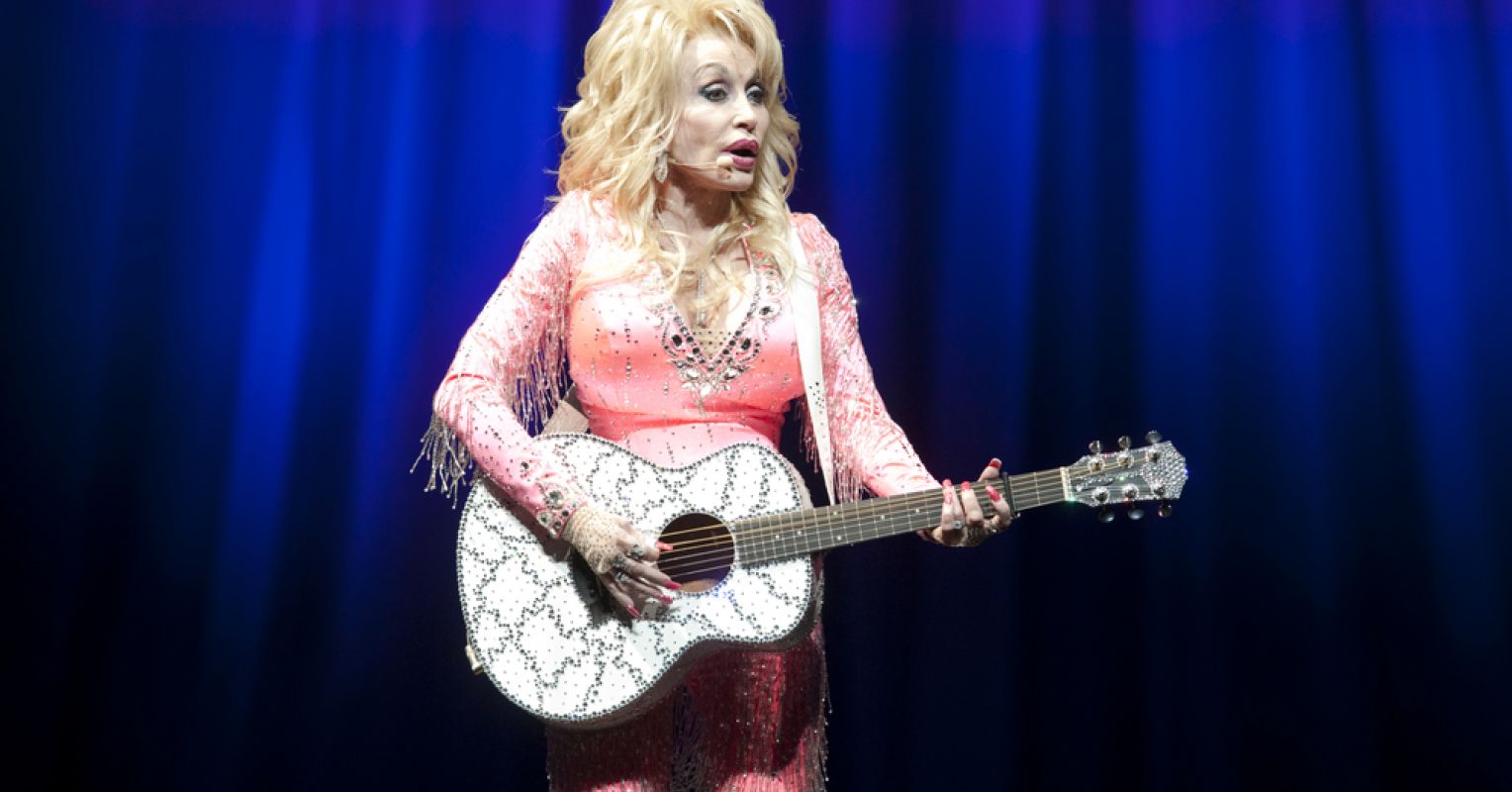
The loss of Dolly Parton feels enormous. For generations of people who grew up with her music, her humor, her voice, and her larger-than-life presence, her death can feel extremely personal. Around the world, people are grieving someone most never met, turning to the work she left behind, playing her songs, sharing favorite performances, and returning to the stories she told across a career that lasted more than six decades
In many ways, art can become an emotional archive of experiences and feelings in our personal lives. A song outlives the moment in which it was created, and sometimes the person who created it
The Myth of the Tortured Artist
We often romanticize the relationship between suffering and creativity. We latch onto the heartbreak that runs beneath an album, connect to the trauma that becomes a novel, or relate to the loss we see in a painting
The creative process can help people externalize experiences that are difficult to articulate. Artistic expression may facilitate meaning-making and help people maintain an evolving connection with someone they have lost (Balan, 2023)
But that doesn’t mean grief automatically makes someone more imaginative. In fact, creative output may suffer during periods of acute grief. Trauma and pain can ignite the artistic process, but they can also disconnect us from ourselves and make it impossible to create (Balan, 2027)
One of Parton’s most famous songs, “I Will Always Love You,” emerged from loss
When she decided to leave The Porter Wagoner Show and pursue a solo career, Wagoner resisted the decision. Parton felt unable to make him understand why she needed to leave
So she did what she knew how to do
She wrote a song about it
“I Will Always Love You” became the goodbye she had been unable to communicate in conversation. Parton wrote it during an emotionally charged turning point while facing a decision that would change both of their lives
Parton was sassy, funny, defiant, and remarkably real. There was an irreverence to the way she presented herself and a willingness to laugh at herself before anyone else got the chance. She was glamorous without taking glamour too seriously and ambitious without apologizing for wanting more
Parton often met adversity with humor—and rarely let other people tell her who she was supposed to be. She understood that her exaggerated femininity could make people underestimate her, and she often seemed to enjoy being in on the joke
“I’m not offended by all the dumb blonde jokes because I know I’m not dumb—and I’m not blonde either.”
She famously turned judgments about class, beauty, and femininity into an identity she authored for herself. She openly traced her signature look to the woman her mother called the “town tramp,” recalling that her feeling was, “That’s what I want to be when I grow up. Trash.”
What others put down, Parton could reclaim and transform with creative defiance. “I would never stoop so low as to be fashionable,” she joked
Then Parton Couldn’t Write
Decades later, when Parton’s husband, Carl Dean, died in March 2025 after nearly 60 years of marriage, she found herself having trouble writing
- Understanding Grief
- Take our Depression Test
- Find counselling to heal from grief
Parton said ideas were still coming to her, but she wasn’t ready to finish them. Writing would require her to enter an emotional space she did not yet feel ready for
A writer, musician, actor, painter, or performer often has to move toward emotions that the rest of us may instinctively move away from. They notice them, inhabit them, shape them, and eventually offer them to an audience. Acute grief can make that access overwhelming
When Your Pain Is Also Your Profession
Most of us are allowed some separation between our grief and our work. Performers often aren’t. In the midst of difficult life events, a musician may still be expected onstage, an actor still has a call time, and a writer still has a deadline. The public figure may have interviews, appearances, contracts, employees, audiences, and an entire professional ecosystem that continues operating while their private world has changed
Grief Essential Reads

Is It Normal for a Grieving Person to Feel Happiness?

How Grief Affects a Dysfunctional Family
People may wonder what the loss will produce or what the breakup will sound like on the next album. The performer may feel pressured to turn their pain into material. Suffering becomes not only personal experience but potential content
Creativity Is Not Always Catharsis
We often talk about creativity as cathartic, but catharsis isn’t automatically therapeutic
Making art can help people organize experience, create meaning, preserve connection, and communicate feelings that are difficult to put into ordinary language. But creative engagement with painful material can also evoke emotional overload. A person may need distance before they can create from an experience (Balan, 2023)
This may be particularly relevant for performers because their emotional expression does not remain private (Balan, 2027). Once transformed into a song, film, book, or performance, an intimate experience can become a product audiences consume, interpret, critique, and ask the artist to revisit repeatedly
Parton was famous for her optimism, but she always made room for adversity rather than pretending it did not exist. “If you want the rainbow, you have to put up with the rain,” she said
The Artist Behind the Work
Parton transformed poverty, longing, jealousy, separation, ambition, family, and love into stories other people could recognize themselves inside. Her autobiographical songwriting, from “Coat of Many Colors” to “I Will Always Love You,” helped make the deeply personal feel universal. People could find themselves in her humor, heartbreak, ambition, tenderness, and refusal to be anyone other than herself
Parton once said, “Above everything else I’ve done, I’ve always said I’ve had more guts than I’ve got talent.” Talent matters, but creating also requires the courage to expose oneself, risk being misunderstood, and keep making things even when other people have already decided who you are supposed to be
We do artists a disservice when we imagine that every wound should become art, or that creativity proves resilience. Sometimes resilience looks like recognizing that the pain is still too close to touch
Parton’s extraordinary body of work reminds us that art can carry pieces of a person long after they are gone. Before there is the performer, the songwriter, the story, or the song, there is a human being experiencing the loss
And perhaps the greatest respect we can offer an artist is to remember that their pain never owed us a performance. When they chose to share pieces of themselves through their art, they gave us something in return: a way to feel more understood, less alone, and more connected to one another
Balan, D. (in press). Body Business: Maintaining Mental Health and Autonomy for Athletes, Performers, and Models.Routledge
Balan, D. (2023). Re-Write: A Trauma Workbook of Creative Writing and Recovery in Our New Normal. Routledge
Parton, D. (2023). Behind the Seams: My Life in Rhinestones. Ten Speed Press
