


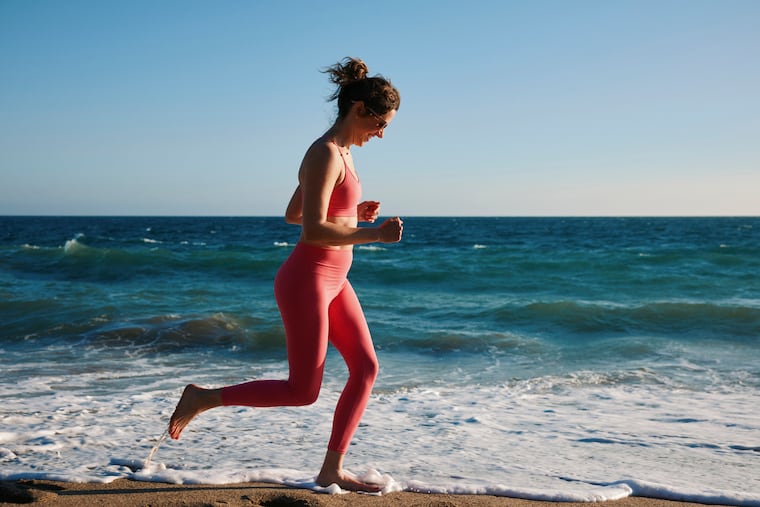
- by Danielle Friedman, New York TimesPublished July 15, 2026, 7:22 p.m. ET
If you’ve been to the beach with kids, you know it can become an instant playground
The beach can be a playground for adults, too, and allow you to move in new and different ways, which can bring fitness benefits you can’t usually get in a gym. The soft sand, wide-open spaces and splashing waves all lend themselves to movement, even when the sun is blazing
When you’re navigating seashells and seagulls, “you have to be a little bit more playful, and really present,” said Erin Sampson, a yoga instructor who trains aspiring teachers in Costa Rica and Colorado
Compared with exercising on a hard, even surface indoors or even at a park, exercising on sand works your muscles differently, helping to build lower-body strength and improve stability and balance, said Josh Goldman, a sports medicine specialist and team physician for UCLA Athletics
And moving in nature and environments that inspire awe can reduce stress and may even lower blood pressure
We asked coaches and experts in exercise science how to get the most out of moving on the sand
Beach workouts can be short
The environment may be serene, but exercising on the beach will most likely feel hard: Because sand is less stable than a gym floor or even a trail, your body has to exert more force and energy to walk, run or jump compared with working out on firmer ground, Goldman said
Your feet, ankles, hip, and core muscles also have to work harder to provide stability and balance during both propulsive workouts and body-weight exercises like yoga
While exercising on sand puts less impact on your joints, the softer the surface, the more challenging any movement becomes, he said. In response, your cardiovascular system will have to work harder to power the same exercise than it would on a firmer and more even surface
Soccer and running coaches with access to beaches often have their athletes practice on sand precisely because it is harder, Goldman said
But don’t let this scare you: These extra demands on your body mean that you can get a great workout in less time, said Heather Jeffcoat, a physical therapist in Los Angeles. If you can perform well on sand, competing on firmer surfaces may feel like a breeze
If you usually work out at the gym or on firmer surfaces, Jeffcoat recommended starting by doing roughly 25 to 30% of what you would typically do when exercising on the beach, to avoid injury and overexertion. For example, if you typically run 3 miles, run about a mile and see how you feel the next day. She also recommended starting on the firmest part of the shoreline, close to the water
A similar principle applies to yoga and body-weight training: Easing into these exercises and even starting with less challenging versions of movements you typically do inside can help build the strength and mind-body connection to reap the most benefits. So if you typically do 15 pushups, aim for about five on sand
If you have regular access to a beach, you can gradually increase the duration and intensity of your beach workouts as your body adapts, she said
They can build mental resilience
When you take a workout out of the gym and onto the beach, you are opening it up to many more unknowns. There’s the heat and humidity that come with any outdoor workout, but also the possibility of sand on your legs, wildlife and, if you’re on vacation, new terrain
It’s not clean or controlled, but that’s the point, Sampson said. The challenge becomes staying focused despite the distractions, and adapting as the ground literally shifts beneath you
“It’s the ultimate physical metaphor,” she said, adding that learning to move through obstacles like these can build mental toughness
They require a few precautions
Of course, with all of these additional challenges, you’ll get the most from a beach workout if you come prepared, the experts said
Before exercising on the beach, think about your footwear, Jeffcoat said. Walking, running or jumping barefoot can help strengthen your feet and contribute to ankle and leg stability. Sand socks, which beach volleyball players and other athletes sometimes wear while training, can help to protect your feet from heat
But if you typically wear orthotics or very supportive shoes while training, doing the same activity barefoot could put you at risk for injury. Jeffcoat recommended starting in sneakers and potentially testing out short bouts of barefoot movement to build strength and stability
You should also hydrate before, during and after exercising on the beach, rather than relying on when you feel thirsty, said Cedric Bryant, an exercise physiologist and CEO of American Council on Exercise. You will be exposed to direct sunlight on the beach, along with heat reflected off the sand and water, even on cloudy days, he said, which can put you at risk for overheating and dehydration
For all of these reasons, the experts recommended wearing sunscreen, a hat, sunglasses, and moisture-wicking clothing. Sampson typically tells her yoga students to wear close-fitting clothing. “The tighter your clothes are, the less sand you’re gonna have going down or up or around them,” she said
A swimsuit also works: When you’re done exercising, you can run into the ocean for an all-natural cold plunge
