


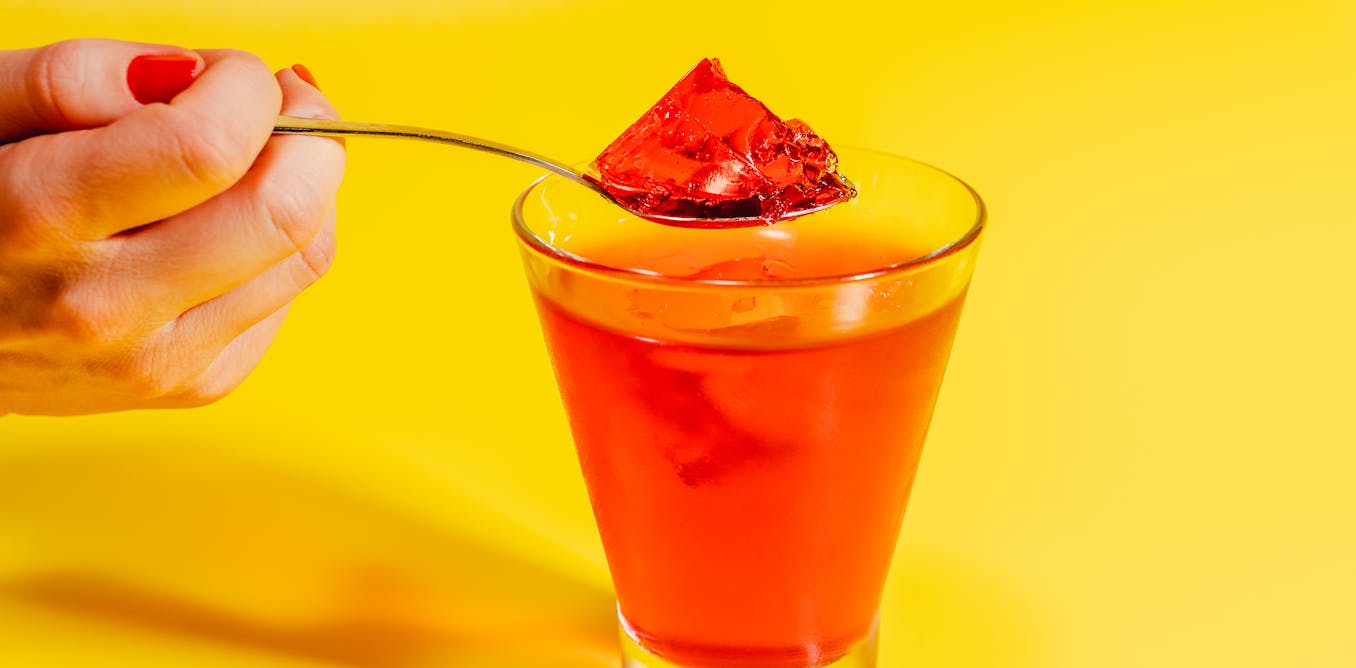
Paris Hilton’s mother Kathy recently tried the “Jell-O diet” to lose weight. She believed other celebrities – Oprah Winfrey, Doctor Oz, Michelle Obama and Kelly Clarkson – had endorsed it. But the diet was fake and so were the endorsements. Both had been generated by artificial intelligence (AI)
Commentators were quick to poke fun. <a href="https://www.news.com.au/lifestyle/health/diet/kathy-hilton-reveals-she-was-tricked-by-fake-celebrityendorsed-ai-diet/news-story/c5fb2c1268b6caf7f00469176edc7799″ rel=”nofollow noopener” target=”_blank”>One said:
Kathy is everyone’s grandma that you can’t keep off the internet reading crazy things
Misleading health claims are easy to find online, not just about fake diets. Examples include misinformation about vaccines and the cholesterol-lowering drugs statins. Then there’s the growing online market for unapproved peptides
Health misinformation – false, misleading, exaggerated or unsupported claims about health, disease and medical treatments – can have consequences
It can delay people from seeking medical care, discourage them from following evidence-based treatment, increase preventable illness and erode trust in health professionals. This can happen if such health information is shared deliberately to mislead or with the best of intentions
And it’s easy to think older people – like 67-year-old Kathy – are more easily tricked into believing it
But we’re all susceptible, whatever our age
Are older people really more at risk?
Adults aged 60 or older are more likely than younger adults to be exposed to deceptive or untrustworthy health content or sites, particularly
This includes content aimed at selling products, lacks
no other demographic characteristic examined – gender, income, education – had any consistent relationship with the likelihood of sharing fake news
It’s tempting to attribute this to age-related cognitive decline. But adults aged 60 or older can distinguish true headlines from false ones, for example
So differences in online behaviour are unlikely to be explained by ageing alone
So, what’s going on?
People are more likely to believe health misinformation if they follow conspiracy theories, are religious, and follow conservative ideologies or parties. Distrusting science, or being worried or anxious, also increases the risk of becoming susceptible to health misinformation
Some people are exposed to more misinformation than others. This includes those who actively engage with unreliable content by commenting on it or sharing it. Being exposed to health misinformation repeatedly can also make false claims appear accurate
Many of these behavioural and psychological factors apply to younger adults too
But older adults use and interact with online health information and misinformation in different ways
When they visit a “dodgy” health website, that’s mainlyites), rather than through search engines or social media
They also face challenges younger generations may not. Many join social media later in life and have had fewer opportunities to develop skills to evaluate digital information
And even if they do end up encountering health information online, they don’t
rely on it as their primaryryday health questions or fill gaps after a consultation. For health information, most still trust doctors, pharmacists and family members
What can we do about it?
Combating health misinformation requires more than teaching people, of any age, how to spot a fake headline. Health and digital literacy programs should help people:
- choose reliable sources before engaging with questionable claims
- recognise common tactics such as emotional language, false experts and conspiracy narratives
- pause before liking or sharing.
These efforts should be tailored to different audiences and reinforced over time. A one-off checklist may improve people’s ability to detect dubious content, but is less likely to produce lasting changes in what people believe or how they behave
Even high levels of digital literacy or experience online are no guaranteed immunity to healthy misinformation. This can make older people think they’re better than they are at spotting misleading information online. Older people might also be sceptical or cynical about various
The platforms have a role too
Search engines and social media platforms also need to do more to help people of all ages evaluate the information they encounter
Examples could include integrating real-time credibility indicators, such as a traffic light system of warning labels. These can be effective across different demographics, and languages
Search engines and social media platforms could also present evidence from government websites next to online claims to allow readers to make a side-by-side comparison
So rather than removing misleading content or adding fact-check labels after the fact, these approaches encourage users to compare information before reaching a conclusion
Let’s not blame older people
Ultimately, tackling health misinformation is not simply about teaching people of any age to “use the internet better”. It requires helping them select reliable beliefs, and pause before sharing
This is while creating online environments where trustworthy health information is easier to find and recognise
These strategies should be tailored to people’s existing digital skills, reinforcing good habits among experienced users while providing more in-built support to those with less experience
