


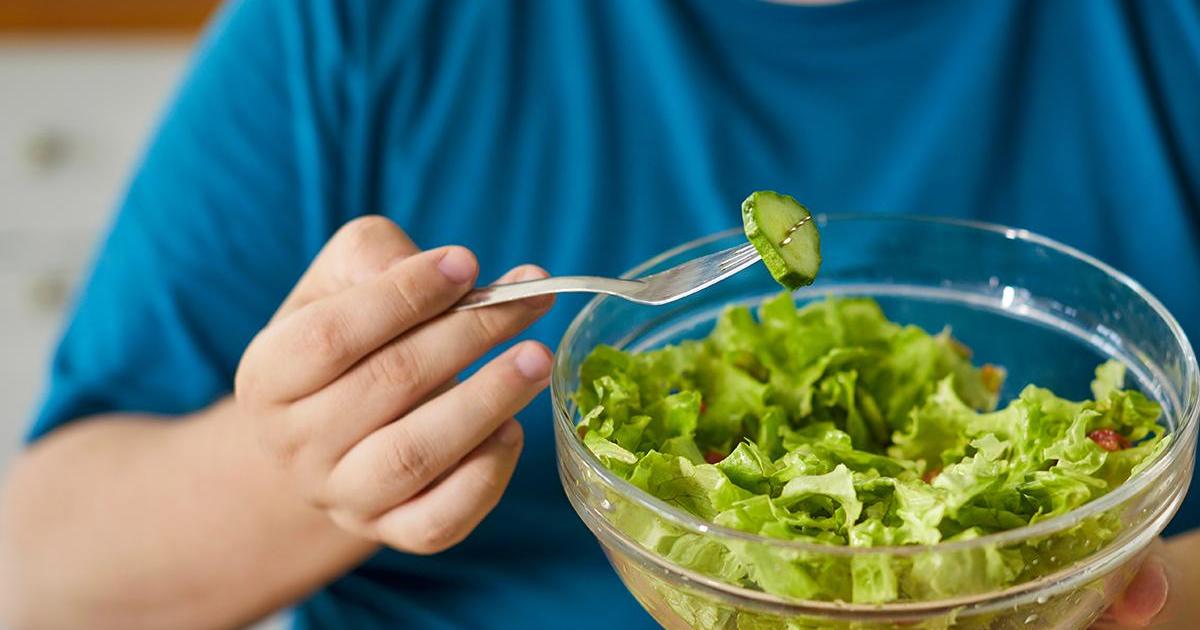
Charles had spent years believing he disliked zucchini but now he is happy to eat them
“I thought I didn’t like zucchini but when I tasted them here with pesto, I liked them,” the 62-year-old said after taking part in a six-week cooking programme designed for people recovering from obesity
For Ray, 72, the changes were just as practical. He learnt how to prepare shepherd’s pie with cauliflower instead of potatoes, became more confident shopping on a budget and cut his weekly grocery bill from €125 to €90 by planning meals more carefully
Their experiences form part of a new University of Malta study that found hands-on cooking and nutrition education can help people leaving structured obesity treatment develop healthier eating habits and greater confidence in the kitchen
The study, ‘The Development, Implementation and Evaluation of a Culinary and Nutrition Education Programme’, by Stefania Calleja and Suzanne Piscopo from the University of Malta’s Department of Health, Physical Education and Consumer Studies within the Faculty of Education, was published in the Malta Review of Educational Research
Malta maintains some of the highest rates of overweight and obesity in Europe, a crisis affecting adults, adolescents and children alike
The researchers evaluated the SANA programme – Insajru Aħjar, Nieklu Aħjar (Cooking Better, Eating Better) – a six-week intervention designed to support adults transitioning from obesity treatment at Dar Kenn għal Saħħtek to independent living
Mixed methods
The researchers used a mixed-methods design, combining quantitative data with participant interviews and focus groups. The study’s intervention planning, design and execution took place between 2019 and 2020 when the COVID-19 pandemic struck
Twenty-one volunteers who had completed obesity treatment were recruited and randomly assigned to either an intervention group (12 participants who complete the SANA programme) or a control group (nine participants who did not attend the programme)
Participants completed questionnaires before the programme, attended six weeks of practical cooking and nutrition sessions and were assessed again six weeks after the intervention
The programme focused on developing food literacy through practical cooking rather than simply providing nutritional information
Significant improvement
The study found participants who completed the programme made significant improvements in cooking knowledge, food preparation practices, dietary self-control and confidence in preparing healthy meals
Participants became more likely to cook from scratch, adapt recipes, keep vegetables readily available at home and include vegetables more consistently in meals
Importantly, the study found that gains in practical cooking skills were far greater than gains in nutrition knowledge
The researchers argued this reflected the fact that participants already understood the principles of healthy eating after receiving clinical obesity treatment but lacked the practical skills needed to apply that knowledge in everyday life
“Knowledge of nutrition principles alone is insufficient; individuals require the confidence, skills and supportive pedagogic contexts to translate knowledge into consistent behaviours
“By combining theory with practical cooking, the SANA programme enabled participants not only to increase competence but also to reframe attitudes towards healthy eating and food preparation,” the study found
The programme also improved participants’ confidence in preparing healthy meals using ingredients already available at home, cooking affordable meals and preparing food from scratch
‘Healthy products are more expensive’
Despite the positive results, participants described ongoing challenges
Some continued to struggle with emotional eating and late-night snacking, while others said healthier products remained too expensive
“Healthy products are more expensive. Things like almond milk and erythritol cost much more,” Ray said
Family dynamics also made healthy eating difficult. One participant explained she had learnt to enjoy tofu but still had to prepare separate meals because her husband refused to eat it
The programme’s social aspect also proved important. Participants said seeing others try unfamiliar foods encouraged them to experiment themselves, helping overturn long-held assumptions about foods they disliked
Practical culinary education
The researchers concluded that practical culinary education should become part of Malta’s obesity management pathway rather than ending support once clinical treatment finishes
They also recommended that, at the community level, partnerships with local councils, schools and NGOs could extend the reach of such interventions, promoting food literacy across diverse population groups and life stages including families, older adults and individuals with chronic health conditions
“At the policy level, the inclusion of home economics and experiential food education within national health promotion strategies would signal a commitment to addressing obesity through skill-based, empowering approaches that go beyond information provision to provide lifelong competencies with relevance for personal health and national well-being,” the study concluded
